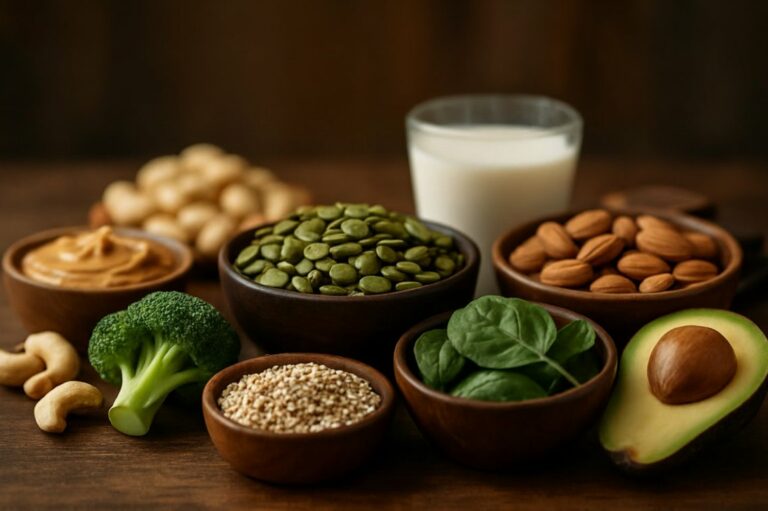
7 foods to improve joint strength in seniors
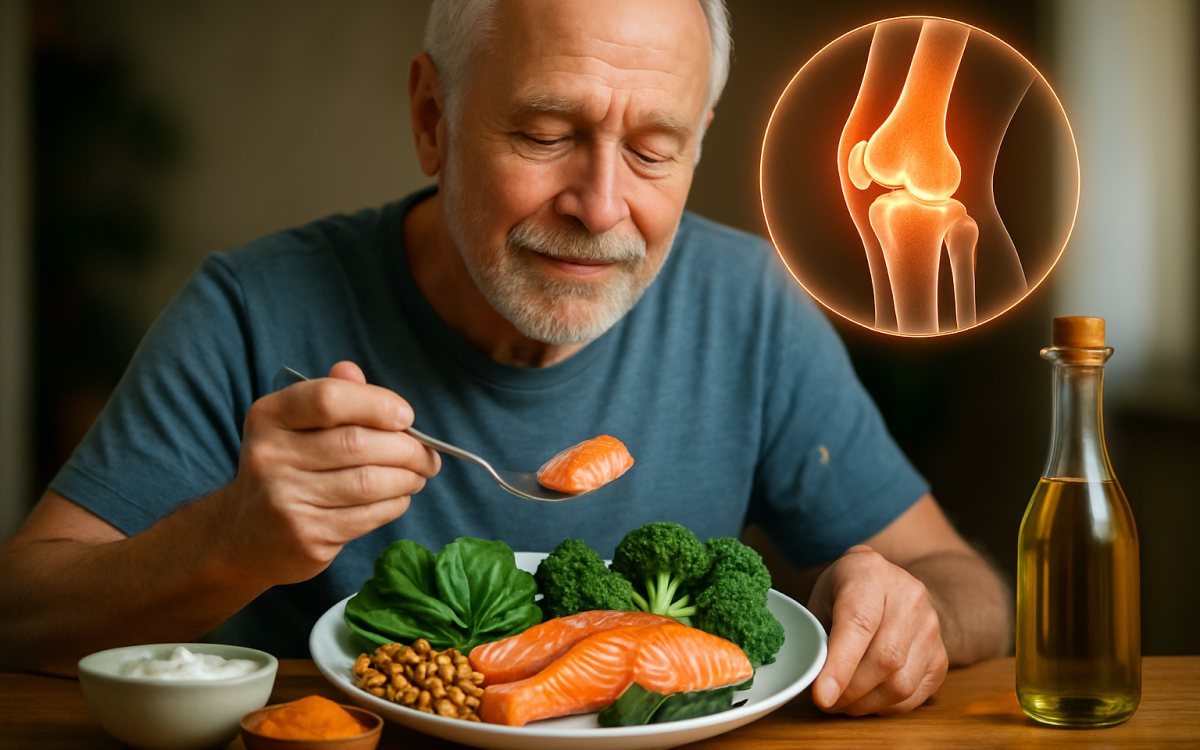
The joints weaken with age because of wear and tear of the cartilage and loss of muscle mass. That’s why seniors are often advised to exercise their joints regularly. Doing that strengthens the joints and the ligaments surrounding them, helping relieve pain and improving flexibility. However, exercise alone is not sufficient for joint strength and health. Seniors must also make a few nutritional changes, such as eating foods with joint-supportive nutrients.
Sweet peppers
Whether red, yellow, green, or orange, all sweet peppers are loaded with vitamin C. This vitamin boosts collagen production, which is necessary for strong, healthy bones. Collagen helps rebuild cartilage, increase bone density, and reduce stiffness. Besides supplying vitamin C, sweet peppers are known to balance gut microbiomes, thus reducing inflammation markers. This helps seniors who have rheumatoid arthritis, a common condition that causes joint inflammation.
There are many ways to enjoy sweet peppers. One option is to make a mixture of beans, brown rice, vegetables, and seasoning, then stuff this mixture into sweet peppers and bake them. If this seems too complicated, seniors can simply roast or sauté the peppers with garlic and enjoy them.
Broccoli
Cruciferous vegetables, such as broccoli, are excellent foods for supporting joint health in seniors. Broccoli contains a natural compound called sulforaphane that blocks the inflammatory process and slows down cartilage damage caused by osteoarthritis. The vegetable can be steamed, boiled, sautéed, roasted, or eaten raw with dips or salads.
Kale
This leafy green vegetable is rich in vitamin K, an essential nutrient for building and maintaining healthy bones. Vitamin K helps prevent the development of osteoporosis and regulates blood clotting. To enjoy the nutritional benefits of kale and make it delicious, seniors can add it to salads or soups, combine it with nuts, or make kale chips. Those who have more time and enjoy cooking can make kale burgers and smoothies or use kale as a burrito shell.
Cod liver oil
Seniors who want to ensure healthy joints through nutrition can consider cooking with cod liver oil. This oil is naturally rich in vitamin D, which helps the body absorb calcium. A single teaspoon can provide at least half of the daily vitamin D the body requires. Col liver oil is especially useful for protecting the body against bone loss and osteoporosis.
Chia seeds
These seeds have omega-3 fatty acids, antioxidants, and natural anti-inflammatory properties, all of which contribute to joint health and strength. Eating chia seeds regularly can help reduce joint inflammation and protect against arthritis. To enjoy the benefits of these seeds, seniors can prepare a refreshing drink. They can soak chia seeds in a cup of water and add some chopped fruit or squeeze in a lemon, lime, or orange to give the drink flavor.
Flaxseeds
They are small brown or yellow seeds that are commonly ground, milled, or pressed into oil. Flaxseeds are among the best whole-food sources of alpha-linolenic acid (ALA), an omega-3 fatty acid. ALA helps reduce pain and inflammation in seniors with arthritis. Flaxseeds also have fiber, magnesium, and other essential nutrients. Plus, they have a healthier omega-6-to-omega-3 balance than most plant seeds. Given that whole flaxseeds are hard to digest, ground flaxseed is recommended.
Cherries
This fruit has been linked to a lower risk of gout, a type of inflammatory arthritis that affects toe joints. Gout stems from a buildup of uric acid in the body, and cherries help lower uric acid concentrations. The fruit does this through its rich concentration of anthocyanins, the same compounds that give cherries their vibrant color. These polyphenolic compounds act at the cellular level to disrupt inflammatory pathways that trigger joint pain. Cherries can be eaten as is, blended into a smoothie, or added to a favorite dish.