7 herbs to grow at home for health benefits
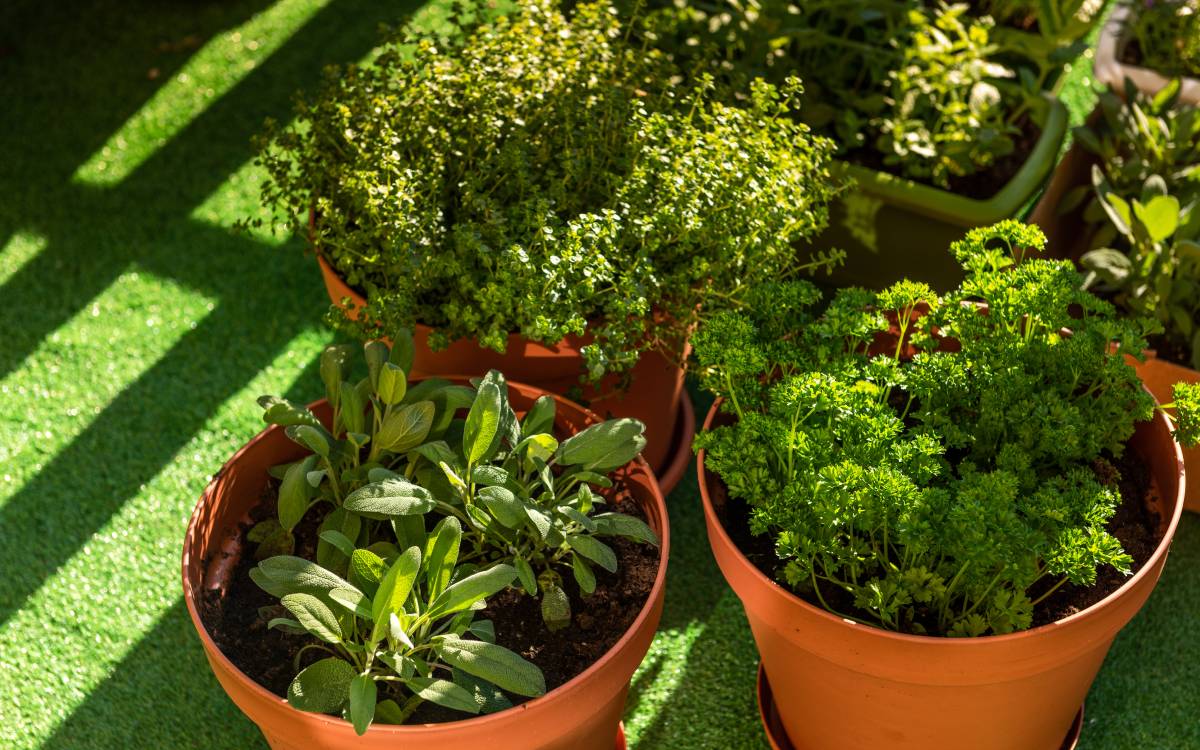
Herbs like peppermint, sage, and holy basil have various health benefits. For instance, they help ease stress, improve digestion, boost immunity, and soothe skin issues. One can reap the benefits of these herbs by brewing teas, chewing fresh leaves, applying topical pastes, or adding them to food. The best part is that they are easy to grow at home. This means lower costs, access to fresh produce, and a more beautiful, aromatic living space.
Peppermint
Peppermint is a good choice for someone searching for homegrown herbs for health. It grows in almost any soil, from rich loam to arid, and even withstands cold weather. That said, it spreads aggressively, so one should always plant this herb in a pot or container. As for its health benefits, peppermint can soothe an upset stomach, ease motion sickness and morning sickness, and cool the body. Its leaves can be used to make teas, tinctures, and ointments. Alternatively, one can add peppermint to steam inhalations to relieve sinus congestion.
Calendula
These bright yellow daisy-like flowers have healing properties for the skin. That’s why they are commonly used to make skincare products, such as ointments, body washes, and shampoos, for treating skin issues, such as wounds, skin issues, and diaper rash. The flowers are edible, so they can also be used to make teas and infusions. Calendula pairs well with herbs like peppermint for tea and can help reduce swollen glands. It’s easy to grow, thanks to its self-seeding flowers that drop seeds and germinate on their own.
Bee balm
Also called Bergamot or Monarda, bee balm has a ton of benefits. For instance, it has strong anti-microbial properties that help fight viruses, bacteria, and fungi. This makes it useful to treat many health issues, including coughs, stomach cramps, and irritated skin. Bee Balm is gentle, so it’s ideal for children.
Lemon balm
Like peppermint, lemon balm must be grown carefully in a pot, as it can spread fast. The herb has a gentle, pleasant taste, making it ideal for children. It can help bring down fevers, ease cold and flu symptoms, and support digestion, making it a valuable herb for wellness. It can also relieve stress, promote sleep, and soothe the nerves. To use lemon balm for relaxation, one can make a steam inhalation infusion by boiling its leaves in hot water.
Holy basil
Also called tulsi, holy basil is known for its relaxation properties. It helps regulate the body’s stress response while improving focus and mental clarity. The herb also has antibacterial compounds, which are useful for oral health. Holy basil can be grown in an outdoor garden or in a container inside the house. It requires ample sunlight and moist soil.
Echinacea
Echinacea is commonly used for boosting the immune system. It can help fight infections (both inside the body and outside on the skin). The herb is especially useful for soothing sore throats. For maximum benefits, it’s recommended to use echinacea in foods at the first sign of illness. One can use its roots, leaves, and flowers to brew tea, add it to soups and broths, or incorporate dried flowers or petals into salads as a garnish.
Sage
Sage is a versatile herb with excellent benefits for oral health. One can relieve cold sores, toothaches, and sore throats by chewing on its leaves or applying them to the affected area. Besides helping manage oral health issues, sage may help ease menopausal symptoms, support brain function, and naturally whiten teeth. It’s easy to grow and maintain in any indoor herb garden.
While herbs have health benefits, one should consult a licensed healthcare professional before using them. The expert can advise on how to use these herbs the right way so they work better without causing other problems.