7 ways to lower cholesterol naturally
Cholesterol performs many important roles in the body. For instance, it helps cells maintain their structure, aids in producing hormones, balances vitamin D levels, and supports digestion. That said, too much cholesterol can increase the risk of various health conditions, including heart disease. Fortunately, one can lower cholesterol levels naturally to a certain extent by making healthier lifestyle choices, such as eating the right foods and exercising.
Eat more plant-based foods
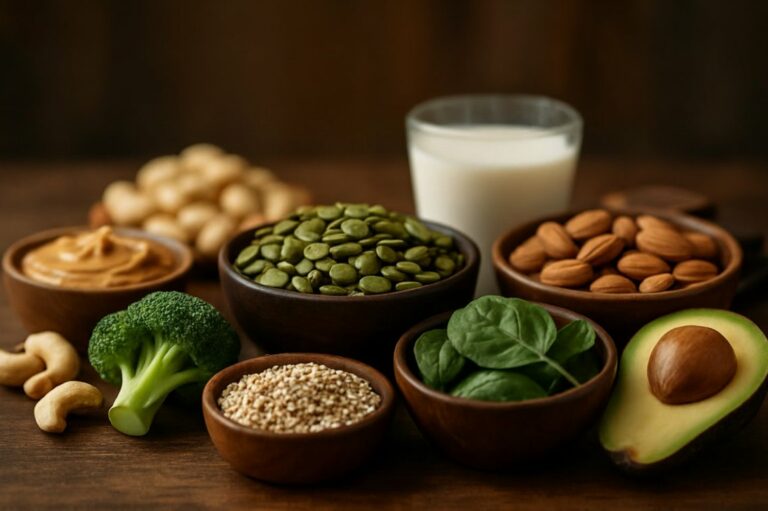
Plant-based foods, such as vegetables, fruits, beans, lentils, and whole grains, are packed with nutrients that help lower cholesterol levels naturally. They are also good sources of essential vitamins, minerals, and antioxidants that help reduce inflammation caused by high cholesterol.
There are many ways to incorporate plant-based foods into meals. For instance, one can prepare stir-fried vegetables and veggie-packed bowls or simply add beans and lentils to chili, tacos, and soups. Besides helping lower cholesterol, these plant-based foods add a dash of color to the plate, making meals feel more appetizing.
Choose healthy fats over saturated fats
Saturated and trans fats increase cholesterol in the body. On the other hand, unsaturated fats support better cholesterol balance. One way to include more unsaturated fats in meals is to cook with olive, avocado, sunflower seed, or canola oil instead of butter or shortening. Using nuts and seeds as toppings instead of heavy cream sauces is also effective.
Swapping unhealthy fats with healthier ones can help. Unsaturated fats from sources like nuts, fish, or canola oil handle moderate-heat cooking, such as grilling and baking, without breaking down into harmful compounds quickly. This also helps retain flavors better.
Increase soluble fibre intake
Soluble fiber blocks excess cholesterol absorption in the gut. Oats and oat bran are good fibre-enriched options for breakfast. Meanwhile, apples, pears, and berries make for easy snacks or toppings on desserts and salads. Beans, barley, and Brussels sprouts are other good sources of soluble fibre. Most of these ingredients add texture and taste to meals, making them more appetizing.
Choose heart-friendly foods
Fatty fish, such as tuna, salmon, trout, mackerel, and herring, are rich in omega-3 fatty acids that support heart health. Eating these foods regularly is a good way to lower cholesterol while keeping the heart healthy. Foods with plant sterols or stanols, such as fortified spreads, certain types of yogurt, and orange juice, also contain omega-3 fatty acids.
Avoid added sugars and refined carbs
Soft drinks, carbonated beverages, packaged juices, and store-bought desserts contain a lot of added sugars, which raise cholesterol and blood sugar levels. Similarly, white bread, white pasta, and white rice are high in refined carbs, which can spike bad cholesterol.
While these foods and beverages can be had in moderation, choosing more nourishing options is always better. This means drinking water or unsweetened drinks instead of sugary sodas and picking whole-wheat bread, brown rice, and old-fashioned oats over refined carbs.
Make exercise a habit
Exercises like walking, cycling, running, and swimming can help one stay energized and active while helping manage cholesterol levels. About 30 minutes of daily activity is often enough for cholesterol control when combined with other cholesterol reduction habits.
Prioritize sleep
Poor sleep can increase the risk of higher blood pressure and heart disease for someone with high cholesterol levels. A consistent sleep schedule and a calming evening routine can help improve sleep quality. One should also avoid heavy late-night meals and excessive screen time before going to bed.
While cholesterol management through lifestyle changes is quite effective, one should speak to a licensed healthcare professional before making changes to their nutrition plans and exercise routine.