Home | Health
13 tasty foods for a healthy heart
health

13 tasty foods for a healthy heart

Cardiovascular diseases are prevalent in our country. Statistics suggest that one in every five fatalities is associated with heart problems. Therefore, it is essential to adopt an active lifestyle and follow a meal plan that improves heart health. The foods listed below taste great by themselves, and you can also mix them with other ingredients to make them more palatable. But seek a nutritionist’s guidance to avoid the aggravation of underlying health conditions. Oatmeal Most people consider oatmeal a breakfast food, but it is more than just that. Oatmeal can be had any time of the day, especially in the form of granola bars, whenever hunger pangs are bothering. It is rich in soluble fiber, which causes the liver to produce more bile. Bile, in turn, helps lower LDL cholesterol. So a bowl of oatmeal mixed with your favorite foods can be a great step toward a healthy heart. Black bean salsa When the cravings are for something delicious yet healthy, have some black bean salsa. It is packed with soluble fiber that brings down bad cholesterol levels to a healthy range. Add some veggies, corn, and mango for a splash of color and to get all the essential nutrients and vitamins.
Read More
10 foods to a brighter glowing skin
health

10 foods to a brighter glowing skin

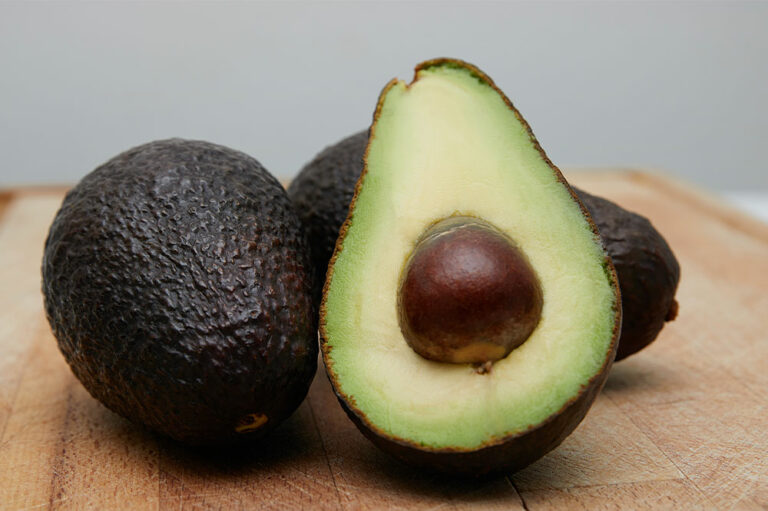
Skin care these days has become synonymous with splurging on masks, serums, creams, and massagers. As beneficial as these enriched solutions are, they cannot do it all. One of the main reasons for dull, lifeless skin is improper nourishment. It has long been known that the skin and hair reflect the kind of nourishment our body receives. Read this article to learn more about healthy and nourishing foods for nourished skin: Avocados If we had to pick just one food to maintain healthy glowing skin among the numerous options available, avocado would be it. Its rich and creamy texture provides versatility that helps incorporate the fruit into various recipes. Avocados carry a trusting balance of healthy fats, essential nutrients, and taste. It is truly a superfood that significantly assists in maintaining the skin’s firm and fresh look. Its fatty acid content makes it a natural moisturizer and keeps the skin dewy looking through all seasons. Berries Antioxidants have a bigger picture to paint when it comes to health than we generally give them credit for. The ability of these compounds to help maintain physical, mental, and emotional well-being is unmatched. So is their ability to keep the skin glowing, fresh, and free of blemishes.
Read More
6 foods that help fight prostate cancer
health

6 foods that help fight prostate cancer

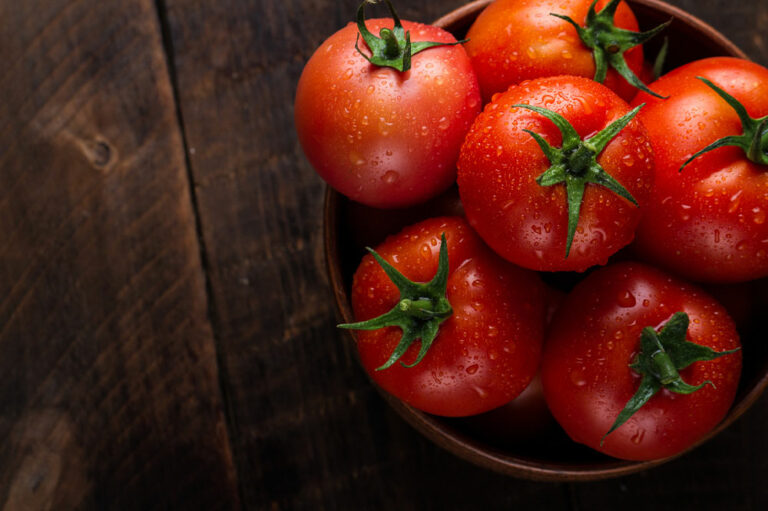
Diagnosing and treating cancer can be a draining process. It becomes imperative for patients and their caretakers to ensure that patient is eating the right food. This provides the body with the necessary energy to fight the symptoms. It also helps the body to recover from the damage caused by the condition and treatment options employed to keep cancer under control. Therefore, the inclusion of foods with anticancerous properties becomes non-negotiable. Tomatoes Lycopene is an essential component that helps fight prostate cancer. This compound is found in abundant quantities in tomatoes. Aside from prostate cancer, lycopene also helps manage and prevent cancers of the lungs and stomach. Including meals rich in vegetable and fruit content as a staple can help combat numerous health concerns. Other foods that carry high amounts of lycopene include guava, papaya, and watermelon. Pectic has also been proven to decrease the number of cancer cells in the body by 40%. However, it should be noted that the compounds are more effective if taken in their natural form. Fiber-rich foods Studies in the past have suggested that Asian men are less prone to developing prostate cancer than Caucasian men. This difference can be attributed to the presence or lack of fiber in one’s meals.
Read More
8 signs and symptoms of hemophilia
health

8 signs and symptoms of hemophilia

Hemophilia is a genetic disorder where the patient’s blood does not clot properly. Our blood has natural proteins or clotting factors that facilitate clotting. But people with this condition have lower levels of these factors. There are two types of this disorder. Type A is caused due to the lack of clotting factor VIII, and type B is caused due to lower levels of factor IX. Here are the must-know signs of hemophilia: Nosebleeds and bleeding from the gums Most people with a mild form of this condition are prone to bruising of mucous membranes in the nose or gums. As a result, they report regular instances of nosebleeds and gum bleeding without any apparent reason. While the bleeding does not last long for some, others have severe episodes and require the attention of a health expert. Profuse bleeding after a surgery or an injury Many people with hemophilia A do not know they have the condition. The problem often comes to light accidentally when one bleeds excessively during surgery for another ailment. Similarly, when such individuals are injured, they notice unusual bleeding and realize they have a genetic bleeding disorder only after undergoing tests. Both surgery and injuries can cause out-of-proportion bleeding.
Read More
8 natural scents that repel mosquitos
health

8 natural scents that repel mosquitos

Mosquitos can be pretty annoying, but more than that, they can also be harmful as they are the carriers of disease-causing germs. The insect is attracted to various scents like skin odor, scented soaps, and more. Carbon dioxide emitted by human beings, along with other typical body fragrances, can be a great pull for mosquitos. So, which are the scents that repel them? Here are eight of them that can keep mosquitos at bay: 8 natural mosquito repellents Lemon eucalyptus oil or OLE A study conducted in 2014 proved that 32% of OLE can provide effective protection (up to 95%) from mosquitos for up to three hours. The plant-based natural oil has been in use ever since the 1940s as a mosquito repellent. This natural oil is approved by the Centers for Disease Control (CDC) too. It is possible to make this repellent at home. All you need is a mixture in the ratio of 1:10 of lemon eucalyptus oil to sunflower oil. Precaution: Take care not to use the pure version or OLE essential oils. Also, it is better not to use the concoction on a three-year-old or kids aged less than this. Citronella Citronella is probably one of the most effective natural oils to keep mosquitos at bay.
Read More
7 effective ways to manage bleeding disorders
health

7 effective ways to manage bleeding disorders

Bleeding disorders entail the body’s inability to clot blood as part of a biological process called hemostasis. In most cases, the person with the disorder bleeds spontaneously, without any known reason. At other times, there could be prolonged bleeding after surgery, a trauma, injury, or during menstruation. Besides treatment that the doctor suggests, there are ways to take care to prevent bleeding. These are the five ways to prevent the disorder effectively: Subcutaneous injection instead of intramuscular vaccination and immunization shots In general, immunizations and vaccinations are given into a muscle or intramuscularly. In this case, whether it is an adult or a child who needs to take the vaccine, the nurse and the doctor should be aware that the person has a clotting-related disorder. In such cases, nurses take precautions to apply the vaccine under the skin or subcutaneously. Also, the typical needle is never used. Instead, a smaller needle is used for vaccination. Once the injection has been applied, ice is applied to the spot with pressure for 5 – 10 minutes to prevent bleeding. Children with a bleeding disorder should take necessary precautions If a child suffers from hemophilia type A, they must wear a helmet while riding a bicycle to prevent head injuries in case of an accident.
Read More
3 useful tips to help manage breast cancer
health

3 useful tips to help manage breast cancer

Like most cancers, the precise cause of breast cancer is unknown. Sadly, there is no definite cure for the disease at its advanced stage, nor can it be prevented. Yet, it is one of the most common cancers affecting over 260,000 women every year. Even though men also develop breast cancer, they make up only 1% of the total number of cases each year. Here are three useful tips for managing breast cancer: Start treatment without any delay There is no concrete biological answer for why an individual would develop breast cancer. Nor are there any definite symptoms to be cautious of beforehand and adopt the required preventive measures. A combination of genetic and environmental causes come into play to contribute to such a condition. The Centers for Disease Control and Prevention (CDC) recognize the following as the primary symptoms of breast cancer: Swelling in the breast or armpit A thickening or bulging of the breast Development of dimples in the breast or skin irritation Reddish or flaky skin around the nipple area Other discharges from the nipple apart from breast milk However, it is crucial to note that all these symptoms do not necessarily imply the presence of a malignancy.
Read More
6 key health benefits of probiotics
Diets & Meal Plans

6 key health benefits of probiotics

Probiotics constitute a significant component of a healthy nutritional regime. Hundreds of brands sell probiotics in the market, and several blogs and websites exist exclusively to count probiotics’ never-ending benefits. But do we understand the actual mechanism through which probiotics work? For that, we need to be clear about the definition of probiotics. We need to know what and how they function. Read this article to learn the definition and some key benefits of probiotics: What are probiotics? Your body contains within itself both good and bad bacteria. Probiotics are the good bacteria. When an infection affects your body, the number of harmful bacteria exceeds the number of beneficial bacteria in your body. To destroy these harmful bacteria and restore the balance in your body, you need to get good bacteria from external sources. These external sources include probiotic supplements or fermented foods. Some typical probiotic foods are probiotic yogurt, kefir, sauerkraut, kimchi, tempeh, and many more, while supplements include refrigerated capsules, shelf-stable capsules, liquid beverages, and powders. Key benefits of probiotics Probiotics are good bacteria and have several benefits, and several scientific studies back these benefits. Here is a list of the 6 most popular probiotics benefits you should know of:
Read More
Showing 97-104 of 330 results

Prev. 1112131415 Next

Popular Articles

5 tips to prevent and manage ulcerative colitis

5 tips to prevent and manage ulcerative colitis

Ulcerative colitis is a long-term inflammatory disease that triggers inflammation and ulcers in the digestive system. It impacts the colon and rectum’s innermost lining. The symptoms are typically produced over a period rather than unexpectedly. According to the latest studies, about 1 million people have ulcerative colitis, and if left untreated, it can be crippling and cause life-threatening conditions. So, here are 5 tips to prevent and manage ulcerative colitis: Get on with the treatment plan immediately Even though there is no concrete cure for ulcerative colitis, proper treatment can help ease the symptoms and signs of the condition and eventually provide long-term remission. If a patient feels that their bowel habits are consistently changing or if they experience any of the following symptoms and signs, they should immediately consult a doctor: Blood in stool Ongoing diarrhea that is not getting cured by any other types of treatments An unknown fever going on for more than a day or two Abdominal pain Diarrhea that wakes up the patient from sleep The treatments prescribed by the doctor will typically include a combination of oral therapy or surgery. As far as oral treatments are concerned, the doctor may prescribe any of the following types of therapies, depending on the patient’s existing condition:
Read More
3 common types of soaps that trigger eczema flareups

3 common types of soaps that trigger eczema flareups

Atopic dermatitis or eczema is a skin disease that makes the skin reddish, inflamed, and itchy because of specific triggers. It can affect any body part and appear anywhere on the skin. The most common symptoms are dryness, bumps, rashes, redness, and peeling of the skin. Despite being one of the most typical forms of atopic dermatitis, there is no such common definite cause; however, particular triggers cause eczema flareups, including specific kinds of soaps. Soaps and eczema flareups When eczema triggers, most of the time, it makes its appearance in certain typical parts of the body. These include behind the knee areas, hands, and feet. Some of the most common triggers of eczema flareups include household cleaners containing specific chemicals, and, most notably, soaps. However, the experience of eczema won’t be the same for everyone. One of the most typical symptoms is dry skin, where the soap’s role becomes significant. It is a pretty well-known fact that using soaps makes one’s skin dry. This happens because of specific harsh chemicals that swipe off moisture from one’s skin. These chemicals can also trigger severe irritation and reactions, specifically if the skin is too sensitive or if one is suffering from eczema.
Read More
3 effective ways to manage multiple myeloma

3 effective ways to manage multiple myeloma

Multiple myeloma is a type of cancer that affects the plasma cells in the bone marrow. Here, cancerous cells begin accumulating in the bone marrow and outnumber the healthy cells. This leads to huge amounts of unwanted proteins rather than helpful antibodies. About 34,000 adults in the country are estimated to be affected by this condition in 2022. However, the disease can be managed through the following treatment options, foods, and lifestyle changes: Treatment options Multiple myeloma does not have a permanent cure, but the disease and its symptoms can be managed with the right treatment. Doctors may recommend immunotherapy to treat this blood-related condition. Immunotherapy This is a treatment method that empowers the patient’s immune system to fight cancerous cells. It is a biological therapy where certain substances derived from living beings are used for the treatment. Here are a few options: CAR T-cell therapy: This is a form of immunotherapy prescribed for multiple myeloma patients. This works on the T-cells (a white blood cell type), stimulating them to fight cancerous growth. The therapy involves drawing blood from the patient and adding chimeric antigen receptors (or CARs) to the blood, helping the T-cells target certain cancerous cell antigens. The CAR T-cells are then infused into the blood of the patient.
Read More
4 essential vitamins for optimum eye health

4 essential vitamins for optimum eye health

The eyes are complex organs and need a variety of nutrients to function optimally. Many common health conditions like glaucoma, cataracts, age-related macular degeneration, diabetic retinopathy, and others can negatively affect our eyes, which may lead up to a complete loss of vision. While some conditions like moderate astigmatism can be corrected using contact lenses or eye lenses, others can be prevented by consuming a healthy dose of these 4 vitamins: Vitamin A Vitamin A deficiency is one of the most common causes of blindness globally. Vitamin A plays a crucial role in maintaining a clear cornea (outside the covering of the eye). A person with this vitamin deficiency may find their eyes not producing enough moisture to stay lubricated. It is also essential for maintaining the eyes’ light-sensing cells called photoreceptors. A deficiency of vitamin A can also lead to xerophthalmia, a progressive eye disease that begins with night blindness. Continued deficiency can lead to the drying up of the eyes and tear ducts, and softening of the cornea, resulting in irreversible blindness. To maintain eye health, it is recommended to eat vitamin-A-rich foods, like sweet potatoes, leafy greens, pumpkins, squash, bell peppers, carrots, dairy products, egg yolks, and liver.
Read More

Trending Articles

7 foods that help fight against Bronchitis

7 foods that help fight against Bronchitis

When you have bronchitis, it’s easy to overeat greasy, salty, or sugary foods to relieve the coughing, breathing, and throat pain. Alternatively, you may decide not to consume anything at all. However, you should take care and watch what you eat as refined carbs and saturated fats might impede recovery. Knowing which foods to avoid and which to eat may influence the severity of bronchitis symptoms. Here’s a list of a few items you should avoid. Foods with preservatives and additives Sulfites, a form of preservative, may aggravate bronchitis. Liquor, dried fruits, pickled foods, maraschino cherries, and lime juice all contain sulfites. Processed and quick meals frequently contain chemical additives, flavors, and colorings. Some bronchitis patients may be susceptible to or intolerant to these artificial components. Gas-forming foods Eating large meals or gas-producing foods strains the diaphragm, especially if you suffer from acid reflux. This can cause chest pains and asthma flare-ups. Beans, cabbage, carbonated beverages, onions, and fried dishes are examples of these foods. Sugar and HFCS Do you enjoy drinking sugar-laden colas? Be cautious. They can be dangerous to your health. Avoiding syrups, candies, and other sugary foods will help to relieve symptoms such as coughing, irritation, and discomfort in your lungs.
Read More
7 foods to avoid for a Crohns flare-up

7 foods to avoid for a Crohns flare-up

Crohns disease is an inflammatory condition of the gastrointestinal tract that mainly occurs in the colon and the small intestine and can affect any part of the GI tract. It causes sudden and painful symptoms such as diarrhea, fever, cramps, bloody stool, and fatigue. While food doesn’t cause Crohns, it can perhaps worsen the disease by leading to flare-ups. Here are some foods one needs to avoid if they are experiencing discomfort due to Crohns. Grains Grains contain a lot of fiber, which can worsen the symptoms of Crohns. This is because a high amount of fiber can make your intestines work harder. This makes the normal digestive process difficult, leading to abdominal pain, cramps, and even bloating. Avoid eating whole wheat bread or pasta, rye products, and barley to prevent these painful symptoms. Spicy foods Regarding the worst foods for Crohns flare-ups, spicy foods rank among the top. Most foods with spices are rich in capsaicin, which causes a burning feeling inside your mouth and stomach. These include chili, paprika, pepper, nutmeg, clove, and mustard. Capsaicin increases the level of acids in your stomach and may worsen symptoms, such as stomach cramps, diarrhea, and acidity. Fibrous fruits and vegetables Like grains, fibrous fruits and vegetables don’t get digested easily, and can cause constipation and cramps – typical symptoms of Crohns flare-ups.
Read More
Ignore these 8 foods when diagnosed with hyperkalemia

Ignore these 8 foods when diagnosed with hyperkalemia

Potassium is an essential nutrient that allows your body to function optimally. A meal plan rich in potassium allows proper nerve function and regulates your heartbeat. However, certain conditions such as kidney diseases and consuming food rich in potassium excessively may increase its levels in your bloodstream leading to a condition known as hyperkalemia . Let’s look at foods you should limit to keep your potassium within normal levels. Bananas The first food that comes to mind when people think of potassium sources is bananas. One medium-sized banana contains almost 422 mg of potassium. Though it would take a lot of bananas to cause an overdose of potassium, if you are also eating other foods rich in potassium, it will lead to excessive potassium levels in your blood, which in turn, will trigger hyperkalemia . Tomato Sauce and Paste Raw tomatoes contain a decent amount of potassium. One medium tomato has about 292 mg of potassium. Concentrated forms of tomatoes, such as sauces, salsa, paste, puree, etc., contain even higher amounts of potassium. For instance, a small cup of tomato sauce contains almost 728 mg potassium. So, it is advised to skip tomato sauce and opt for alternatives such as basil or roasted red peppers.
Read More
  • About Us
  • Contact Us
  • Privacy Policy
  • Advertiser Information
  • Terms of Service

© 2025 HerbHealWellness.com. All Rights Reserved.

e