Home | Health
Common foods that can cause and reduce water retention
health

Common foods that can cause and reduce water retention

Water retention is a common issue characterized by the excessive accumulation of fluid in the body’s tissues. This can lead to swelling, discomfort, puffy face, swollen eyelids, and bloating. Various factors can cause water retention, including hormonal changes, ongoing treatments, and certain medical conditions; however, food also plays a significant role. So, here are a few common foods that can cause water retention and those that help manage the issue: Foods that cause water retention Salty snacks One of the most significant contributors to water retention is the intake of high-sodium or salty foods. Sodium is an essential mineral that helps maintain fluid balance in the body. However, an excess of sodium can increase water retention. This is because the body retains water to dilute the excess sodium, leading to swelling and bloating. So, salty snacks like potato chips, nachos, burgers, pizzas, pickles, and instant noodles are notorious for their high sodium content and should be limited to reduce fluid retention. Caffeine Caffeine, usually found in coffee and some energy drinks, acts as a diuretic, causing an increase in urine production. This disrupts the balance of fluids within the body and leads to swelling. So, one should avoid or limit the intake of caffeinated beverages when experiencing fluid retention.
Read More

14 silent signs of leukemia to note
health

14 silent signs of leukemia to note

Leukemia is a type of cancer that affects one’s blood cells, bone marrow and lymphatic system. The condition is commonly affects children below the age of 15 and older adults above the age of 55. While leukemia is a complex condition and there’s no cure for the same, timely intervention and certain strategies can help ease the symptoms and help in its effective management. Here are some silent signs and symptoms and available treatments for leukemia. Silent signs of leukemia Here are some of the silent signs of leukemia that should prompt one to seek professional help immediately: Petechiae Petechiae are small reddish spots that appear on the skin and are often a silent sign of leukemia. These spots are the result of bleeding under the skin’s surface. In leukemia, the bone marrow produces abnormal white blood cells, which can interfere with normal blood clotting. This can lead to the development of petechiae, as the tiny blood vessels under the skin become more fragile and can break more easily. These spots can appear on various parts of the body, such as the arms and legs, and may be painless. Fatigue and weakness Individuals with leukemia may experience persistent fatigue and weakness, even after a full night’s sleep of about 7 to 8 hours.
Read More
Top 16 foods for managing acid reflux
health

Top 16 foods for managing acid reflux

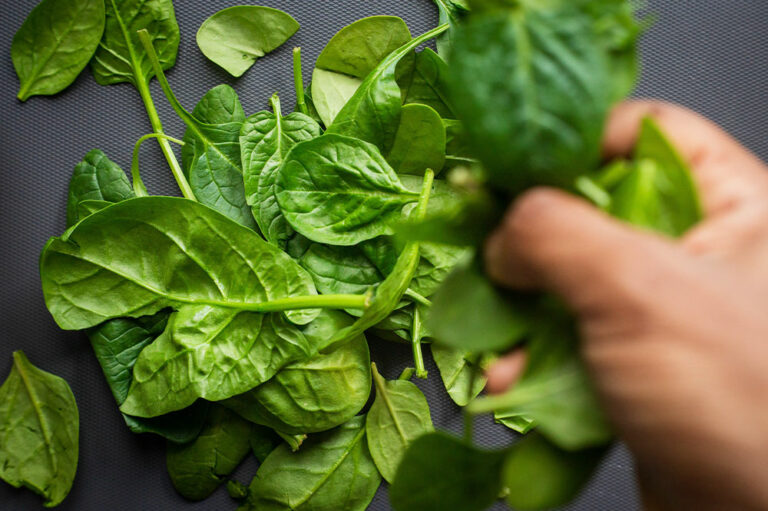
Acid reflux is a digestive issue involving irritation in the lining of the esophagus due to acid or bile backing up into the region. It can be the primary symptom of a condition called gastroesophageal reflux disease (GERD), the prevalence of which is estimated to be from 18.1 to 27.8% in the country. In most cases, certain lifestyle changes, including better food choices, can help prevent and manage acid reflux. Best foods for managing acid reflux 1. Ginger Packed with antioxidants, ginger is an age-old remedy for digestive problems, including nausea and vomiting. Gingerol, an element found in ginger, can help in the passage of food through the stomach. So, a cup of warm ginger tea or the addition of ginger to stir-fries, gravies, and other recipes is an excellent way to help manage symptoms of acid reflux and soothe the stomach lining. 2. Lean protein The body requires protein to boost immunity and help reduce acid reflux symptoms. Lean protein sources like fish, turkey, and chicken help regulate the production of stomach acid and manage acid reflux while not being too heavy on the stomach. 3. Spinach This leafy green vegetable is a natural remedy for acidity. Spinach is also low in sugar and fat and rich in fiber, helping control stomach acid production.
Read More
15 foods that may help relieve mucus buildup
health

15 foods that may help relieve mucus buildup

Mucus production is a healthy part of one’s respiratory system. This mucus lining in the mouth, nose, sinus, throat, and lungs is responsible for trapping dust, allergens, and viruses. However, during an infection or an allergy, phlegm or mucus can cause irritation and discomfort. People often use home remedies such as humidifiers, steam, and gargling to relieve mucus. To aid this process and alleviate symptoms, the following foods may also help: Ginger Ginger plays an important role in the cuisine of several cultures across the world. Due to its antihistamine content, ginger has powerful anti-inflammatory properties, often acting as a natural decongestant. It can help relieve mucus and reduce infections of the upper respiratory tract. For best results, try fresh ginger root. Boil it in some water to make ginger tea, or slice or grate it into smoothies or juices for an additional flavor and immunity boost. Cayenne pepper Cayenne pepper (and other spicy peppers) are a rich source of capsaicin. This can help reduce cough and mucus buildup in the body. To consume it, simply add one pinch of cayenne pepper to soup or broth. However, those experiencing acid reflux or other digestive ailments must avoid spicy foods as they may worsen inflammation.
Read More
8 Effective Ways to Maintain Healthy Eyes
health

8 Effective Ways to Maintain Healthy Eyes

Eye health is as important as any other functioning organ in the body. However, with the current lifestyle of people that involves prolonged exposure to different gadgets, taking care of the eyes has become more crucial. Also, some diseases can impair vision and cause vision-related problems. To prevent any unforeseen situations, here are some effective ways one can follow to maintain optimal eye health and ensure a lifetime of clear and comfortable vision. 1. Protecting eye from sun rays Extended exposure to harsh sunlight and its ultraviolet (UV) rays elevates the risk of eye conditions such as cataracts. Therefore, it is crucial for one to protect their eyes from harsh sunlight when stepping out. One can either wear sunglasses or UV-blocking contact lenses. Sunglasses are often regarded as a fashion accessory, but their significance extends beyond that. They serve as a crucial shield, safeguarding the eyes from the detrimental impact of the sun’s UV rays. Sunglasses with polarized lenses offer an excellent choice for those seeking enhanced glare reduction. Alternatively, individuals requiring vision correction can explore the option of UV-blocking contact lenses designed to shield their eyes from harmful UV rays. 2. Taking breaks from screen time Staring at the screen for long periods, whether on a phone or a computer, can adversely affect the eyes, leading to dryness and strain.
Read More
12 everyday foods to relieve a stuffy nose
health

12 everyday foods to relieve a stuffy nose

A stuffy nose or nasal congestion is generally caused by inflamed blood vessels or mucus in the sinuses because of allergies, colds, or flu. It affects normal breathing, leads to appetite loss, and makes it difficult to perform routine activities. While a stuffy nose typically goes away in a couple of days, one may require some home remedies to manage the discomfort. Here are certain foods to have that give relief from a stuffy nose. Chicken soup Packed with nutrients and flavors, chicken soup is good for getting relief from discomfort caused by a stuffy nose. It contains lots of vitamins, minerals, calories, and protein, that are required by the body while recovering from an illness. Also, the chicken in the soup is a good source of amino acid cysteine, which has antiviral and anti-inflammatory properties. It breaks down the mucus in the nasal passage opening up the sinuses. Moreover, chicken soup is enriched with electrolytes, which keeps the body hydrated, quickening the process of recovery. Broths Similar to chicken soup, broths are also effective in relieving a stuffy nose. They are good sources of electrolytes and fluids that can help in soothing the inflamed nasal membranes. Drinking warm broth made from either vegetables or meat is often recommended to alleviate the discomfort caused by a stuffy nose.
Read More
9 uncommon signs of lung cancer
health

9 uncommon signs of lung cancer

The common signs of lung cancer are well known. Some of them include cough, fatigue, breathlessness, and chest pain. However, there are many symptoms of lung cancer that are not as well-known or documented in a host of content on the internet. Like other malignancies, detecting lung cancer in its early stages increases the chances of a successful treatment. Therefore, here are some of the uncommon signs of lung cancer that one should be aware of: 1. Clubbed fingers Arguably, the strangest of all lung cancer symptoms is the phenomenon called finger clubbing. In this symptom, the fingertips of an individual with lung cancer become fatter than usual. The fingers also tend to appear rounder, and the fingernails begin to appear more and more bent with time. This clubbing mainly happens because the tumor in the lung secretes a chemical that directs more fluid and blood to a person’s finger tissue. Healthcare research studies have found that about 8 out of every 10 cases of finger clubbing happen to people with lung cancer. 2. Puffiness in the face, arms, and neck In many instances, lung cancer tumors can often obstruct the superior vena cava, a significant vein that carries blood from the head and arms to the heart.
Read More
11 uncommon signs of blood cancer to watch out for
health

11 uncommon signs of blood cancer to watch out for

Blood cancer is a group of diseases that affect the production and function of blood cells in the body. The three primary types of blood cancer are leukemia, lymphoma, and multiple myeloma. While many people are familiar with common symptoms of blood cancer, like frequent infections and unexplained loss of body mass, some uncommon signs can also be indicative of blood cancer. Let’s look at some signs that should prompt one to seek immediate medical help. What is blood cancer? There are three types of blood cells: red (RBCs), which carry oxygen to the body; white (WBCs), which fight off infections; and platelets, which help with blood clotting post injury. Any abnormal and excess production of these cells that affects their normal functioning is blood cancer. Leukemia often involves abnormal production of blood cells in the bone marrow, resulting in a low platelet count. Lymphoma affects the lymphatic system, which includes lymph nodes, spleen, and other lymphoid tissues. Multiple myeloma, on the other hand, affects a type of white blood cell called plasma, which is responsible for producing antibodies. Each cancer type is classified further based on several factors, including the part of the body where the cancer originates and the specific blood cells affected.
Read More
Showing 313-320 of 330 results

Prev. 3839404142 Next

Popular Articles

5 tips to prevent and manage ulcerative colitis

5 tips to prevent and manage ulcerative colitis

Ulcerative colitis is a long-term inflammatory disease that triggers inflammation and ulcers in the digestive system. It impacts the colon and rectum’s innermost lining. The symptoms are typically produced over a period rather than unexpectedly. According to the latest studies, about 1 million people have ulcerative colitis, and if left untreated, it can be crippling and cause life-threatening conditions. So, here are 5 tips to prevent and manage ulcerative colitis: Get on with the treatment plan immediately Even though there is no concrete cure for ulcerative colitis, proper treatment can help ease the symptoms and signs of the condition and eventually provide long-term remission. If a patient feels that their bowel habits are consistently changing or if they experience any of the following symptoms and signs, they should immediately consult a doctor: Blood in stool Ongoing diarrhea that is not getting cured by any other types of treatments An unknown fever going on for more than a day or two Abdominal pain Diarrhea that wakes up the patient from sleep The treatments prescribed by the doctor will typically include a combination of oral therapy or surgery. As far as oral treatments are concerned, the doctor may prescribe any of the following types of therapies, depending on the patient’s existing condition:
Read More
3 common types of soaps that trigger eczema flareups

3 common types of soaps that trigger eczema flareups

Atopic dermatitis or eczema is a skin disease that makes the skin reddish, inflamed, and itchy because of specific triggers. It can affect any body part and appear anywhere on the skin. The most common symptoms are dryness, bumps, rashes, redness, and peeling of the skin. Despite being one of the most typical forms of atopic dermatitis, there is no such common definite cause; however, particular triggers cause eczema flareups, including specific kinds of soaps. Soaps and eczema flareups When eczema triggers, most of the time, it makes its appearance in certain typical parts of the body. These include behind the knee areas, hands, and feet. Some of the most common triggers of eczema flareups include household cleaners containing specific chemicals, and, most notably, soaps. However, the experience of eczema won’t be the same for everyone. One of the most typical symptoms is dry skin, where the soap’s role becomes significant. It is a pretty well-known fact that using soaps makes one’s skin dry. This happens because of specific harsh chemicals that swipe off moisture from one’s skin. These chemicals can also trigger severe irritation and reactions, specifically if the skin is too sensitive or if one is suffering from eczema.
Read More
3 effective ways to manage multiple myeloma

3 effective ways to manage multiple myeloma

Multiple myeloma is a type of cancer that affects the plasma cells in the bone marrow. Here, cancerous cells begin accumulating in the bone marrow and outnumber the healthy cells. This leads to huge amounts of unwanted proteins rather than helpful antibodies. About 34,000 adults in the country are estimated to be affected by this condition in 2022. However, the disease can be managed through the following treatment options, foods, and lifestyle changes: Treatment options Multiple myeloma does not have a permanent cure, but the disease and its symptoms can be managed with the right treatment. Doctors may recommend immunotherapy to treat this blood-related condition. Immunotherapy This is a treatment method that empowers the patient’s immune system to fight cancerous cells. It is a biological therapy where certain substances derived from living beings are used for the treatment. Here are a few options: CAR T-cell therapy: This is a form of immunotherapy prescribed for multiple myeloma patients. This works on the T-cells (a white blood cell type), stimulating them to fight cancerous growth. The therapy involves drawing blood from the patient and adding chimeric antigen receptors (or CARs) to the blood, helping the T-cells target certain cancerous cell antigens. The CAR T-cells are then infused into the blood of the patient.
Read More
4 essential vitamins for optimum eye health

4 essential vitamins for optimum eye health

The eyes are complex organs and need a variety of nutrients to function optimally. Many common health conditions like glaucoma, cataracts, age-related macular degeneration, diabetic retinopathy, and others can negatively affect our eyes, which may lead up to a complete loss of vision. While some conditions like moderate astigmatism can be corrected using contact lenses or eye lenses, others can be prevented by consuming a healthy dose of these 4 vitamins: Vitamin A Vitamin A deficiency is one of the most common causes of blindness globally. Vitamin A plays a crucial role in maintaining a clear cornea (outside the covering of the eye). A person with this vitamin deficiency may find their eyes not producing enough moisture to stay lubricated. It is also essential for maintaining the eyes’ light-sensing cells called photoreceptors. A deficiency of vitamin A can also lead to xerophthalmia, a progressive eye disease that begins with night blindness. Continued deficiency can lead to the drying up of the eyes and tear ducts, and softening of the cornea, resulting in irreversible blindness. To maintain eye health, it is recommended to eat vitamin-A-rich foods, like sweet potatoes, leafy greens, pumpkins, squash, bell peppers, carrots, dairy products, egg yolks, and liver.
Read More

Trending Articles

7 foods that help fight against Bronchitis

7 foods that help fight against Bronchitis

When you have bronchitis, it’s easy to overeat greasy, salty, or sugary foods to relieve the coughing, breathing, and throat pain. Alternatively, you may decide not to consume anything at all. However, you should take care and watch what you eat as refined carbs and saturated fats might impede recovery. Knowing which foods to avoid and which to eat may influence the severity of bronchitis symptoms. Here’s a list of a few items you should avoid. Foods with preservatives and additives Sulfites, a form of preservative, may aggravate bronchitis. Liquor, dried fruits, pickled foods, maraschino cherries, and lime juice all contain sulfites. Processed and quick meals frequently contain chemical additives, flavors, and colorings. Some bronchitis patients may be susceptible to or intolerant to these artificial components. Gas-forming foods Eating large meals or gas-producing foods strains the diaphragm, especially if you suffer from acid reflux. This can cause chest pains and asthma flare-ups. Beans, cabbage, carbonated beverages, onions, and fried dishes are examples of these foods. Sugar and HFCS Do you enjoy drinking sugar-laden colas? Be cautious. They can be dangerous to your health. Avoiding syrups, candies, and other sugary foods will help to relieve symptoms such as coughing, irritation, and discomfort in your lungs.
Read More
7 foods to avoid for a Crohns flare-up

7 foods to avoid for a Crohns flare-up

Crohns disease is an inflammatory condition of the gastrointestinal tract that mainly occurs in the colon and the small intestine and can affect any part of the GI tract. It causes sudden and painful symptoms such as diarrhea, fever, cramps, bloody stool, and fatigue. While food doesn’t cause Crohns, it can perhaps worsen the disease by leading to flare-ups. Here are some foods one needs to avoid if they are experiencing discomfort due to Crohns. Grains Grains contain a lot of fiber, which can worsen the symptoms of Crohns. This is because a high amount of fiber can make your intestines work harder. This makes the normal digestive process difficult, leading to abdominal pain, cramps, and even bloating. Avoid eating whole wheat bread or pasta, rye products, and barley to prevent these painful symptoms. Spicy foods Regarding the worst foods for Crohns flare-ups, spicy foods rank among the top. Most foods with spices are rich in capsaicin, which causes a burning feeling inside your mouth and stomach. These include chili, paprika, pepper, nutmeg, clove, and mustard. Capsaicin increases the level of acids in your stomach and may worsen symptoms, such as stomach cramps, diarrhea, and acidity. Fibrous fruits and vegetables Like grains, fibrous fruits and vegetables don’t get digested easily, and can cause constipation and cramps – typical symptoms of Crohns flare-ups.
Read More
Ignore these 8 foods when diagnosed with hyperkalemia

Ignore these 8 foods when diagnosed with hyperkalemia

Potassium is an essential nutrient that allows your body to function optimally. A meal plan rich in potassium allows proper nerve function and regulates your heartbeat. However, certain conditions such as kidney diseases and consuming food rich in potassium excessively may increase its levels in your bloodstream leading to a condition known as hyperkalemia . Let’s look at foods you should limit to keep your potassium within normal levels. Bananas The first food that comes to mind when people think of potassium sources is bananas. One medium-sized banana contains almost 422 mg of potassium. Though it would take a lot of bananas to cause an overdose of potassium, if you are also eating other foods rich in potassium, it will lead to excessive potassium levels in your blood, which in turn, will trigger hyperkalemia . Tomato Sauce and Paste Raw tomatoes contain a decent amount of potassium. One medium tomato has about 292 mg of potassium. Concentrated forms of tomatoes, such as sauces, salsa, paste, puree, etc., contain even higher amounts of potassium. For instance, a small cup of tomato sauce contains almost 728 mg potassium. So, it is advised to skip tomato sauce and opt for alternatives such as basil or roasted red peppers.
Read More
  • About Us
  • Contact Us
  • Privacy Policy
  • Advertiser Information
  • Terms of Service

© 2026 HerbHealWellness.com. All Rights Reserved.

e