Home | Home
11 common basement waterproofing mistakes to avoid
Home

11 common basement waterproofing mistakes to avoid

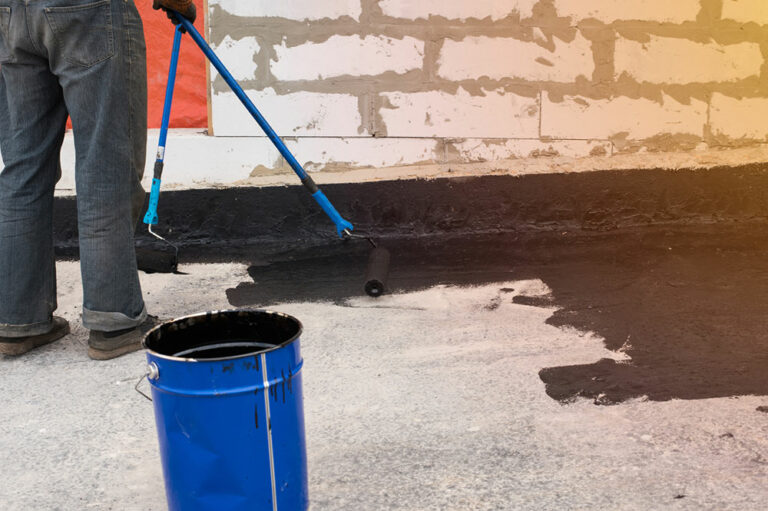
Almost every homeowner has faced water-caused destruction in their homes at one time or another. A good way to stop water damage is to waterproof areas like the basement. Unfortunately, this is not as easy as it sounds. A lot of people unknowingly make mistakes while waterproofing this place, which could be costly in the long run. Read on to learn about 11 such mistakes and how to avoid them. Ignoring the early warning signs of leakages When it comes to water damage, it is very important to catch the early warning signs. One should watch out for any unusual odors, dampness, or visible water stains in the basement. Recognizing these early can prevent excessive damage and mold growth and avoid expensive renovations in the future. Overlooking external drainage issues To keep the home and basement clean and moisture-free, homeowners also need to pay attention to their external drainage systems. Issues here, such as clogged gutters or downspouts, can increase the risk of water seepage and damage in the basement. One should regularly maintain the drainage systems so that the water is directed away from the home’s foundation. Thinking waterproof paint is enough While using waterproof paint is important in closed-off or humid locations like bathrooms and basements, it should not be the only barrier to prevent water from seeping in.
Read More

12 signs it’s time to get new doors and windows
Home

12 signs it’s time to get new doors and windows

Doors and windows connect homes to the world. However, as they are part of the home’s exterior, they are constantly exposed to external elements like wind, snow, rain, and dust. Additionally, even room and patio doors are used extensively, undergoing quite a bit of wear and tear. So, it’s necessary to maintain all doors and windows, regularly look for issues, and get them replaced if one notices the following signs: Signs to replace doors 1. Wide gaps With time, the gaps between the front doors and the floor beneath them may begin to widen, or the doors can get misaligned. This can make the door let in cold air. If that is the case, it is a clear sign that the door needs to be replaced or at least repaired. 2. Cracks Harsh winds, extreme winters, excessive moisture, or rough use—any of these factors can speed up door wear and tear. While some of these cracks can get repaired, the situation may get out of hand after a point if cracks keep developing. That’s when the door needs to be replaced. Garden and patio doors are particularly vulnerable to such wear and tear because they are directly exposed to such elements.
Read More
8 garden renovation mistakes to avoid
Home

8 garden renovation mistakes to avoid

The garden is the perfect place for individuals to spend time sipping on their favorite drink or hosting a barbeque for their friends and family. However, one might eventually want to renovate the entire area from scratch. While there’s a lot of excitement in taking up this project, people could make various mistakes that may ruin the garden space. Here are eight garden renovation errors that one could easily avoid. Not setting a budget Many people dive into a renovation project without even considering the costs. And before they know it, they have already shot past what they can afford. Therefore, setting a budget before starting the renovation project is crucial. One must determine how much they are willing to invest in the garden. The estimated budget should include every expense, including the cost of removing wild plants and adding fresh ones that are good for the space. One should also keep an additional fund aside to accommodate any unforeseen or emergency costs that arise during the project. Not drawing out a plan Apart from setting a budget, one should also ensure they begin garden renovations after creating a plan. This plan should include what they wish to add to the garden and the overall cost.
Read More
7 mistakes to avoid when repairing the house’s crawl space
Home

7 mistakes to avoid when repairing the house’s crawl space

The crawl space often ends up being one of the most neglected areas of a home. Since damp, moist air easily gets trapped in this space, there is a high risk of mold breeding here, affecting the foundation. Besides, musty smells, pests, and bugs can quickly find their way indoors, posing a risk to everyone’s health. Because of these issues, ensuring the crawl space is repaired well without any mistakes is important. Not hiring a professional to do the job Since the crawl space is a hidden area of the house, a homeowner may be tempted to save money by not hiring a professional. This can be a serious mistake with expensive consequences, especially if one does not have the necessary skills to do the work themselves. Instead of doing it alone, hiring a professional contractor can save a lot of time. Besides this, there will be less chance of the work being faulty. There will be a low risk of causing further damage to the crawl space, which otherwise will incur more expenses to repair it. Starting a the repair work before the crawl space is dry A common mistake homeowners make is installing the insulation or moisture barrier for the flooring too soon.
Read More
5 mistakes to avoid while using vacuum cleaners
Home

5 mistakes to avoid while using vacuum cleaners

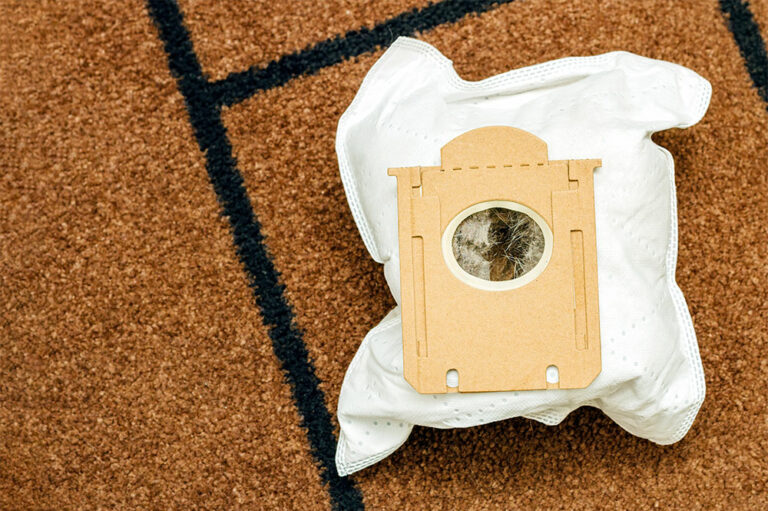
Vacuum cleaners are one of the most reliable home cleaning appliances. With the help of the machine, cordless or corded, one can get rid of dirt, cobwebs, and allergens found around the house. The device is used for cleaning purposes, therefore, it is vital to handle the vacuum cleaner correctly for optimal usage. That said, not everyone knows how to use a vacuum cleaner efficiently. Below are the common mistakes made while using them: Failing to empty or clean dust bags and filters It is important to empty and clean vacuum dust bags regularly. Failing to do so can affect the efficiency of the vacuum cleaner. Despite vacuuming, if you still notice dust stains on the carpet or the floor, it’s an indicator to empty the dust bag. Another tell-tale sign for the removal of dust bag is when your vacuum cleaner seems to be losing its suction power. The frequency of emptying the vacuum bags will depend on how often you use the device. A full vacuum dust bag will lead to an accumulation of dust and the breeding of bacteria and germs in the bag. Many latest models are equipped with disposable bags that are much more convenient.
Read More
6 common mistakes people make when vacuuming
Home

6 common mistakes people make when vacuuming

While most homes in the country have vacuum cleaners, only a few homeowners know how to use the device correctly. Although this versatile home appliance is convenient, it is an investment. However, by simply learning how to handle the machine, you can use it lifelong. Thankfully, most of the mistakes are avoidable. Let’s take a look at the six most common vacuuming mistakes that we tend to make and how to avoid them. Six common vacuuming mistakes to avoid Vacuuming in one direction This is the most common mistake homeowners tend to make. People often use the cleaner in a single direction. However, the appliance is designed to operate in both directions. When you use the cleaner in one direction, it sucks up the dust and grime from one direction and leaves behind the contaminants from the other side. However, when you use the appliance in both directions, a higher concentration and percentage of stubborn allergens, dirt, hair strands, and dust get removed. Optimal use of the device is possible only with bi-directional usage. Using the machine too fast Most people believe that since the vacuum cleaner is a machine, it can do the work fast. While it is faster than manually dusting and brooming the floor, it still takes time to clean the place.
Read More
8 cleaning mistakes that make the house dirtier
Home

8 cleaning mistakes that make the house dirtier

Keeping your surroundings clean and free of dust and germs is essential. Most people undertake cleaning rituals as a part of their daily chores. However, without realizing it, they may be doing more harm than good while going about the cleaning tasks. These common cleaning mistakes we often make leave behind a trail of dirt, allergens, and grime. Here’s a list of eight things to avoid doing when cleaning your home: Reusing sponges without disinfecting Most of us reach out for the sponge without even thinking twice, especially when wiping kitchen countertops and bathroom sink tops. Sponges are good absorbers of grime, but they are also perfect for facilitating the growth of bacteria and other micro-organisms. When you repeatedly use the same sponge, it is easy for the bacterial growth to get transferred to your kitchen and bathroom surfaces. Such a mistake is common but one that can prove to be enormously costly. The solution is to use microfiber clothes to wipe these commonly exposed surfaces instead of a sponge. But if you love the sponge, make sure that you disinfect it from time to time. Also, ensure that you change the sponge or the microfiber cloth every month. Ignoring common touchpoints Every house has common touchpoints, like the door knobs or the taps.
Read More
Top 4 air purifiers and how to choose the best one
Home

Top 4 air purifiers and how to choose the best one

With increasing sensitivity to allergens and rising pollution levels, air purifiers have become essential appliances. According to Bloomberg, the air purifier market will likely exceed $7 billion by 2032. This is not surprising at all, given how polluted the indoor environment can be, with the principal sources being dust, fires, car emissions, and cooking. Today you can find all kinds of purifiers, so here is all you need to know before buying one: Top air purifiers Here are some of the best options for your home: Levoit LV-H132 One of the top-rated purifiers, the LV H132 by Levoit, is compact and small, with a capacity for filtering up to 129 square feet. It has a HEPA filter (or high-efficiency particulate air filter) capable of eliminating 99.97% of pollen, dust, odor, smoke, pet dander, and mold spores. It promises an outstanding performance backed by features like a three-stage filtration arrangement consisting of a HEPA filter, an activated carbon filter, and a pre-filter. Additionally, it comes with three fan settings, allowing you to control the purifier’s volume and speed. Furthermore, it is so tiny that you can easily place it on your desk. Levoit VeSync Core 400S Smart air purifier While most top purifiers on this list effectively eliminate pollutants from the air, the VeSync Core 400S by Levoit goes one step further and allows you to check the air quality indoors as well as outdoors.
Read More
Showing 9-16 of 44 results

Prev. 1234 Next

Popular Articles

5 tips to prevent and manage ulcerative colitis

5 tips to prevent and manage ulcerative colitis

Ulcerative colitis is a long-term inflammatory disease that triggers inflammation and ulcers in the digestive system. It impacts the colon and rectum’s innermost lining. The symptoms are typically produced over a period rather than unexpectedly. According to the latest studies, about 1 million people have ulcerative colitis, and if left untreated, it can be crippling and cause life-threatening conditions. So, here are 5 tips to prevent and manage ulcerative colitis: Get on with the treatment plan immediately Even though there is no concrete cure for ulcerative colitis, proper treatment can help ease the symptoms and signs of the condition and eventually provide long-term remission. If a patient feels that their bowel habits are consistently changing or if they experience any of the following symptoms and signs, they should immediately consult a doctor: Blood in stool Ongoing diarrhea that is not getting cured by any other types of treatments An unknown fever going on for more than a day or two Abdominal pain Diarrhea that wakes up the patient from sleep The treatments prescribed by the doctor will typically include a combination of oral therapy or surgery. As far as oral treatments are concerned, the doctor may prescribe any of the following types of therapies, depending on the patient’s existing condition:
Read More
3 common types of soaps that trigger eczema flareups

3 common types of soaps that trigger eczema flareups

Atopic dermatitis or eczema is a skin disease that makes the skin reddish, inflamed, and itchy because of specific triggers. It can affect any body part and appear anywhere on the skin. The most common symptoms are dryness, bumps, rashes, redness, and peeling of the skin. Despite being one of the most typical forms of atopic dermatitis, there is no such common definite cause; however, particular triggers cause eczema flareups, including specific kinds of soaps. Soaps and eczema flareups When eczema triggers, most of the time, it makes its appearance in certain typical parts of the body. These include behind the knee areas, hands, and feet. Some of the most common triggers of eczema flareups include household cleaners containing specific chemicals, and, most notably, soaps. However, the experience of eczema won’t be the same for everyone. One of the most typical symptoms is dry skin, where the soap’s role becomes significant. It is a pretty well-known fact that using soaps makes one’s skin dry. This happens because of specific harsh chemicals that swipe off moisture from one’s skin. These chemicals can also trigger severe irritation and reactions, specifically if the skin is too sensitive or if one is suffering from eczema.
Read More
3 effective ways to manage multiple myeloma

3 effective ways to manage multiple myeloma

Multiple myeloma is a type of cancer that affects the plasma cells in the bone marrow. Here, cancerous cells begin accumulating in the bone marrow and outnumber the healthy cells. This leads to huge amounts of unwanted proteins rather than helpful antibodies. About 34,000 adults in the country are estimated to be affected by this condition in 2022. However, the disease can be managed through the following treatment options, foods, and lifestyle changes: Treatment options Multiple myeloma does not have a permanent cure, but the disease and its symptoms can be managed with the right treatment. Doctors may recommend immunotherapy to treat this blood-related condition. Immunotherapy This is a treatment method that empowers the patient’s immune system to fight cancerous cells. It is a biological therapy where certain substances derived from living beings are used for the treatment. Here are a few options: CAR T-cell therapy: This is a form of immunotherapy prescribed for multiple myeloma patients. This works on the T-cells (a white blood cell type), stimulating them to fight cancerous growth. The therapy involves drawing blood from the patient and adding chimeric antigen receptors (or CARs) to the blood, helping the T-cells target certain cancerous cell antigens. The CAR T-cells are then infused into the blood of the patient.
Read More
4 essential vitamins for optimum eye health

4 essential vitamins for optimum eye health

The eyes are complex organs and need a variety of nutrients to function optimally. Many common health conditions like glaucoma, cataracts, age-related macular degeneration, diabetic retinopathy, and others can negatively affect our eyes, which may lead up to a complete loss of vision. While some conditions like moderate astigmatism can be corrected using contact lenses or eye lenses, others can be prevented by consuming a healthy dose of these 4 vitamins: Vitamin A Vitamin A deficiency is one of the most common causes of blindness globally. Vitamin A plays a crucial role in maintaining a clear cornea (outside the covering of the eye). A person with this vitamin deficiency may find their eyes not producing enough moisture to stay lubricated. It is also essential for maintaining the eyes’ light-sensing cells called photoreceptors. A deficiency of vitamin A can also lead to xerophthalmia, a progressive eye disease that begins with night blindness. Continued deficiency can lead to the drying up of the eyes and tear ducts, and softening of the cornea, resulting in irreversible blindness. To maintain eye health, it is recommended to eat vitamin-A-rich foods, like sweet potatoes, leafy greens, pumpkins, squash, bell peppers, carrots, dairy products, egg yolks, and liver.
Read More

Trending Articles

7 foods that help fight against Bronchitis

7 foods that help fight against Bronchitis

When you have bronchitis, it’s easy to overeat greasy, salty, or sugary foods to relieve the coughing, breathing, and throat pain. Alternatively, you may decide not to consume anything at all. However, you should take care and watch what you eat as refined carbs and saturated fats might impede recovery. Knowing which foods to avoid and which to eat may influence the severity of bronchitis symptoms. Here’s a list of a few items you should avoid. Foods with preservatives and additives Sulfites, a form of preservative, may aggravate bronchitis. Liquor, dried fruits, pickled foods, maraschino cherries, and lime juice all contain sulfites. Processed and quick meals frequently contain chemical additives, flavors, and colorings. Some bronchitis patients may be susceptible to or intolerant to these artificial components. Gas-forming foods Eating large meals or gas-producing foods strains the diaphragm, especially if you suffer from acid reflux. This can cause chest pains and asthma flare-ups. Beans, cabbage, carbonated beverages, onions, and fried dishes are examples of these foods. Sugar and HFCS Do you enjoy drinking sugar-laden colas? Be cautious. They can be dangerous to your health. Avoiding syrups, candies, and other sugary foods will help to relieve symptoms such as coughing, irritation, and discomfort in your lungs.
Read More
7 foods to avoid for a Crohns flare-up

7 foods to avoid for a Crohns flare-up

Crohns disease is an inflammatory condition of the gastrointestinal tract that mainly occurs in the colon and the small intestine and can affect any part of the GI tract. It causes sudden and painful symptoms such as diarrhea, fever, cramps, bloody stool, and fatigue. While food doesn’t cause Crohns, it can perhaps worsen the disease by leading to flare-ups. Here are some foods one needs to avoid if they are experiencing discomfort due to Crohns. Grains Grains contain a lot of fiber, which can worsen the symptoms of Crohns. This is because a high amount of fiber can make your intestines work harder. This makes the normal digestive process difficult, leading to abdominal pain, cramps, and even bloating. Avoid eating whole wheat bread or pasta, rye products, and barley to prevent these painful symptoms. Spicy foods Regarding the worst foods for Crohns flare-ups, spicy foods rank among the top. Most foods with spices are rich in capsaicin, which causes a burning feeling inside your mouth and stomach. These include chili, paprika, pepper, nutmeg, clove, and mustard. Capsaicin increases the level of acids in your stomach and may worsen symptoms, such as stomach cramps, diarrhea, and acidity. Fibrous fruits and vegetables Like grains, fibrous fruits and vegetables don’t get digested easily, and can cause constipation and cramps – typical symptoms of Crohns flare-ups.
Read More
Ignore these 8 foods when diagnosed with hyperkalemia

Ignore these 8 foods when diagnosed with hyperkalemia

Potassium is an essential nutrient that allows your body to function optimally. A meal plan rich in potassium allows proper nerve function and regulates your heartbeat. However, certain conditions such as kidney diseases and consuming food rich in potassium excessively may increase its levels in your bloodstream leading to a condition known as hyperkalemia . Let’s look at foods you should limit to keep your potassium within normal levels. Bananas The first food that comes to mind when people think of potassium sources is bananas. One medium-sized banana contains almost 422 mg of potassium. Though it would take a lot of bananas to cause an overdose of potassium, if you are also eating other foods rich in potassium, it will lead to excessive potassium levels in your blood, which in turn, will trigger hyperkalemia . Tomato Sauce and Paste Raw tomatoes contain a decent amount of potassium. One medium tomato has about 292 mg of potassium. Concentrated forms of tomatoes, such as sauces, salsa, paste, puree, etc., contain even higher amounts of potassium. For instance, a small cup of tomato sauce contains almost 728 mg potassium. So, it is advised to skip tomato sauce and opt for alternatives such as basil or roasted red peppers.
Read More
  • About Us
  • Contact Us
  • Privacy Policy
  • Advertiser Information
  • Terms of Service

© 2026 HerbHealWellness.com. All Rights Reserved.

e