Home | Pets
7 human foods that cats can enjoy
cat foods

7 human foods that cats can enjoy

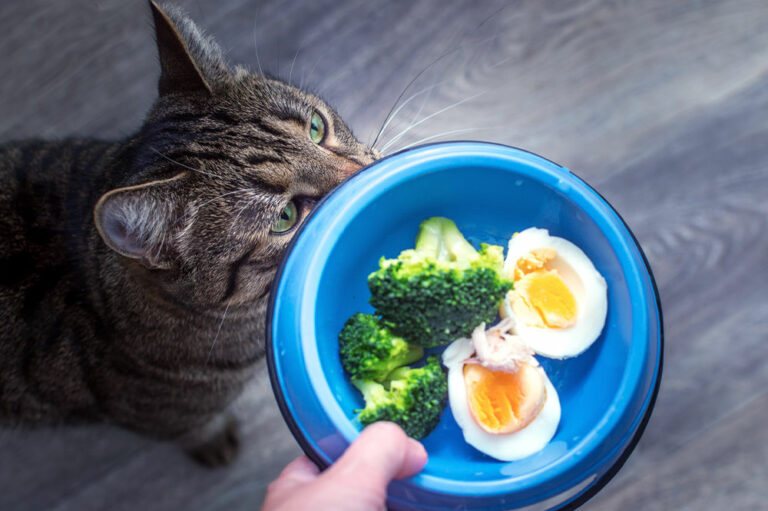
Pet owners are extremely protective of their fur babies. They want to ensure that their pets get the best of care and, most importantly, food. Most often, one gets tempted to share the food from the plates with them. But, not all the food we consume is safe for our pet cats. This makes it important to stay informed on the food items that are safe or harmful for cats. Read on to learn more. Whole grain and whole grain foods You can also share whole grain products like brown side, oatmeal, and more with your cat in moderate quantities. Whole grains are nutritionally dense and contain iron, fiber, vitamins, and tons of minerals that can boost your cat’s health. The fiber content can help improve digestive health, while vitamins and minerals can help make their coat healthy and shiny. Cheese Cats across the globe share an intense love for all things dairy. Not only will they enjoy a bowl of fresh milk, but they also love other dairy products such as cheese, yogurt, and even butter. When they are born, cats rely on their mother’s milk to survive for the first two to three months. But, as they grow, cats, much like many humans, tend to develop an intolerance for lactose, a protein that is found in milk and milk products.
Read More

6 human foods that cats can enjoy
Pets

6 human foods that cats can enjoy

Certain foods that are healthy for us may be beneficial for your cat. As a responsible cat parent, it is essential to be aware of the foods and their sources before slipping a morsel from your plate into your pet’s bowl. Ingestion of toxic foods can adversely affect the cat’s digestive system. Hence, it is advised to consult a vet for recommendations. Here is a list of human foods that are perfectly safe for cats: Meat Cats are carnivores by nature. Most of the commercial cat food in the market contains different meats, an excellent protein source. So, feeding them bits of cooked meats like beef, turkey, or chicken from your lunch plate is entirely alright. Make sure you limit the quantity of the meats. Overeating may cause digestive issues in cats. Salmon Cats love fish, and most vets recommend feeding them fish-based foods. They are a good source of omega-3 and other nutrients. Oily fish like tuna, salmon, or mackerel prove beneficial for their eyesight and joints. However, do not feed your feline straight from the can as they might lick it too aggressively, leading to cuts and bruises on their tongues. It’s best to feed them cooked fish without bones.
Read More
10 human foods that are safe for dogs
Pets

10 human foods that are safe for dogs

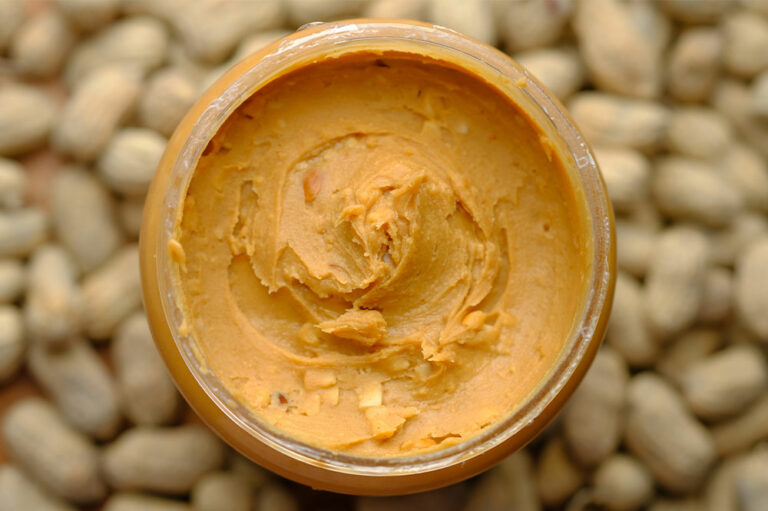
Many pet owners tend to share their own food with their pets. After all, it can be hard to say no to the puppy eyes watching you while you cook or eat. However, humans and dogs metabolize food differently, and so, what is safe and healthy for you can be dangerous for your four-legged companion. So, here are a few safe and delicious human foods that even dogs can enjoy: Peanut butter Not just us, even dogs can’t get enough of peanut butter. Fortunately, it is safe for dogs and contains nutrients like healthy fats, vitamins B and E, protein, and niacin. However, it is high in fat and calorie content, so overindulgence can lead to health issues. Also, plain peanut butter that does not contain added sugar, salt, or artificial sweeteners, should be offered to dogs. Chicken Cooked chicken, without bones and spices, can be a perfect meal for canines. It is one of the best sources of protein, making it one of the most common ingredients in dog foods. Cooked chicken bones should never be given to your pets as these bones can splinter and lead to choking. Carrots Carrots can be your go-to choice for veggies that can be shared with dogs.
Read More
Top 7 vet-recommended foods for cats
Pets

Top 7 vet-recommended foods for cats

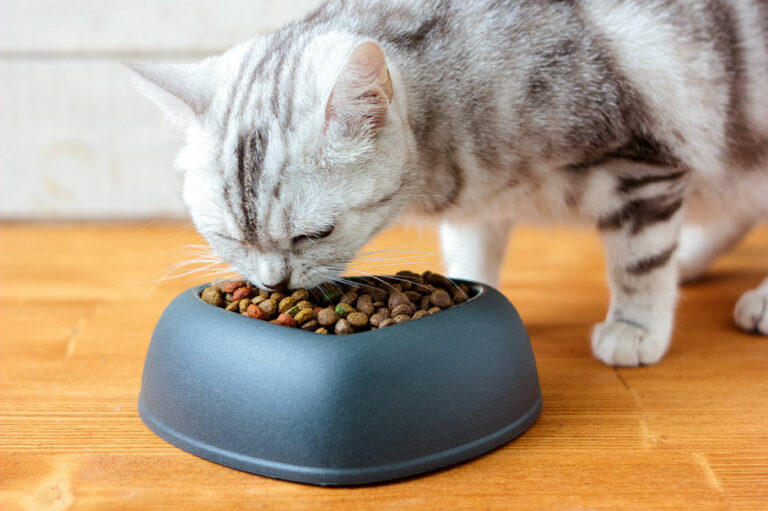
When it comes to feeding pets, cat parents may need to exercise even more caution than dog parents. That is because cats require more proteins and minerals. Further, they are “true” or obligate carnivores, meaning they need nutrients found in animal flesh to survive and maintain optimal health. The best way to ensure your pet gets nutritious meals is to choose foods recommended by veterinarians. Here are a few popular options: Smalls Human-Grade Fresh cat food Smalls is a fresh cat food manufacturer that is known for its Human-Grade Fresh product line. Approved by vets, this product line features recipes made with human-grade ingredients and high-quality, fresh animal protein sources, and it comes in two textures, making it ideal for even the fussiest eaters. The brand lets you choose the protein source for your feline from options like Bird (Chicken), Other Bird (Turkey and Chicken Liver), and Cow. Regardless of the formula you pick, you can rest assured knowing that Smalls’ ingredients are USDA-certified, humanely harvested, and sustainably sourced with no bisphenol A (BPA), preservatives, fillers, or unknown ingredients. Blue Buffalo Basics grain-free cat food Looking for a formula with only a few ingredients for your sensitive feline? Check out skin and stomach care grain-free cat food—a limited-ingredient recipe from Blue Buffalo.
Read More
Top 5 foods for puppies
Pets

Top 5 foods for puppies

Pets require specially curated foods during their growing stage. Formula foods created for specific breeds target their growth hormones. They are induced with great nutritional value to provide pups with high energy levels. As puppies exert maximum strength in their growing years, they need enough calories to support their energy levels. The formulated pet foods are readily available online and at retail stores. Here is a list of top-rated foods that are ideal for growing puppies: Royal Canin This pet food brand is popular among pet parents and vets alike. The brand is known for creating tailored nutrition for cats and dogs. Royal Canin has strategically crafted its formulas among pets depending on their size, age, breed, and whether it’s an indoor or an outdoor pet. They offer an extensive range of foods for growing puppies that ensure they get the right nutrition to support their growth and development. Royal Canin categorizes its food for puppies in different size variants, including X-small, Mini, Medium, Maxi, and Giant. Natural Balance This brand works with limited ingredients to ensure the best selection and nutrient-rich recipes. Their selective range of nutrients includes one source of animal protein, plant-based proteins, and selected carbohydrates to provide the pets with essential nutrients and growth hormones.
Read More
10 science-based benefits of having a dog
Pets

10 science-based benefits of having a dog

Dogs are considered a man’s best friend. They hold a special place in people’s hearts because of the undeniable joy of companionship they offer, which is hard to find elsewhere. Besides this, a growing body of scientific research has revealed a multitude of benefits associated with dog ownership that make them much more than just pets. These science-backed advantages range from promoting physical and mental well-being to fostering social connections. 1. Enhanced physical health Owning a dog naturally encourages an active lifestyle. Daily walks, playtime in the park, and training exercises are incorporated into a routine, promoting regular physical activity. Studies have shown that dog guardians tend to walk more frequently, experience lower blood pressure, and even exhibit a reduced risk of heart disease. 2. Stress reduction and emotional well-being Interaction with dogs triggers the release of oxytocin, a hormone that promotes feelings of love and bonding. Simply petting a dog can lower cortisol levels, the body’s stress hormone, resulting in feelings of relaxation and calmness. Dog ownership has also been linked to alleviating the symptoms of anxiety and depression and providing emotional support and comfort. 3. Improved immune system function Studies suggest that exposure to dog allergens early in life might strengthen a developing immune system.
Read More
7 mistakes to avoid when adopting a dog
Pets

7 mistakes to avoid when adopting a dog

Bringing a dog home can be a rewarding experience. One of the best ways to do that is by adopting one, as it can help give the dog a new life. But, one needs to be prepared to provide the dog with the right care if considering adoption. So, it is important to do some research before visiting a shelter. Knowing what to expect can make the process much easier. Mistakes to avoid Dogs need proper care, support, and training to thrive. To provide that care, one needs to spend significant time, effort, and money. So, before adopting a dog, one should plan ahead and assess if they have the time and resources to care for the dog and pay attention to its needs. Rushing the process can lead to the following mistakes: 1. Prioritizing the breed One of the most crucial mistakes to avoid when adopting a dog is basing the decision only on the breed of dog. For instance, one might have already cared for pets of specific breeds in the past, so when adopting another one, one may be tempted to look for the same breed. However, it is essential to go for adoption with an open mind, as each dog is different.
Read More
8 human foods that are harmful for dogs
Pets

8 human foods that are harmful for dogs

Pets go on to become a vital part of one’s life. And as responsible pet parents, it is also essential that one dawns the strict parent mask and learn to say no to sharing food off of our plate. Sometimes one can go on to share a bite or two from their plates. However, certain human foods can be extremely harmful to dogs. Therefore, it is important to check the food items that are given to them. Chocolate A sweet temptation turned toxic. Chocolate is a heavenly indulgence for humans but a dangerous poison for dogs. This delectable treat contains theobromine, a stimulant that is usually considered a healthy outcome from this indulgence. However, as dogs metabolize theobromine differently and more slowly than humans, its presence for prolonged periods in excessive quantity can cause toxicity. This can result in symptoms like vomiting, diarrhea, rapid breathing, elevated heart rate, seizures, and even death. It’s important to note that the darker chocolate, the higher the levels of theobromine it contains. So, keep those chocolate bars, cocoa powder, and even chocolate-flavored desserts securely out of your pet’s reach. Onions and garlic Onions and garlic are crucial to add a burst of flavor to our culinary creations.
Read More
Showing 1-8 of 13 results

12 Next

Popular Articles

5 tips to prevent and manage ulcerative colitis

5 tips to prevent and manage ulcerative colitis

Ulcerative colitis is a long-term inflammatory disease that triggers inflammation and ulcers in the digestive system. It impacts the colon and rectum’s innermost lining. The symptoms are typically produced over a period rather than unexpectedly. According to the latest studies, about 1 million people have ulcerative colitis, and if left untreated, it can be crippling and cause life-threatening conditions. So, here are 5 tips to prevent and manage ulcerative colitis: Get on with the treatment plan immediately Even though there is no concrete cure for ulcerative colitis, proper treatment can help ease the symptoms and signs of the condition and eventually provide long-term remission. If a patient feels that their bowel habits are consistently changing or if they experience any of the following symptoms and signs, they should immediately consult a doctor: Blood in stool Ongoing diarrhea that is not getting cured by any other types of treatments An unknown fever going on for more than a day or two Abdominal pain Diarrhea that wakes up the patient from sleep The treatments prescribed by the doctor will typically include a combination of oral therapy or surgery. As far as oral treatments are concerned, the doctor may prescribe any of the following types of therapies, depending on the patient’s existing condition:
Read More
3 common types of soaps that trigger eczema flareups

3 common types of soaps that trigger eczema flareups

Atopic dermatitis or eczema is a skin disease that makes the skin reddish, inflamed, and itchy because of specific triggers. It can affect any body part and appear anywhere on the skin. The most common symptoms are dryness, bumps, rashes, redness, and peeling of the skin. Despite being one of the most typical forms of atopic dermatitis, there is no such common definite cause; however, particular triggers cause eczema flareups, including specific kinds of soaps. Soaps and eczema flareups When eczema triggers, most of the time, it makes its appearance in certain typical parts of the body. These include behind the knee areas, hands, and feet. Some of the most common triggers of eczema flareups include household cleaners containing specific chemicals, and, most notably, soaps. However, the experience of eczema won’t be the same for everyone. One of the most typical symptoms is dry skin, where the soap’s role becomes significant. It is a pretty well-known fact that using soaps makes one’s skin dry. This happens because of specific harsh chemicals that swipe off moisture from one’s skin. These chemicals can also trigger severe irritation and reactions, specifically if the skin is too sensitive or if one is suffering from eczema.
Read More
3 effective ways to manage multiple myeloma

3 effective ways to manage multiple myeloma

Multiple myeloma is a type of cancer that affects the plasma cells in the bone marrow. Here, cancerous cells begin accumulating in the bone marrow and outnumber the healthy cells. This leads to huge amounts of unwanted proteins rather than helpful antibodies. About 34,000 adults in the country are estimated to be affected by this condition in 2022. However, the disease can be managed through the following treatment options, foods, and lifestyle changes: Treatment options Multiple myeloma does not have a permanent cure, but the disease and its symptoms can be managed with the right treatment. Doctors may recommend immunotherapy to treat this blood-related condition. Immunotherapy This is a treatment method that empowers the patient’s immune system to fight cancerous cells. It is a biological therapy where certain substances derived from living beings are used for the treatment. Here are a few options: CAR T-cell therapy: This is a form of immunotherapy prescribed for multiple myeloma patients. This works on the T-cells (a white blood cell type), stimulating them to fight cancerous growth. The therapy involves drawing blood from the patient and adding chimeric antigen receptors (or CARs) to the blood, helping the T-cells target certain cancerous cell antigens. The CAR T-cells are then infused into the blood of the patient.
Read More
4 essential vitamins for optimum eye health

4 essential vitamins for optimum eye health

The eyes are complex organs and need a variety of nutrients to function optimally. Many common health conditions like glaucoma, cataracts, age-related macular degeneration, diabetic retinopathy, and others can negatively affect our eyes, which may lead up to a complete loss of vision. While some conditions like moderate astigmatism can be corrected using contact lenses or eye lenses, others can be prevented by consuming a healthy dose of these 4 vitamins: Vitamin A Vitamin A deficiency is one of the most common causes of blindness globally. Vitamin A plays a crucial role in maintaining a clear cornea (outside the covering of the eye). A person with this vitamin deficiency may find their eyes not producing enough moisture to stay lubricated. It is also essential for maintaining the eyes’ light-sensing cells called photoreceptors. A deficiency of vitamin A can also lead to xerophthalmia, a progressive eye disease that begins with night blindness. Continued deficiency can lead to the drying up of the eyes and tear ducts, and softening of the cornea, resulting in irreversible blindness. To maintain eye health, it is recommended to eat vitamin-A-rich foods, like sweet potatoes, leafy greens, pumpkins, squash, bell peppers, carrots, dairy products, egg yolks, and liver.
Read More

Trending Articles

7 foods that help fight against Bronchitis

7 foods that help fight against Bronchitis

When you have bronchitis, it’s easy to overeat greasy, salty, or sugary foods to relieve the coughing, breathing, and throat pain. Alternatively, you may decide not to consume anything at all. However, you should take care and watch what you eat as refined carbs and saturated fats might impede recovery. Knowing which foods to avoid and which to eat may influence the severity of bronchitis symptoms. Here’s a list of a few items you should avoid. Foods with preservatives and additives Sulfites, a form of preservative, may aggravate bronchitis. Liquor, dried fruits, pickled foods, maraschino cherries, and lime juice all contain sulfites. Processed and quick meals frequently contain chemical additives, flavors, and colorings. Some bronchitis patients may be susceptible to or intolerant to these artificial components. Gas-forming foods Eating large meals or gas-producing foods strains the diaphragm, especially if you suffer from acid reflux. This can cause chest pains and asthma flare-ups. Beans, cabbage, carbonated beverages, onions, and fried dishes are examples of these foods. Sugar and HFCS Do you enjoy drinking sugar-laden colas? Be cautious. They can be dangerous to your health. Avoiding syrups, candies, and other sugary foods will help to relieve symptoms such as coughing, irritation, and discomfort in your lungs.
Read More
7 foods to avoid for a Crohns flare-up

7 foods to avoid for a Crohns flare-up

Crohns disease is an inflammatory condition of the gastrointestinal tract that mainly occurs in the colon and the small intestine and can affect any part of the GI tract. It causes sudden and painful symptoms such as diarrhea, fever, cramps, bloody stool, and fatigue. While food doesn’t cause Crohns, it can perhaps worsen the disease by leading to flare-ups. Here are some foods one needs to avoid if they are experiencing discomfort due to Crohns. Grains Grains contain a lot of fiber, which can worsen the symptoms of Crohns. This is because a high amount of fiber can make your intestines work harder. This makes the normal digestive process difficult, leading to abdominal pain, cramps, and even bloating. Avoid eating whole wheat bread or pasta, rye products, and barley to prevent these painful symptoms. Spicy foods Regarding the worst foods for Crohns flare-ups, spicy foods rank among the top. Most foods with spices are rich in capsaicin, which causes a burning feeling inside your mouth and stomach. These include chili, paprika, pepper, nutmeg, clove, and mustard. Capsaicin increases the level of acids in your stomach and may worsen symptoms, such as stomach cramps, diarrhea, and acidity. Fibrous fruits and vegetables Like grains, fibrous fruits and vegetables don’t get digested easily, and can cause constipation and cramps – typical symptoms of Crohns flare-ups.
Read More
Ignore these 8 foods when diagnosed with hyperkalemia

Ignore these 8 foods when diagnosed with hyperkalemia

Potassium is an essential nutrient that allows your body to function optimally. A meal plan rich in potassium allows proper nerve function and regulates your heartbeat. However, certain conditions such as kidney diseases and consuming food rich in potassium excessively may increase its levels in your bloodstream leading to a condition known as hyperkalemia . Let’s look at foods you should limit to keep your potassium within normal levels. Bananas The first food that comes to mind when people think of potassium sources is bananas. One medium-sized banana contains almost 422 mg of potassium. Though it would take a lot of bananas to cause an overdose of potassium, if you are also eating other foods rich in potassium, it will lead to excessive potassium levels in your blood, which in turn, will trigger hyperkalemia . Tomato Sauce and Paste Raw tomatoes contain a decent amount of potassium. One medium tomato has about 292 mg of potassium. Concentrated forms of tomatoes, such as sauces, salsa, paste, puree, etc., contain even higher amounts of potassium. For instance, a small cup of tomato sauce contains almost 728 mg potassium. So, it is advised to skip tomato sauce and opt for alternatives such as basil or roasted red peppers.
Read More
  • About Us
  • Contact Us
  • Privacy Policy
  • Advertiser Information
  • Terms of Service

© 2026 HerbHealWellness.com. All Rights Reserved.

e