Common causes of swelling in the legs
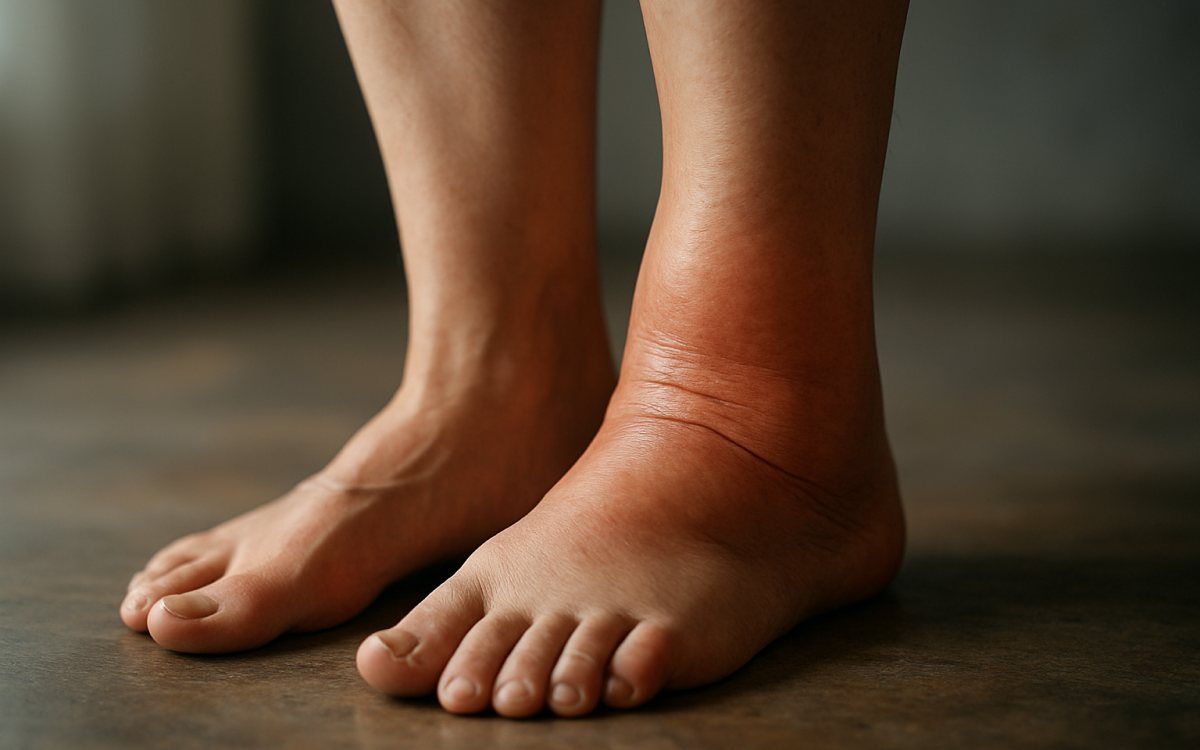
Swelling in the legs is a common concern, but the cause can vary. In some cases, the swelling develops due to excess fluid buildup in the legs, a condition known as edema. In another instance, it can be linked to some form of inflammation caused by an injury, infection, or an underlying health condition. Knowing about the specific reason behind the swelling can help address the root cause and determine the need for expert attention.
Kidney issues
The main function of the kidneys is to filter and remove excess fluid and waste from the blood. But when the organs are unable to carry out this function due to an underlying condition or disease, their ability to complete the elimination process gets disrupted. As a result, fluid begins to accumulate in the body, eventually leading to fluid retention, particularly in the legs.
Congestive heart failure
When the heart becomes too weak to pump blood efficiently, circulation slows down. As a result, the blood can flow back up in the veins, leading to fluid accumulation in the surrounding tissues, including the legs. In the case of congestive heart failure, individuals may notice other symptoms such as shortness of breath, difficulty breathing while lying down, and persistent fatigue. These symptoms may require immediate medical care.
Affected veins
There are many vein issues, such as deep vein thrombosis, or DVT, that can also cause fluid retention in the legs. In this condition, a blood clot forms in a deep vein of the leg, thereby blocking normal blood flow, causing painful swelling, particularly in the calves. In addition to the swelling and pain, individuals may also experience chest pain, breathlessness, or dizziness. These symptoms may indicate that the clot has traveled to the lungs, causing pulmonary embolism.
Liver issues
Advanced liver conditions, such as cirrhosis, can also interfere with normal blood flow. Due to this, pressure builds up in the veins connected to the liver, causing fluid to leak into nearby tissues. This process can eventually lead to swollen legs and abdomen.
Additionally, if the liver is unable to function properly, it may fail to produce enough proteins that help retain fluid within the blood vessels. This deficiency can further cause fluid retention in the legs.
Joint issues
Inflammatory joint conditions, like arthritis, can lead to leg swelling. In osteoarthritis, a type of degenerative arthritis, the area around the knees can swell due to inflammation that causes fluid buildup.
Autoimmune conditions such as rheumatoid arthritis can also trigger swelling because the immune system attacks joint tissues. Other inflammation-related causes of leg swelling include knee bursitis, in which the cushioning sacs around the joint become inflamed, and gout, which results in sudden, painful swelling due to the buildup of uric acid crystals.
Injuries
One of the most common causes of swollen legs and feet is injuries. Swelling is often the body’s natural response to any physical trauma. Injuries such as a sprained ankle, fractured bone, or torn ligament can lead to noticeable swelling. This occurs because fluid and white blood cells are rushed to the injured area. Additionally, even cuts or deep bruises can cause localized swelling.
Additionally, internal injuries, such as an Achilles tendon rupture, may cause sudden pain followed by swelling in the lower leg or ankle.
Lifestyle factors
Swollen legs may not always indicate an underlying health issue. Certain lifestyle factors can also cause leg swelling. For example, sitting or standing for long periods without movement can cause fluid to accumulate in the legs. Additionally, wearing tight clothing, such as pants, can restrict blood circulation and contribute to swelling.