Common magnesium-rich foods to improve sleep quality
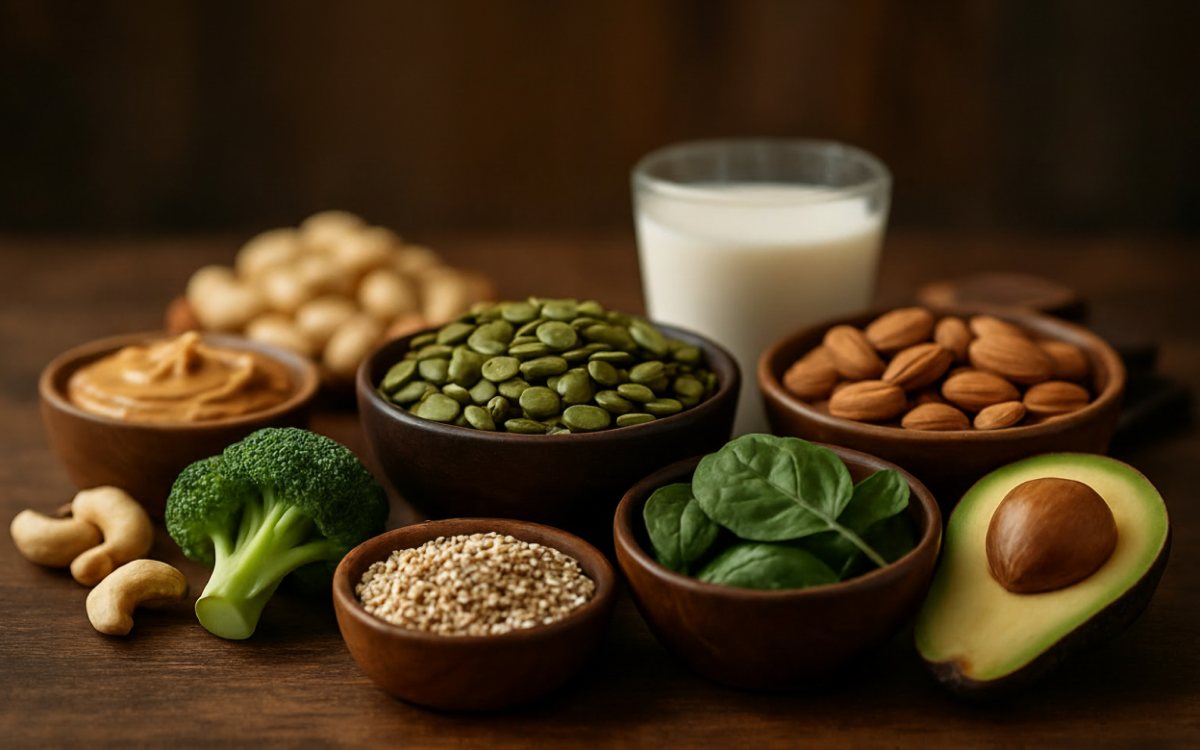
The human body requires certain minerals to support bodily functions. One such mineral is magnesium. It supports sleep by soothing the nervous system, relaxing muscles, and regulating hormones during rest. It also facilitates the release of GABA, a neurotransmitter that promotes calmness and eases tension. However, many people struggle with magnesium deficiency, leading to poor sleep quality and increased stress levels. In such cases, including magnesium-rich foods can enhance sleep quality, lower stress, and improve muscle movement.
Pumpkin seeds
These seeds, also known as pepitas, are a solid natural source of magnesium. A single cup of dried pumpkin seeds contains as much as 792 mg of magnesium, as per the USDA statistics. Even consuming a quarter cup of these seeds can help in meeting one’s daily magnesium needs.
These seeds can be consumed in different ways. One can eat the seeds raw or roast them to enhance flavor. Alternatively, they can be eaten as a standalone snack or used as a garnish on a regular meal to add crunch and flavor.
Many people often use these seeds as a topping to add extra flavor, texture, and nutrition to dishes such as yogurt, porridge, and salads.
Nuts
Nuts and seeds are among the richest sources of naturally occurring magnesium, even when they are consumed in small servings.
Nuts like walnuts, cashews, and almonds closely follow pumpkin seeds in magnesium content. These portable snacks are versatile (they can be eaten as a main dish, a snack, or a side dish) and offer benefits beyond magnesium. Beyond magnesium, nuts and seeds provide healthy fats and protein that help stabilize blood sugar levels. Eating pumpkin seeds and nuts together is known to significantly improve sleep patterns and reduce tension-related food cravings. The healthy fats in walnuts, almonds, and cashews also support magnesium absorption. What’s more? Healthy fats can also quickly and efficiently transport this mineral through the digestive system and, subsequently, to all parts of the body.
Spinach
Salad staples such as spinach, kale, and broccoli often appear on lists of the best foods because of the range of nutrients they naturally provide. A cup of raw spinach contains as much as 24 mg of magnesium, according to the USDA (cooking increases this to 156 mg).
Like nuts and seeds, arguably the best aspect of spinach and other leafy greens is their malleability when it comes to pairing with other foods. People can consume spinach raw on a sandwich or as the base of a salad. Alternatively, one can include spinach with arugula or other green foods, such as avocado. Spinach-tinged curry makes for a great gravy that pairs well with rice or bread.
In addition to its high magnesium content, which supports quality sleep, spinach is also loaded with antioxidants that help reduce inflammation in the body.
Lentils and beans
One of the best foods for heart health, beans are just as potent and loaded with magnesium. Additionally, beans such as black peas, chickpeas, and lentils are all high in magnesium, folate, fiber, and iron. These nutrients help keep mental stress, insomnia, and negative thoughts away.
Beans are also some of the most well-known low-glycemic foods. This means these foods help keep blood sugar steady, which further leads to reduced feelings of restlessness and tension in the mind.
Fatty fish
Like nuts and seeds, fish are rich in antioxidants and omega-3 fatty acids, both of which help reduce inflammation within the body. Besides, fatty fish such as salmon, mackerel, and tuna are loaded with magnesium, a healthy dose of vitamin D, and omega-3 fatty acids, which are often involved in the production and regulation of serotonin.