Inflammation – Types, causes, and management

Inflammation is the body’s natural way of protecting itself. It is the immune system’s response to any damage, such as an injury or infection. In some cases, this response is helpful and is short-lived. However, when inflammation persists, it can do more harm than good. That’s why one should understand inflammation and take appropriate measures to address it. A good starting point is to recognize the warning signs and identify the specific nature of the issue and the underlying trigger.
Types of inflammation
Acute inflammation
This is just the immune system’s immediate response to any injury, infection, or illness. When any of these issues occur, immune cells are sent to the affected part to start the healing process.
The symptoms of acute inflammation usually include pain, redness, warmth, and swelling in the affected area, which typically last only a few hours to a few days. The redness and warmth result from increased blood flow to the area. Likewise, fluid buildup leads to swelling; it is the body’s way of protecting this area from further damage or infections, and helping it heal. That said, these symptoms may not always be present. Sometimes, one may just have a fever and weakness.
Chronic inflammation
It develops when the immune system remains active even when there is no immediate threat. When the body fails to turn off its defense mechanisms, it results in long-term inflammation, wherein the immune system begins to affect the very organs it was meant to protect.
Chronic inflammation can last for months or even years, leading to symptoms that may vary in terms of severity. This type of inflammation has been linked to several long-term conditions, including diabetes, cardiovascular diseases, joint diseases, autoimmune disorders, allergies, COPD, and skin conditions like psoriasis. The specific symptoms depend largely on the condition one has.
Causes of acute inflammation
In most cases, acute inflammation is caused by either physical trauma or infection. When the body senses an injury or harmful bacteria, it activates the immune system, which leads to multiple reactions. Firstly, plasma enters the affected tissue, causing fluid buildup that appears as swelling. The body then also sends white blood cells to the area to prevent infections. To allow these processes to happen easily, the blood vessels enlarge. All of this happens to contain the threat and support healing.
Causes of chronic inflammation
Exposure to toxins
When the body is repeatedly exposed to toxins, such as infectious agents, environmental irritants, or chemical toxins, it tries to eliminate them, which triggers inflammation.
Lifestyle factors
Ongoing stress, poor sleep, lack of physical activity, and eating foods high in sodium and trans fats are common lifestyle factors that can lead to inflammation.
Autoimmune conditions
In these conditions, the immune system mistakenly attacks healthy tissues, resulting in persistent inflammation. Some common examples include rheumatoid arthritis (RA), multiple sclerosis, type 1 diabetes, lupus, and inflammatory bowel disease.
Managing acute inflammation
Acute inflammation often settles on its own and doesn’t need treatment. That said, one can still manage the pain and discomfort in a few simple ways. For starters, one can just keep the affected area at rest by restricting movement and applying cold packs for short intervals.
Managing chronic inflammation
Regular exercise
Regular physical activity helps reduce chronic inflammation by modulating cytokine levels (messenger molecules that carry inflammatory signals). Even low-intensity physical activity, such as brisk walking, jogging, and cycling, spread throughout the day, can make a difference.
Manage stress
Ongoing stress raises cortisol levels, which can lead to chronic inflammation. Fortunately, stress can be managed by simple relaxation techniques, such as deep breathing and meditation. One can also consider seeking professional help to manage chronic stress.
Follow healthy food habits
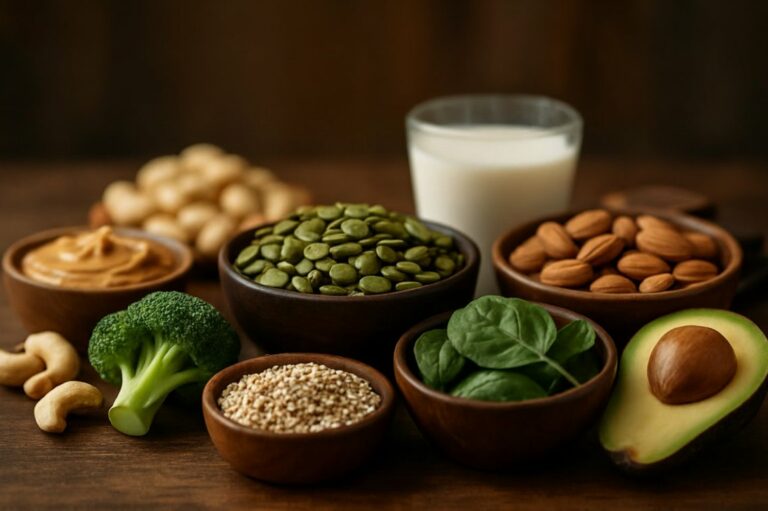
Food also plays a major role in managing inflammation naturally. Eating foods rich in antioxidants, such as fruits and vegetables, is an effective way to reduce inflammation. Foods rich in omega-3 fatty acids, such as salmon, tuna, and mackerel, can also help regulate inflammation.
Managing chronic inflammation also requires one to avoid foods that can trigger inflammation. These include foods high in sugar, saturated fats, and red meat.