Stretching – Benefits and limitations
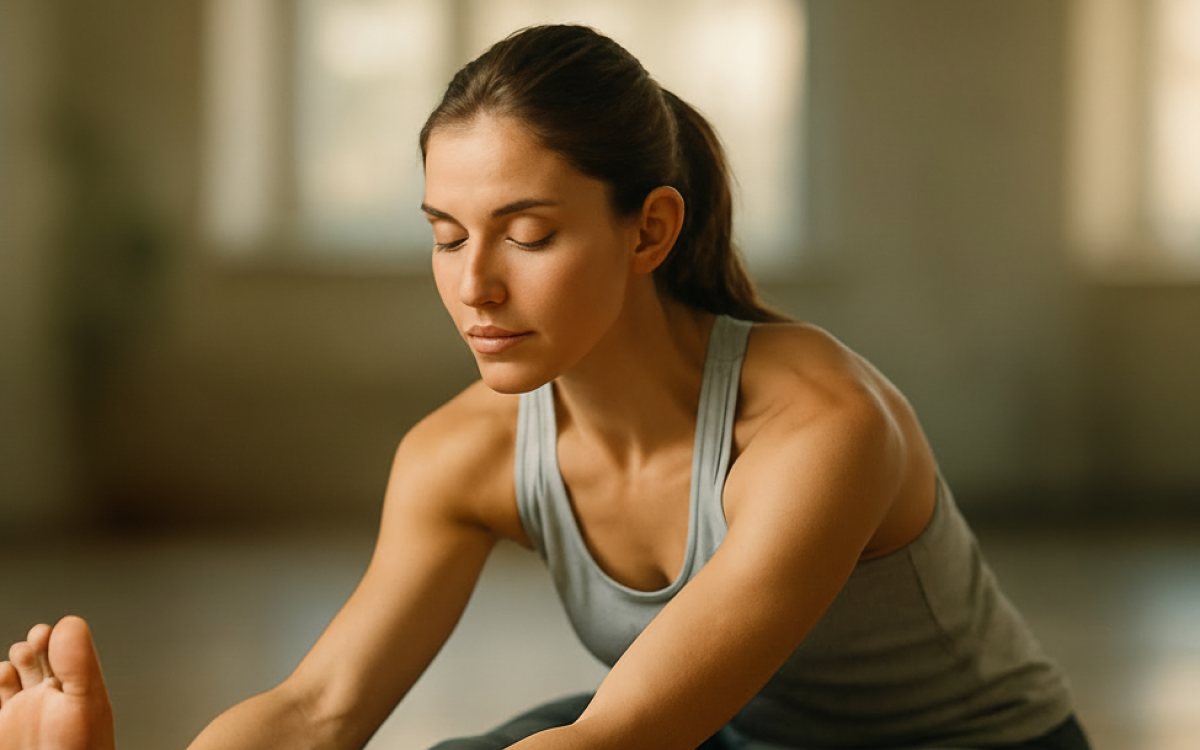
Stretching is one of the easiest forms of exercise. When done regularly, it can improve flexibility, enhance musculoskeletal health, and prevent injuries. But before diving into the exercise head-on, it’s important to properly understand when stretching is useful and when it’s not. In certain situations, such as when dealing with a strained muscle or a painful tendon, stretching can be counterproductive. Knowing the benefits and limitations of stretching and doing it under professional guidance is recommended.
Benefits of stretching
Reduces muscle stiffness
Stretching lengthens the muscles and increases their flexibility. This, in turn, improves the range of motion, making it easier to perform routine tasks that require reaching and bending. It also prevents undue straining or tearing of the muscles, reducing the risk of injury. Since age naturally causes the muscles to lose flexibility, seniors should especially consider stretching more often.
Improves posture
Poor posture can lead to neck and back pain, tension headaches, and rounded shoulders. It can also lead to more severe musculoskeletal issues, such as nerve compression and herniated discs. Stretching is one of the best ways to improve posture. Stretches that focus on the hips, shoulders, and the back of the neck maintain the spine’s neutral position and reverse any “hunch” caused by sitting for several hours every day.
Boosts joint health
Stretching stimulates the production and circulation of synovial fluid—a thick, gel-like substance that reduces friction—in the joints. This keeps the joints lubricated, allowing smooth, pain-free movement. Stretching also strengthens the joints, making it easier to lift and carry objects. Joints like shoulders, knees, and hips particularly require stretching because they act as key hinges and pivot points for daily movement.
Improves circulation
Stretching improves blood flow to joints and muscles throughout the body. With enhanced blood circulation, oxygen and nutrient supply also improve. Improved oxygen supply is especially important after workouts, as it ensures faster recovery, reduced muscle soreness and tightness, and improved mental clarity. Individuals should consider stretching after workouts, especially if it has been a long time since their last session.
Limitations of stretching
May reduce performance before a training session
Stretches loosen muscles and their related tendons, reducing their performance and increasing the risk of injury. That’s why stretching before training sessions or sporting events is not recommended. It’s better to dedicate time to activities like stretching, mobility flows, and yoga during the week, rather than right before intense physical activity.
May worsen the pain caused by agitated and irritated tendons
Many individuals try to relieve body pain with stretching. This might not always be a good idea, especially when an inflamed tendon is the source of the pain. Stretching only provides temporary relief in this case. The pain can return later and be more severe than before.
Hip pain caused by irritation of the gluteal tendons or the hamstrings is one scenario in which stretching should especially be avoided. This is because muscles and tendons, when stretched, can become more irritated because of compression and relaxation. It’s advisable to work with a licensed physiotherapist to gradually manage the pain and strengthen the muscles and tendons.
May aggravate a sore neck
Individuals often stretch their neck when experiencing neck pain. But neck stretches help only when they are performed with the right technique and up to a certain limit. Stretching the neck too much can worsen the pain. It can also irritate the vertebrae, pinch nerves, or compress discs. Applying hot/cold packs, using ergonomic chairs, and stretching the neck slowly and gently are better ways to soothe a sore neck.