Home | Diet for glowing skin naturally
7 foods that promote glowing skin
Health

7 foods that promote glowing skin

Multiple factors influence skin health, and no single product or procedure can singlehandedly protect or improve an individual’s skin. It is important to balance these with healthy meals, stress-management techniques, adequate sleep, and good lifestyle habits. A balanced, nutrient-dense meal plan can significantly contribute to glowing skin. There are various foods to consider, but it is important to consult a nutritionist to determine the best option for an individual’s unique situation. 7 foods for glowing skin Avocado Avocados serve as a nutritional powerhouse, providing essential macronutrients that nourish the skin from within, promoting elasticity and a youthful complexion. They are high in Vitamins E and C, two antioxidants that help keep skin radiant. The alligator pear also contains compounds that maintain hydration and reduce inflammation. Individuals can incorporate avocados into their routine through smoothies, salads, or toasts. They can also mash and mix the fruit with honey to create a face mask for glowing skin. Bell pepper Bell peppers are an excellent source of vitamin C. This antioxidant helps fight oxidative stress and damage caused by free radicals. Just half a cup of bell pepper alone can help meet a person’s daily vitamin C requirements. Vitamin C also protects a person’s skin against UV exposure and speeds up wound healing.
Read More
Popular Articles

7 ways to lower cholesterol naturally

7 ways to lower cholesterol naturally

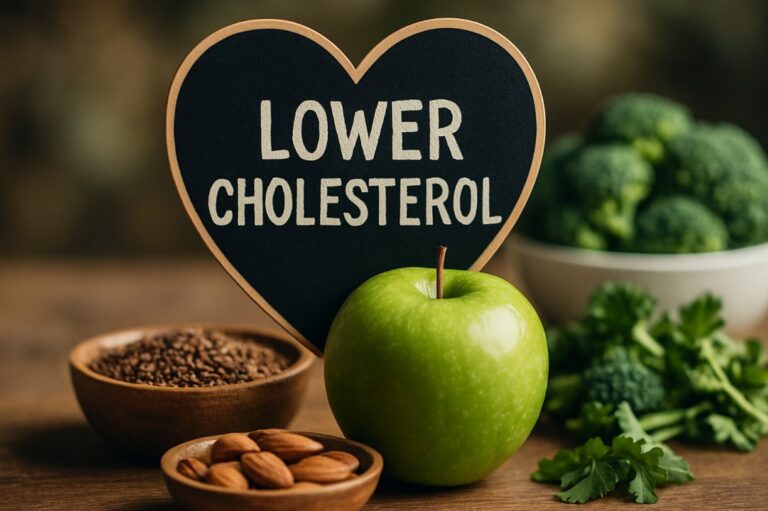
Cholesterol performs many important roles in the body. For instance, it helps cells maintain their structure, aids in producing hormones, balances vitamin D levels, and supports digestion. That said, too much cholesterol can increase the risk of various health conditions, including heart disease. Fortunately, one can lower cholesterol levels naturally to a certain extent by making healthier lifestyle choices, such as eating the right foods and exercising. Eat more plant-based foods Plant-based foods, such as vegetables, fruits, beans, lentils, and whole grains, are packed with nutrients that help lower cholesterol levels naturally. They are also good sources of essential vitamins, minerals, and antioxidants that help reduce inflammation caused by high cholesterol. There are many ways to incorporate plant-based foods into meals. For instance, one can prepare stir-fried vegetables and veggie-packed bowls or simply add beans and lentils to chili, tacos, and soups. Besides helping lower cholesterol, these plant-based foods add a dash of color to the plate, making meals feel more appetizing.  Choose healthy fats over saturated fats Saturated and trans fats increase cholesterol in the body. On the other hand, unsaturated fats support better cholesterol balance. One way to include more unsaturated fats in meals is to cook with olive, avocado, sunflower seed, or canola oil instead of butter or shortening.
Read More
Role of hydration, sleep, and movement in immunity regulation

Role of hydration, sleep, and movement in immunity regulation

Three key elements that contribute to immune health are sleep, hydration, and physical activity. Hydration is essential for survival, migration, and responses of immune cells to harmful microbes, while quality sleep supports the creation and regulation of immune cells that fight infection and inflammation. On the other hand, physical activity enhances immune function and reduces the risk of chronic inflammation. Together, these three elements, along with some immunity and wellness basics, can enhance a person’s disease-fighting mechanisms. Role of hydration in strengthening the immune system White blood cells, like other cells in the body, require enough hydration to function normally. A consistent supply of water enables these cells to survive and perform their respective functions. Hydration and the lymphatic system are closely linked. Lymphatic fluid can move only through water, and this fluid actively looks for pathogens and other harmful microbes before eliminating them. Drinking enough water keeps this fluid in motion. Water also helps facilitate the transport of white blood cells to various parts of the body, enabling them to fight against bacteria and viruses. Several studies have shown that even mild dehydration (losing 1-2% of body water) can impair immune response and cognitive function. Additionally, there’s a direct correlation between inadequate water intake and reduced immune cell counts and gut health issues, which are linked to impaired T-cell function in the gut.
Read More
Common magnesium-rich foods to improve sleep quality

Common magnesium-rich foods to improve sleep quality

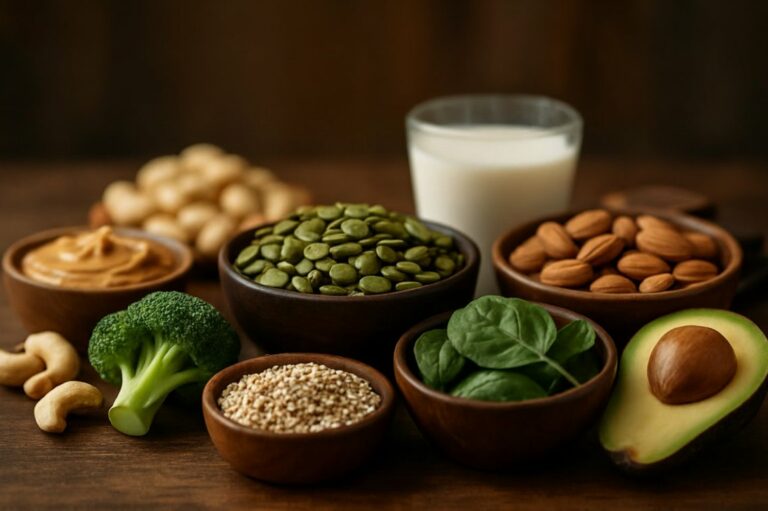
The human body requires certain minerals to support bodily functions. One such mineral is magnesium. It supports sleep by soothing the nervous system, relaxing muscles, and regulating hormones during rest. It also facilitates the release of GABA, a neurotransmitter that promotes calmness and eases tension. However, many people struggle with magnesium deficiency, leading to poor sleep quality and increased stress levels. In such cases, including magnesium-rich foods can enhance sleep quality, lower stress, and improve muscle movement. Pumpkin seeds These seeds, also known as pepitas, are a solid natural source of magnesium. A single cup of dried pumpkin seeds contains as much as 792 mg of magnesium, as per the USDA statistics. Even consuming a quarter cup of these seeds can help in meeting one’s daily magnesium needs. These seeds can be consumed in different ways. One can eat the seeds raw or roast them to enhance flavor. Alternatively, they can be eaten as a standalone snack or used as a garnish on a regular meal to add crunch and flavor. Many people often use these seeds as a topping to add extra flavor, texture, and nutrition to dishes such as yogurt, porridge, and salads. Nuts Nuts and seeds are among the richest sources of naturally occurring magnesium, even when they are consumed in small servings.
Read More
Inflammation – Types, causes, and management

Inflammation – Types, causes, and management

Inflammation is the body’s natural way of protecting itself. It is the immune system’s response to any damage, such as an injury or infection. In some cases, this response is helpful and is short-lived. However, when inflammation persists, it can do more harm than good. That’s why one should understand inflammation and take appropriate measures to address it. A good starting point is to recognize the warning signs and identify the specific nature of the issue and the underlying trigger. Types of inflammation Acute inflammation This is just the immune system’s immediate response to any injury, infection, or illness. When any of these issues occur, immune cells are sent to the affected part to start the healing process. The symptoms of acute inflammation usually include pain, redness, warmth, and swelling in the affected area, which typically last only a few hours to a few days. The redness and warmth result from increased blood flow to the area. Likewise, fluid buildup leads to swelling; it is the body’s way of protecting this area from further damage or infections, and helping it heal. That said, these symptoms may not always be present. Sometimes, one may just have a fever and weakness. Chronic inflammation It develops when the immune system remains active even when there is no immediate threat.
Read More

Trending Articles

5 healthy habits for natural detox

5 healthy habits for natural detox

The body has its own system to carry out natural detoxification. The liver functions as a filter by cleaning the blood and breaking down waste. At the same time, the kidneys flush out excess waste through urine. The lungs expel carbon dioxide, while the skin eliminates toxins through sweat during any physical activity. Additionally, the lymphatic system circulates fluids around the body to remove debris and waste. By adopting healthy habits such as drinking water, eating wholesome foods, and staying active, one can support these vital systems in natural detox. Maintain a healthy meal routine Many vegetables contain antioxidants and sulfur that support the liver’s function in processing nutrients and waste. Broccoli is one of them. It contains sulforaphane, which activates detox enzymes in the body. Another nutritious vegetable, asparagus, has glutathione that helps in managing free radicals. Beetroots, on the other hand, contain betalains that protect liver cells, and leafy greens like kale, collard greens, and spinach contain chlorophyll that binds heavy elements and expels them from the body. Additionally, artichokes are a source of cynarin that boosts bile production for the digestion of fats.  Along with these veggies, certain fruits also have detoxifying functions. Grapefruit, loaded with naringenin, helps improve enzyme activity.
Read More
5 ways to manage type 2 diabetes

5 ways to manage type 2 diabetes

Type 2 diabetes develops when the body becomes resistant to insulin, the hormone that regulates blood glucose levels. If it remains unchecked, this condition can affect the eyes, kidneys, and heart. Therefore, timely management becomes important. While healthcare plans may still be necessary, combining them with the right lifestyle changes can have a significant impact. Incorporating consistent daily habits, even small, mindful adjustments, can gradually improve the body’s response to insulin and prevent blood sugar from rising. Exercise regularly The benefits of regular exercise are no secret, and one of the most important for affected individuals is its ability to regulate blood sugar levels. Physical activity helps the body use glucose for energy, which naturally lowers the sugar levels. Additionally, regular exercise improves the body’s response to insulin, which further helps in keeping blood sugar under control. This is why maintaining an active lifestyle is an important part of lifestyle management for those with type 2 diabetes. Exercising does not necessarily mean engaging in weight training and intense workouts. Even simple activities such as brisk walking, jogging, or cycling can make a noticeable difference. The key here is to ensure that these activities are performed regularly. Even 30 minutes of physical activity a day, for at least five days a week, can help.
Read More
Common effects of stress on the body

Common effects of stress on the body

Stress is a silent, often hidden force that quietly wears the body down. While many people focus on healthy eating and daily exercise, managing stress is often ignored. Stress affects various aspects of the body, such as sleep, immune function, focus, mood, and digestion. Fortunately, it can be managed by incorporating certain practices in daily life. Knowing about the stress-related problems and addressing them can make it easier to manage their effects. Headache Some research studies have found that stress-induced headaches can result from muscle contractions. Muscle tightening can cause throbbing pain in the temples and other areas of the head. Moreover, vascular changes to the brain can lead to splitting headaches in individuals living with a high degree of stress. In many instances, stress is also known to cause migraines. And those prone to migraine episodes experience the condition’s worst symptoms when their stress levels increase. To manage stress and keep it within specific levels to avoid headaches, one can practise relaxation techniques such as meditation, rhythmic breathing, calming techniques, and deep breathing. Also, regular exercise helps produce stress-relieving hormones in the body. Stomach ache Stress can disrupt the digestive system, too. When one is under tension, the body responds in certain ways that can often affect the digestion process and the vital organs involved in metabolism.
Read More
  • About Us
  • Contact Us
  • Privacy Policy
  • Advertiser Information
  • Terms of Service

© 2026 HerbHealWellness.com. All Rights Reserved.

e