Home | Health
11 period mistakes to avoid for better health and hygiene
health

11 period mistakes to avoid for better health and hygiene

Periods tend to be synonymous with menstrual pain, cramps, and other symptoms and are a hassle for almost every individual who menstruates. Approximately 80% of menstruating individuals experience period pain at some point. Period management involves several effective strategies and home remedies to alleviate discomfort and ensure hygiene and safety during this time. In addition, being aware of certain common period mistakes can help ensure a more hassle-free menstrual cycle: Changing pads and tampons infrequently Tampons and pads are a hotbed for the accumulation of bacteria, regardless of the amount of flow. Such bacteria can cause vaginal and urinary infections and emit an unpleasant odor. Individuals with normal blood flow should change their pads or tampons once every 3-4 hours, while those experiencing heavy menstruation should do so more frequently. Being dehydrated The body loses more fluids during menstruation than on other days. Thus, it requires more water to perform various functions, including regulation of body temperature and bowel movements, lubrication of joints, and supply of oxygen and nutrients to cells. Lack of water intake can slow down these functions, increasing weakness and fatigue. It is advisable to have a bottle of water handy throughout the day and set reminders if required to take water breaks frequently during one’s period.
Read More

6 useful period products for women
health

6 useful period products for women

Menstruation is a natural body process where the lining of a woman’s uterus begins to shed and create a discharge of blood and other fluids. It is mainly triggered by hormone changes that occur as part of a monthly period cycle. Women can use several feminine hygiene products as per their preference to prevent the discharge from leaking. Here are the top six period products readily available in the market. Tampons Tampons are the most convenient, readily available, and widely used period products for absorbing menstrual discharge. These small cotton tubes mixed with wool are directly inserted into the vagina to prevent blood from leaking out. Cotton is an excellent absorbent material and does not irritate the organ’s lining. Tampons are use-and-throw products that come with applicators that help insert them correctly so one does not feel pain or discomfort. They are available in different sizes to absorb light, medium, or heavy periods, depending on the intensity of the menstrual cycle. But irrespective of the flow, doctors recommend changing tampons every four to six hours to keep the area clean and avoid the risk of a bacterial infection. If one wears a super-absorbent, heavy-flow tampon overnight, they should remove it and clean the area first thing in the morning.
Read More
Foods and Beverages to Avoid Before Flying
health

Foods and Beverages to Avoid Before Flying

Dealing with an upset stomach is one of the common concerns most travelers have while boarding a long-haul flight. Whether a person is traveling domestically or internationally, it is common to have an upset stomach, and sometimes, the symptoms may flare up, making it embarrassing for travelers to explain. To avoid such challenging scenarios and prevent health complications, here are some common foods and beverages to avoid having before boarding flights. Dairy products Long-haul flights, lasting more than 6 hours, can negatively affect one’s digestive system. Nausea, vomiting, and diarrhea are some common issues people experience with an upset stomach. It happens because the stomach contents get churned up with changes in altitude and cabin pressure. Furthermore, people who are lactose intolerant won’t be able to digest the sugars found in dairy entirely. This indigestion will lead to gas and bloating. Therefore, avoiding consuming dairy products on or before boarding a long-haul flight is best. Travelers must avoid fatty milk, cheese, milk curds, baked goods, and processed snacks made with milk or yogurt as the main ingredients before taking a flight. Cruciferous vegetables Broccoli, cauliflower, Brussels sprouts, and cabbage may be nutrient-dense. However, avoiding these items before boarding a flight is advised, mainly because these vegetables can cause gas.
Read More
Common Foods that Cause Tooth Decay
health

Common Foods that Cause Tooth Decay

Certain foods have a significant impact on teeth and gums. Some foods promote healthy gums, while others cause plaque buildup. Plaque is a sticky film of bacteria that can cause tooth decay and enamel erosion and lead to the development of cavities. This causes several complications, such as pain, chewing problems, and tooth abscesses. Here are the top foods that can hamper oral health and must be avoided at all costs. Sour candies It’s no surprise that candies cause tooth damage. However, sour candies contain several different acids that adversely affect your teeth. They are also chewy and sticky, which means they stay around in your mouth for a longer period, causing more damage. If you are keen on having something sweet, opt for a softer piece of chocolate that you can chew and ingest quickly and wash off any remnants from your mouth. Bread Refined carbohydrates such as white bread and white rice can worsen oral health. When we chew on these starches, the saliva converts them into sugar, which can get stuck between the teeth and cause cavities. If you’re looking for carbohydrates, opt for whole wheat bread, as they typically contain fewer added sugars. Carbonated beverages Sugary, carbonated drinks like soda and sports beverages have several negative effects on one’s health, such as cardiovascular disease, insulin resistance, and more.
Read More
Achieving Healthy Skin – Top 10 Skincare Myths Debunked
health

Achieving Healthy Skin – Top 10 Skincare Myths Debunked

Many people wish for healthy and glowing skin. However, achieving this goal is easier said than done. It requires effort, time, and money. Furthermore, today one will find the Internet filled with skincare tips and a few myths that can cause more harm than good. These myths can unnecessarily complicate one’s beauty regimen and, in some cases, even cause harm to one’s health. Keep reading to know more about these skincare myths. Popular skincare myths debunked Here are a few common skincare myths: Tight skin after cleansing equals clean skin Most people believe that the tightness of their skin after cleansing their face means clean skin. However, this skincare myth is far from the truth. This sensation of dryness is a negative sign. It indicates that the skin has been stripped of the necessary moisture and nutrients that are needed to keep it healthy and glowing. Furthermore, using common soaps can disrupt the pH level of the skin, leading to disruption of the skin barrier and skin damage. Hence, as an alternative, experts recommend using oil-based cleansers to keep the skin supple. The order of skincare products does not matter Although most people use several skincare products, such as cleansers, moisturizers, and toners, every day, sometimes they use them in the wrong order.
Read More
Avoid These 10 New-parent Mistakes
health

Avoid These 10 New-parent Mistakes

Bringing home a newborn baby is a nerve-racking ordeal for first-time parents. They are worried about everything that is necessary to plan and follow. Even with all the help and guidance provided by friends and family members, new parents can forget about a few things that are necessary for taking good care of their child. Here are ten mistakes to avoid while taking care of the toddler at home. Not buying a car seat It is mandatory and required by law in many states to install a baby car seat. So have the seat installed weeks in advance and take the car for a few trial runs to see if everything works for the car seat as advertised. This is a critical piece of upgrade that ensures total safety. Car seats are not only comfortable but specially designed to ensure the baby stays secure and doesn’t sway too much when the car is moving. Panicking unnecessarily Newborns will cry, and they will fuss about every single thing at home. The infant is getting used to everything in and around the new home. So, it’s perfectly okay for the baby to make a fuss. And first-time parents don’t have to be anxious or nervous around their baby all the time.
Read More
10 Surprising Foods for Improved Sleep Quality
health

10 Surprising Foods for Improved Sleep Quality

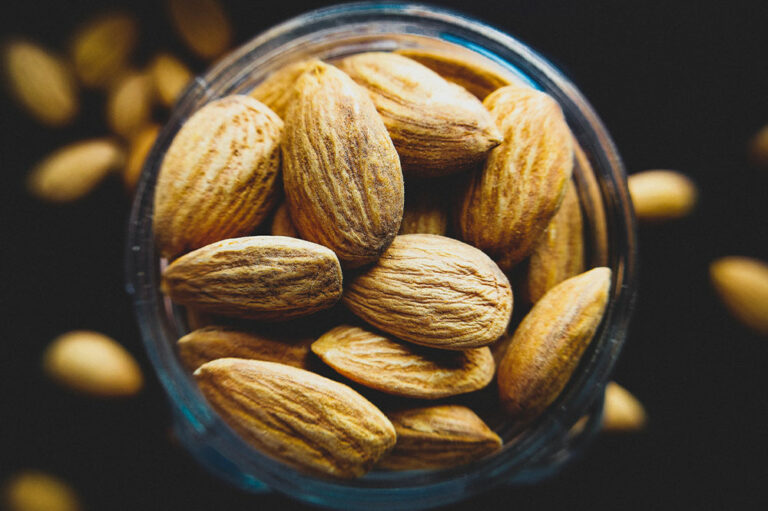
Quality sleep is important for maintaining one’s overall health. Good sleep can reduce the risk of developing chronic illnesses and boost immunity. The general recommendation for healthy adults is between 7 to 9 hours of uninterrupted sleep. However, many people may struggle to achieve this. This can result from several lifestyle factors impacting sleep, and food is one of them. Check out these ten surprising foods that can enhance one’s sleep quality. Almonds Almonds are a healthy source of phosphorus, riboflavin, magnesium, and manganese. Regular consumption of almonds has been associated with reduced risk of chronic diseases such as type-2 diabetes and heart conditions due to their fiber, antioxidant, and monounsaturated (healthy) fat content. Almonds are also a source of melatonin, which helps regulate the internal body clock and signals the body to prepare for sleep. Although there aren’t detailed studies available linking almonds with sleep, their melatonin and magnesium content is generally attributed to improved sleep quality. Turkey Lean white meats such as chicken and turkey contain tryptophan, an amino acid that is found in certain proteins. Tryptophan helps the body produce serotonin, which can help stabilize one’s mood and sleep cycle. Serotonin is also vital for producing melatonin, an important hormone for regulating one’s sleep.
Read More
14 Tips for Naturally Sparkling Eyes
health

14 Tips for Naturally Sparkling Eyes

No matter your age, your eyes are the most expressive part of your face. They are often perceived as a reflection of your health and mood. The contrast between the color of your iris and its white backdrop grants your eyes a sense of brightness, excitement, and health. Taking good care of your eyes can highlight this contrast and make your eyes sparkle. So, here are ten tips that may help do the same: Avoid prolonged exposure to dry air Air can be arid in high altitudes, in deserted climates, and on airplanes. It is essential to avoid these areas or use a humidifier when possible. You can also be exposed to dry air when riding a motorcycle or using hair dryers or car heaters that blow wind directly into your eyes. Avoiding prolonged exposure to dry air and keeping yourself hydrated can prevent your eyes from getting itchy and red. Use green tea bags Placing cooled green tea bags on your eyelids can help you reduce swelling and discomfort, mainly if you deal with puffy or irritated eyes. This is because of polyphenols like Epigallocatechin gallate (EGCG), which has anti-inflammatory and antioxidant effects on the cornea. To derive the most benefits out of them, steep the tea bags in warm water.
Read More
Showing 201-208 of 330 results

Prev. 2425262728 Next

Popular Articles

5 tips to prevent and manage ulcerative colitis

5 tips to prevent and manage ulcerative colitis

Ulcerative colitis is a long-term inflammatory disease that triggers inflammation and ulcers in the digestive system. It impacts the colon and rectum’s innermost lining. The symptoms are typically produced over a period rather than unexpectedly. According to the latest studies, about 1 million people have ulcerative colitis, and if left untreated, it can be crippling and cause life-threatening conditions. So, here are 5 tips to prevent and manage ulcerative colitis: Get on with the treatment plan immediately Even though there is no concrete cure for ulcerative colitis, proper treatment can help ease the symptoms and signs of the condition and eventually provide long-term remission. If a patient feels that their bowel habits are consistently changing or if they experience any of the following symptoms and signs, they should immediately consult a doctor: Blood in stool Ongoing diarrhea that is not getting cured by any other types of treatments An unknown fever going on for more than a day or two Abdominal pain Diarrhea that wakes up the patient from sleep The treatments prescribed by the doctor will typically include a combination of oral therapy or surgery. As far as oral treatments are concerned, the doctor may prescribe any of the following types of therapies, depending on the patient’s existing condition:
Read More
3 common types of soaps that trigger eczema flareups

3 common types of soaps that trigger eczema flareups

Atopic dermatitis or eczema is a skin disease that makes the skin reddish, inflamed, and itchy because of specific triggers. It can affect any body part and appear anywhere on the skin. The most common symptoms are dryness, bumps, rashes, redness, and peeling of the skin. Despite being one of the most typical forms of atopic dermatitis, there is no such common definite cause; however, particular triggers cause eczema flareups, including specific kinds of soaps. Soaps and eczema flareups When eczema triggers, most of the time, it makes its appearance in certain typical parts of the body. These include behind the knee areas, hands, and feet. Some of the most common triggers of eczema flareups include household cleaners containing specific chemicals, and, most notably, soaps. However, the experience of eczema won’t be the same for everyone. One of the most typical symptoms is dry skin, where the soap’s role becomes significant. It is a pretty well-known fact that using soaps makes one’s skin dry. This happens because of specific harsh chemicals that swipe off moisture from one’s skin. These chemicals can also trigger severe irritation and reactions, specifically if the skin is too sensitive or if one is suffering from eczema.
Read More
3 effective ways to manage multiple myeloma

3 effective ways to manage multiple myeloma

Multiple myeloma is a type of cancer that affects the plasma cells in the bone marrow. Here, cancerous cells begin accumulating in the bone marrow and outnumber the healthy cells. This leads to huge amounts of unwanted proteins rather than helpful antibodies. About 34,000 adults in the country are estimated to be affected by this condition in 2022. However, the disease can be managed through the following treatment options, foods, and lifestyle changes: Treatment options Multiple myeloma does not have a permanent cure, but the disease and its symptoms can be managed with the right treatment. Doctors may recommend immunotherapy to treat this blood-related condition. Immunotherapy This is a treatment method that empowers the patient’s immune system to fight cancerous cells. It is a biological therapy where certain substances derived from living beings are used for the treatment. Here are a few options: CAR T-cell therapy: This is a form of immunotherapy prescribed for multiple myeloma patients. This works on the T-cells (a white blood cell type), stimulating them to fight cancerous growth. The therapy involves drawing blood from the patient and adding chimeric antigen receptors (or CARs) to the blood, helping the T-cells target certain cancerous cell antigens. The CAR T-cells are then infused into the blood of the patient.
Read More
4 essential vitamins for optimum eye health

4 essential vitamins for optimum eye health

The eyes are complex organs and need a variety of nutrients to function optimally. Many common health conditions like glaucoma, cataracts, age-related macular degeneration, diabetic retinopathy, and others can negatively affect our eyes, which may lead up to a complete loss of vision. While some conditions like moderate astigmatism can be corrected using contact lenses or eye lenses, others can be prevented by consuming a healthy dose of these 4 vitamins: Vitamin A Vitamin A deficiency is one of the most common causes of blindness globally. Vitamin A plays a crucial role in maintaining a clear cornea (outside the covering of the eye). A person with this vitamin deficiency may find their eyes not producing enough moisture to stay lubricated. It is also essential for maintaining the eyes’ light-sensing cells called photoreceptors. A deficiency of vitamin A can also lead to xerophthalmia, a progressive eye disease that begins with night blindness. Continued deficiency can lead to the drying up of the eyes and tear ducts, and softening of the cornea, resulting in irreversible blindness. To maintain eye health, it is recommended to eat vitamin-A-rich foods, like sweet potatoes, leafy greens, pumpkins, squash, bell peppers, carrots, dairy products, egg yolks, and liver.
Read More

Trending Articles

7 foods that help fight against Bronchitis

7 foods that help fight against Bronchitis

When you have bronchitis, it’s easy to overeat greasy, salty, or sugary foods to relieve the coughing, breathing, and throat pain. Alternatively, you may decide not to consume anything at all. However, you should take care and watch what you eat as refined carbs and saturated fats might impede recovery. Knowing which foods to avoid and which to eat may influence the severity of bronchitis symptoms. Here’s a list of a few items you should avoid. Foods with preservatives and additives Sulfites, a form of preservative, may aggravate bronchitis. Liquor, dried fruits, pickled foods, maraschino cherries, and lime juice all contain sulfites. Processed and quick meals frequently contain chemical additives, flavors, and colorings. Some bronchitis patients may be susceptible to or intolerant to these artificial components. Gas-forming foods Eating large meals or gas-producing foods strains the diaphragm, especially if you suffer from acid reflux. This can cause chest pains and asthma flare-ups. Beans, cabbage, carbonated beverages, onions, and fried dishes are examples of these foods. Sugar and HFCS Do you enjoy drinking sugar-laden colas? Be cautious. They can be dangerous to your health. Avoiding syrups, candies, and other sugary foods will help to relieve symptoms such as coughing, irritation, and discomfort in your lungs.
Read More
7 foods to avoid for a Crohns flare-up

7 foods to avoid for a Crohns flare-up

Crohns disease is an inflammatory condition of the gastrointestinal tract that mainly occurs in the colon and the small intestine and can affect any part of the GI tract. It causes sudden and painful symptoms such as diarrhea, fever, cramps, bloody stool, and fatigue. While food doesn’t cause Crohns, it can perhaps worsen the disease by leading to flare-ups. Here are some foods one needs to avoid if they are experiencing discomfort due to Crohns. Grains Grains contain a lot of fiber, which can worsen the symptoms of Crohns. This is because a high amount of fiber can make your intestines work harder. This makes the normal digestive process difficult, leading to abdominal pain, cramps, and even bloating. Avoid eating whole wheat bread or pasta, rye products, and barley to prevent these painful symptoms. Spicy foods Regarding the worst foods for Crohns flare-ups, spicy foods rank among the top. Most foods with spices are rich in capsaicin, which causes a burning feeling inside your mouth and stomach. These include chili, paprika, pepper, nutmeg, clove, and mustard. Capsaicin increases the level of acids in your stomach and may worsen symptoms, such as stomach cramps, diarrhea, and acidity. Fibrous fruits and vegetables Like grains, fibrous fruits and vegetables don’t get digested easily, and can cause constipation and cramps – typical symptoms of Crohns flare-ups.
Read More
Ignore these 8 foods when diagnosed with hyperkalemia

Ignore these 8 foods when diagnosed with hyperkalemia

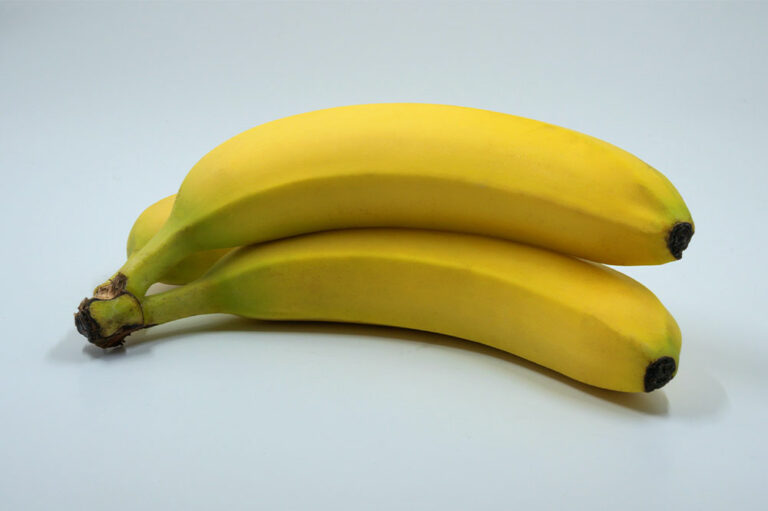
Potassium is an essential nutrient that allows your body to function optimally. A meal plan rich in potassium allows proper nerve function and regulates your heartbeat. However, certain conditions such as kidney diseases and consuming food rich in potassium excessively may increase its levels in your bloodstream leading to a condition known as hyperkalemia . Let’s look at foods you should limit to keep your potassium within normal levels. Bananas The first food that comes to mind when people think of potassium sources is bananas. One medium-sized banana contains almost 422 mg of potassium. Though it would take a lot of bananas to cause an overdose of potassium, if you are also eating other foods rich in potassium, it will lead to excessive potassium levels in your blood, which in turn, will trigger hyperkalemia . Tomato Sauce and Paste Raw tomatoes contain a decent amount of potassium. One medium tomato has about 292 mg of potassium. Concentrated forms of tomatoes, such as sauces, salsa, paste, puree, etc., contain even higher amounts of potassium. For instance, a small cup of tomato sauce contains almost 728 mg potassium. So, it is advised to skip tomato sauce and opt for alternatives such as basil or roasted red peppers.
Read More
  • About Us
  • Contact Us
  • Privacy Policy
  • Advertiser Information
  • Terms of Service

© 2025 HerbHealWellness.com. All Rights Reserved.

e