Home | Health
Common types of bone cancer and their symptoms
health

Common types of bone cancer and their symptoms

Bone cancer is one of the rarest forms of cancer. It is estimated that this type of cancer accounts for 1% of the total cases diagnosed. Although it is generally observed among children, teens, and young adults, it can develop at any age. Bone cancer can be categorized into four main groups depending on where it starts. Here are the common types and the early signs and symptoms of bone cancer. Osteosarcoma Also known as osteogenic sarcoma, this form of bone cancer is observed mostly among children and teens. But in rare cases, osteosarcoma can also occur in adulthood. It starts in the cells where new bone tissue begins to form. As a result, it directly has an effect on the hard tissues that are present around the outer layers of the bones. Furthermore, there might be rare cases when this form of bone cancer also affects the soft tissues that are present outside the bone. Thus, the cancerous cells can start to grow in any bone. But in most cases, it starts towards the end of large bones such as the legs or arms. Sometimes, osteosarcoma can also begin in other body parts, such as the shoulders and hips.
Read More

11 Foods That May Trigger Epilepsy
health

11 Foods That May Trigger Epilepsy

Epilepsy is a brain disorder that can cause recurring seizures. Today, there are different types of epilepsy where the cause of some is known, and for others, the causes haven’t been identified yet. This condition is quite common. It can affect people across genders and ethnic backgrounds. According to estimates, 1 in 26 people develop the condition. Fortunately, there are treatments available to control the seizures. This can include avoiding trigger foods. Foods that can trigger or worsen epilepsy In most cases, symptoms of epilepsy depend on the type of seizure. This is because the condition is caused due to certain activity in the brain. However, making certain lifestyle changes can help control the symptoms. Hence, here are some foods that can trigger or worsen epilepsy and its associated symptoms. Bananas While bananas have a variety of health benefits, their potassium content can cause health issues for people with epilepsy. Excessive consumption of the fruit can lead to high potassium levels in the body. This can give way to periodic seizures that can affect the quality of life of the patient. Therefore, patients are suggested to consume the fruit in fewer amounts or avoid it altogether. Coffee Caffeinated beverages like coffee and tea often trigger an overactive central nervous system ( CNS).
Read More
Avoid these 7 peeing mistakes for a healthy bladder
health

Avoid these 7 peeing mistakes for a healthy bladder

Urinating is a routine body function that helps get rid of the waste fluids in the body. Urine generally contains water, urea, creatinine, uric acid, chloride, sodium, potassium, sulfate, ammonium, phosphate, and other ions. Most people urinate around 6–7 times per day. One may not think about it, but there are wrong and right ways to pee, which can help ensure optimal bladder health. Here are seven of the most common peeing mistakes to avoid: Holding it in for too long Holding urine in can sometimes be unavoidable, such as at a concert or on a long drive. However, making a habit out of it can stretch the bladder, causing loss of bladder function and leading to urinary infections. Contrary to popular belief, urine is not sterile. It contains a microbial system. Holding pee in for too long can make one more susceptible to infections as the bacteria multiply. To protect the bladder, it is important to keep drinking enough water and urinating when one feels the urge. Not fully emptying the bladder when peeing Sometimes, when one is in a rush, they may not fully empty their bladder. This stretches the bladder and also increases the risk of infections.
Read More
11 Superfoods to Reduce Cholesterol Levels
health

11 Superfoods to Reduce Cholesterol Levels

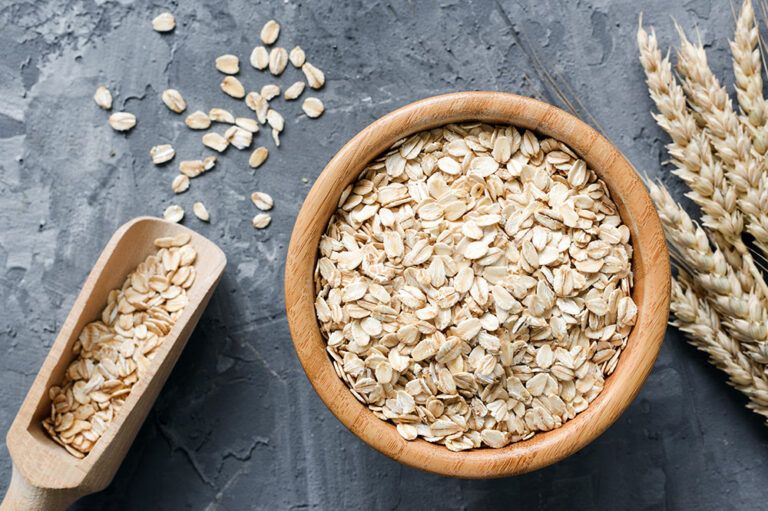
The human body requires cholesterol to process hormones, Vitamin D, and digestion. But letting it accumulate in the body can lead to clogged arteries and health issues like heart attack. High blood pressure, diabetes, chest pain, or experiencing pain while walking are signs that show one’s cholesterol levels are too high. One way to maintain healthy cholesterol levels is to eat nutrient-rich food. Here are some superfoods for maintaining a healthy cholesterol level. Types of cholesterol There are mainly two types of cholesterol; LDL and HDL. LDL (low-density lipoprotein) is considered “bad” cholesterol since it clogs the blood vessels with plaque. The HDL (high-density lipoprotein), on the other hand, or the “good” cholesterol, helps carry and eliminate the LDL and regulate bodily functions. One way to ensure the bloodstream has lower levels of harmful LDL is to eat the right foods. Besides food, age can be another factor that can increase one’s cholesterol levels. With age, metabolism slows down, which can impact one’s processing of nutrients. Similarly, a family history of high blood cholesterol can also make one vulnerable to developing the condition. Superfoods to eat to lower cholesterol Oats Being one of the powerhouses of soluble fiber, oats are an excellent breakfast option for those with high cholesterol.
Read More
Foods That Help Manage Seizures
health

Foods That Help Manage Seizures

A seizure is a sudden increase in electrical activity between brain cells. The phenomenon leads to temporary abnormalities in muscle tone or movements, sensations, behavior, or states of awareness. Seizures usually occur due to a range of health complications, including infections and tumors. The symptoms are controllable with the right prescriptions. However, maintaining a healthy meal plan alongside ongoing treatments can improve brain health and reduce potential health complications that may lead to seizures. Spinach Introducing spinach to daily meals is one of the best ways to improve brain health. The leafy green is abundant in an antioxidant called lutein, which helps cleanse harmful substances from the brain and prevents age-related mental decline. The vegetable is also rich in magnesium, essential for managing muscle and nerve function. Moreover, spinach is rich in B vitamins, vitamin K, vitamin E, folate, and L-tyrosine, which are known to improve memory and mental focus. Blueberries Each type of berry, such as blueberries, packs antioxidants and anti-inflammatory properties essential for the brain. The berry contains polyphenols, a group of compounds that include anthocyanins. While the property gives the berry its blue/black hue, it is also associated with improved brain health. Anthocyanins are said to reduce inflammation, help neurons communicate better, and regulate how the brain utilizes glucose for energy.
Read More
13 foods that relieve ulcerative colitis flare-ups
health

13 foods that relieve ulcerative colitis flare-ups

Ulcerative Colitis (UC) is a chronic Inflammatory Bowel Disease (IBD) that can develop at any age. Although the cause of UC isn’t clear, experts think factors like genes, abnormal immune reactions, the gut biome, and environmental factors play an important role. To manage UC, one must identify and eliminate foods that trigger symptoms. Although there is no single recommended nutritional plan for people with the condition, the following foods may help manage the condition: Salmon Fatty fish like salmon are an excellent source of omega-3 fatty acids and protein. The fatty acids can help reduce inflammation one experiences with UC, while the protein can help during healing. When cooking salmon, it is advisable to bake, broil, or saute it, instead of frying, to ensure it keeps its nutritional value. Other rich sources of omega-3 fatty acids include tuna, shrimp, and mackerel. Yogurt Yogurt is a rich source of probiotics that contain gut-healthy bacteria. They can help in the digestive process, strengthen the immune system, and ease the symptoms of UC. Since yogurt is made from milk, it is also a rich source of calcium and can protect the bones against conditions such as osteoporosis. When buying yogurt, opt for plain, unsweetened yogurt.
Read More
7 breathing mistakes to avoid for optimal lung health
health

7 breathing mistakes to avoid for optimal lung health

Many of us are unknowingly making breathing mistakes, and these could significantly impact our lung capacity and health. Many of us are used to breathing in a way that negatively impacts our respiratory system. Factors like poor posture, breathing through the mouth, and other similar habits can significantly impact our health. To avoid any adverse effects, it is essential to understand and rectify these mistakes for a fuller breath and a healthier set of lungs. Breathing through the mouth Constantly breathing through the mouth is another mistake you need to work on avoiding for healthy lungs. Did you know studies have found that up to 50% of adults breathe through their mouths? The possibility is higher during the morning than at night. It might not be risky in small portions, but if you constantly breathe through your mouth, you must retrain yourself. The nose can filter out toxins, irritants, and other items that are best kept away from the respiratory tract. It also humidifies the air making things easier for the lungs. When breathing through the mouth, you increase the chances of experiencing dry mouth, which can increase the risk of asthma and trigger its symptoms. If you are someone who has learned to breathe through the mouth because your nose is overly congested, you still need to visit the doctor and get it checked.
Read More
8 common breathing mistakes to avoid
health

8 common breathing mistakes to avoid

Breathing is such an involuntary and automatic process that one forgets that, unlike heartbeats, they can control and manage their breathing. One should usually breathe 12 to 20 times per minute. In addition to this, there are other essential things that one needs to be mindful of while breathing. Most people do not think twice about how they breathe, but the following mistakes can affect overall health in the long run: Breathing through the mouth One is supposed to breathe in oxygen through the nose and breathe out carbon dioxide using the mouth. However, breathing through the mouth can affect respiratory health as this does not allow the nose to carry out its functions. The nose is an incredibly complex organ with about 20 functions that actively aid breathing. Some of these are trapping dust particles and pollen grains, steadying the airflow, humidifying the air as it moves toward the lungs, assisting the diaphragm, and producing nitric oxide. By breathing through the mouth, one does not let the nose filter dust and other allergens. Additionally, one tends to breathe in about 2 to 3 times more oxygen than the required amount when breathing with their mouth. Breathing too fast Rapid breathing may seem harmless, but it is one of the common breathing mistakes that can wear out the lungs.
Read More
Showing 209-216 of 330 results

Prev. 2526272829 Next

Popular Articles

5 tips to prevent and manage ulcerative colitis

5 tips to prevent and manage ulcerative colitis

Ulcerative colitis is a long-term inflammatory disease that triggers inflammation and ulcers in the digestive system. It impacts the colon and rectum’s innermost lining. The symptoms are typically produced over a period rather than unexpectedly. According to the latest studies, about 1 million people have ulcerative colitis, and if left untreated, it can be crippling and cause life-threatening conditions. So, here are 5 tips to prevent and manage ulcerative colitis: Get on with the treatment plan immediately Even though there is no concrete cure for ulcerative colitis, proper treatment can help ease the symptoms and signs of the condition and eventually provide long-term remission. If a patient feels that their bowel habits are consistently changing or if they experience any of the following symptoms and signs, they should immediately consult a doctor: Blood in stool Ongoing diarrhea that is not getting cured by any other types of treatments An unknown fever going on for more than a day or two Abdominal pain Diarrhea that wakes up the patient from sleep The treatments prescribed by the doctor will typically include a combination of oral therapy or surgery. As far as oral treatments are concerned, the doctor may prescribe any of the following types of therapies, depending on the patient’s existing condition:
Read More
3 common types of soaps that trigger eczema flareups

3 common types of soaps that trigger eczema flareups

Atopic dermatitis or eczema is a skin disease that makes the skin reddish, inflamed, and itchy because of specific triggers. It can affect any body part and appear anywhere on the skin. The most common symptoms are dryness, bumps, rashes, redness, and peeling of the skin. Despite being one of the most typical forms of atopic dermatitis, there is no such common definite cause; however, particular triggers cause eczema flareups, including specific kinds of soaps. Soaps and eczema flareups When eczema triggers, most of the time, it makes its appearance in certain typical parts of the body. These include behind the knee areas, hands, and feet. Some of the most common triggers of eczema flareups include household cleaners containing specific chemicals, and, most notably, soaps. However, the experience of eczema won’t be the same for everyone. One of the most typical symptoms is dry skin, where the soap’s role becomes significant. It is a pretty well-known fact that using soaps makes one’s skin dry. This happens because of specific harsh chemicals that swipe off moisture from one’s skin. These chemicals can also trigger severe irritation and reactions, specifically if the skin is too sensitive or if one is suffering from eczema.
Read More
3 effective ways to manage multiple myeloma

3 effective ways to manage multiple myeloma

Multiple myeloma is a type of cancer that affects the plasma cells in the bone marrow. Here, cancerous cells begin accumulating in the bone marrow and outnumber the healthy cells. This leads to huge amounts of unwanted proteins rather than helpful antibodies. About 34,000 adults in the country are estimated to be affected by this condition in 2022. However, the disease can be managed through the following treatment options, foods, and lifestyle changes: Treatment options Multiple myeloma does not have a permanent cure, but the disease and its symptoms can be managed with the right treatment. Doctors may recommend immunotherapy to treat this blood-related condition. Immunotherapy This is a treatment method that empowers the patient’s immune system to fight cancerous cells. It is a biological therapy where certain substances derived from living beings are used for the treatment. Here are a few options: CAR T-cell therapy: This is a form of immunotherapy prescribed for multiple myeloma patients. This works on the T-cells (a white blood cell type), stimulating them to fight cancerous growth. The therapy involves drawing blood from the patient and adding chimeric antigen receptors (or CARs) to the blood, helping the T-cells target certain cancerous cell antigens. The CAR T-cells are then infused into the blood of the patient.
Read More
4 essential vitamins for optimum eye health

4 essential vitamins for optimum eye health

The eyes are complex organs and need a variety of nutrients to function optimally. Many common health conditions like glaucoma, cataracts, age-related macular degeneration, diabetic retinopathy, and others can negatively affect our eyes, which may lead up to a complete loss of vision. While some conditions like moderate astigmatism can be corrected using contact lenses or eye lenses, others can be prevented by consuming a healthy dose of these 4 vitamins: Vitamin A Vitamin A deficiency is one of the most common causes of blindness globally. Vitamin A plays a crucial role in maintaining a clear cornea (outside the covering of the eye). A person with this vitamin deficiency may find their eyes not producing enough moisture to stay lubricated. It is also essential for maintaining the eyes’ light-sensing cells called photoreceptors. A deficiency of vitamin A can also lead to xerophthalmia, a progressive eye disease that begins with night blindness. Continued deficiency can lead to the drying up of the eyes and tear ducts, and softening of the cornea, resulting in irreversible blindness. To maintain eye health, it is recommended to eat vitamin-A-rich foods, like sweet potatoes, leafy greens, pumpkins, squash, bell peppers, carrots, dairy products, egg yolks, and liver.
Read More

Trending Articles

7 foods that help fight against Bronchitis

7 foods that help fight against Bronchitis

When you have bronchitis, it’s easy to overeat greasy, salty, or sugary foods to relieve the coughing, breathing, and throat pain. Alternatively, you may decide not to consume anything at all. However, you should take care and watch what you eat as refined carbs and saturated fats might impede recovery. Knowing which foods to avoid and which to eat may influence the severity of bronchitis symptoms. Here’s a list of a few items you should avoid. Foods with preservatives and additives Sulfites, a form of preservative, may aggravate bronchitis. Liquor, dried fruits, pickled foods, maraschino cherries, and lime juice all contain sulfites. Processed and quick meals frequently contain chemical additives, flavors, and colorings. Some bronchitis patients may be susceptible to or intolerant to these artificial components. Gas-forming foods Eating large meals or gas-producing foods strains the diaphragm, especially if you suffer from acid reflux. This can cause chest pains and asthma flare-ups. Beans, cabbage, carbonated beverages, onions, and fried dishes are examples of these foods. Sugar and HFCS Do you enjoy drinking sugar-laden colas? Be cautious. They can be dangerous to your health. Avoiding syrups, candies, and other sugary foods will help to relieve symptoms such as coughing, irritation, and discomfort in your lungs.
Read More
7 foods to avoid for a Crohns flare-up

7 foods to avoid for a Crohns flare-up

Crohns disease is an inflammatory condition of the gastrointestinal tract that mainly occurs in the colon and the small intestine and can affect any part of the GI tract. It causes sudden and painful symptoms such as diarrhea, fever, cramps, bloody stool, and fatigue. While food doesn’t cause Crohns, it can perhaps worsen the disease by leading to flare-ups. Here are some foods one needs to avoid if they are experiencing discomfort due to Crohns. Grains Grains contain a lot of fiber, which can worsen the symptoms of Crohns. This is because a high amount of fiber can make your intestines work harder. This makes the normal digestive process difficult, leading to abdominal pain, cramps, and even bloating. Avoid eating whole wheat bread or pasta, rye products, and barley to prevent these painful symptoms. Spicy foods Regarding the worst foods for Crohns flare-ups, spicy foods rank among the top. Most foods with spices are rich in capsaicin, which causes a burning feeling inside your mouth and stomach. These include chili, paprika, pepper, nutmeg, clove, and mustard. Capsaicin increases the level of acids in your stomach and may worsen symptoms, such as stomach cramps, diarrhea, and acidity. Fibrous fruits and vegetables Like grains, fibrous fruits and vegetables don’t get digested easily, and can cause constipation and cramps – typical symptoms of Crohns flare-ups.
Read More
Ignore these 8 foods when diagnosed with hyperkalemia

Ignore these 8 foods when diagnosed with hyperkalemia

Potassium is an essential nutrient that allows your body to function optimally. A meal plan rich in potassium allows proper nerve function and regulates your heartbeat. However, certain conditions such as kidney diseases and consuming food rich in potassium excessively may increase its levels in your bloodstream leading to a condition known as hyperkalemia . Let’s look at foods you should limit to keep your potassium within normal levels. Bananas The first food that comes to mind when people think of potassium sources is bananas. One medium-sized banana contains almost 422 mg of potassium. Though it would take a lot of bananas to cause an overdose of potassium, if you are also eating other foods rich in potassium, it will lead to excessive potassium levels in your blood, which in turn, will trigger hyperkalemia . Tomato Sauce and Paste Raw tomatoes contain a decent amount of potassium. One medium tomato has about 292 mg of potassium. Concentrated forms of tomatoes, such as sauces, salsa, paste, puree, etc., contain even higher amounts of potassium. For instance, a small cup of tomato sauce contains almost 728 mg potassium. So, it is advised to skip tomato sauce and opt for alternatives such as basil or roasted red peppers.
Read More
  • About Us
  • Contact Us
  • Privacy Policy
  • Advertiser Information
  • Terms of Service

© 2025 HerbHealWellness.com. All Rights Reserved.

e