
Foodborne Illness vs. Stomach Flu: Telling the Two Apart

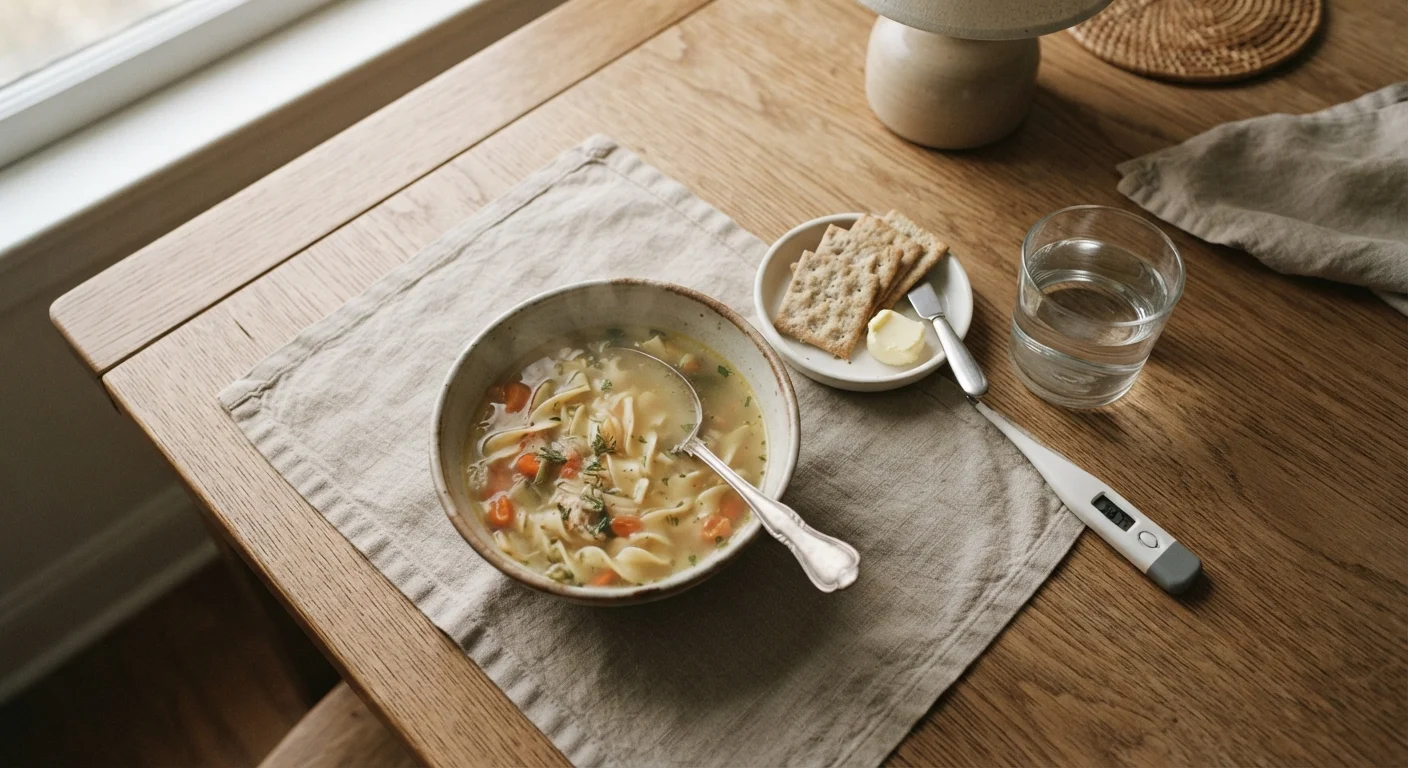
Photo: HerbHealWellness.com | Modern Guide To Wellness editorial
Key Takeaways
- Foodborne illness typically begins within hours of eating a contaminated meal, often more rapidly than viral gastroenteritis.
- Stomach flu is caused by viruses like norovirus or rotavirus and spreads through contact, not just food.
- Both conditions share core symptoms — nausea, vomiting, diarrhea — but fever is more common with viral gastroenteritis.
- Most cases of both illnesses resolve on their own with rest and hydration within a few days.
- Certain high-risk groups — young children, older adults, and immunocompromised individuals — should seek medical attention sooner.
- Identifying the correct cause matters because some foodborne pathogens require medical evaluation or specific treatment.
Same Symptoms, Different Causes
Nausea, vomiting, diarrhea, and stomach cramps — these symptoms appear in both foodborne illness and viral gastroenteritis (commonly called stomach flu), which is precisely why the two are so often confused. But knowing which one you're dealing with can guide how you respond and when to seek care.
Foodborne illness occurs when you consume food or water contaminated with bacteria, bacterial toxins, viruses, or parasites. Common culprits include Salmonella, Campylobacter, E. coli, norovirus (which can also spread through food), and toxins produced by Staphylococcus aureus. The illness is typically linked to a specific food source or meal.
Viral gastroenteritis, by contrast, is almost always caused by viruses — most commonly norovirus or rotavirus — that spread through direct contact with an infected person, contaminated surfaces, or occasionally food handled by someone who is sick. It is not caused by the influenza virus, despite the informal name "stomach flu."
Understanding why nausea occurs without vomiting in some cases may also help readers identify whether a milder GI disturbance is worth investigating further.
| Criterion | Foodborne Illness | Stomach Flu (Viral Gastroenteritis) |
|---|---|---|
| Primary cause | Bacteria, toxins, parasites, or viruses in food/water | Norovirus, rotavirus, or other enteric viruses |
| Typical onset | 30 minutes to 48 hours after eating | 12–48 hours after viral exposure |
| Transmission | Contaminated food or drink | Person-to-person contact, contaminated surfaces |
| Fever | Less common (varies by pathogen) | More commonly present |
| Duration | Hours to 1–2 days (toxin-based); up to 7+ days (bacterial) | 1–3 days (norovirus); up to 8 days (rotavirus) |
| Muscle aches | Uncommon | More common |
| Contagious? | Generally not person-to-person | Highly contagious |
Timeline and Symptom Clues
One of the most useful distinguishing factors is how quickly symptoms appear. Foodborne illness caused by preformed bacterial toxins — such as those from Staphylococcus aureus — can trigger vomiting as soon as 30 minutes to 6 hours after eating. Illnesses caused by bacterial infection (rather than toxin) may take 6 to 48 hours or longer to develop. Viral gastroenteritis typically has an incubation period of 12 to 48 hours after exposure to the virus.
Fever is another helpful clue. While some foodborne pathogens do cause fever, it is more consistently associated with viral gastroenteritis. Muscle aches and headache — flu-like symptoms — are also more common with viral illness. Foodborne illness more often presents as sudden, intense gastrointestinal distress without prominent systemic symptoms.
48 million
Estimated annual foodborne illness cases in the US
The CDC estimates approximately 48 million Americans experience foodborne illness each year, leading to roughly 128,000 hospitalizations.
19–21 million
Norovirus cases per year in the US
According to the CDC, norovirus is the leading cause of viral gastroenteritis in the United States, affecting millions across all age groups annually.
Consider who else is affected. If everyone at a dinner party who shared a dish falls ill within hours, foodborne illness is the more likely explanation. If illness spreads gradually through a household over several days — particularly without a shared food event — a contagious virus is the more probable cause.
When to Seek Medical Attention
Most cases of both foodborne illness and viral gastroenteritis are self-limiting, meaning they resolve on their own within 1 to 3 days with adequate rest and fluid intake. The priority in both cases is preventing dehydration, which can develop quickly — especially in young children, older adults, and people with compromised immune systems.
Special Populations Need Extra Care
Seek medical care promptly if you or someone in your care experiences:
- Signs of severe dehydration — extreme thirst, very dark urine, dizziness, or no urination for 8 or more hours
- Blood in stool or vomit
- High fever (above 102°F / 39°C)
- Symptoms lasting more than 3 days without improvement
- Neurological symptoms such as blurred vision or muscle weakness (which may suggest botulism, a rare but serious foodborne illness)
If you suspect a specific food source caused your illness — particularly after consuming raw shellfish, unpasteurized dairy, or food from a large gathering — informing your local health department can help prevent wider outbreaks. This is especially important if multiple people are affected.
This article is for general informational purposes only and does not constitute medical advice. Always consult a qualified healthcare professional for guidance on your specific symptoms or health situation.
The content on this site is for informational purposes only and is not a substitute for professional advice. Always consult a qualified professional for guidance specific to your situation.