
Fever Myths That Many Adults Still Believe

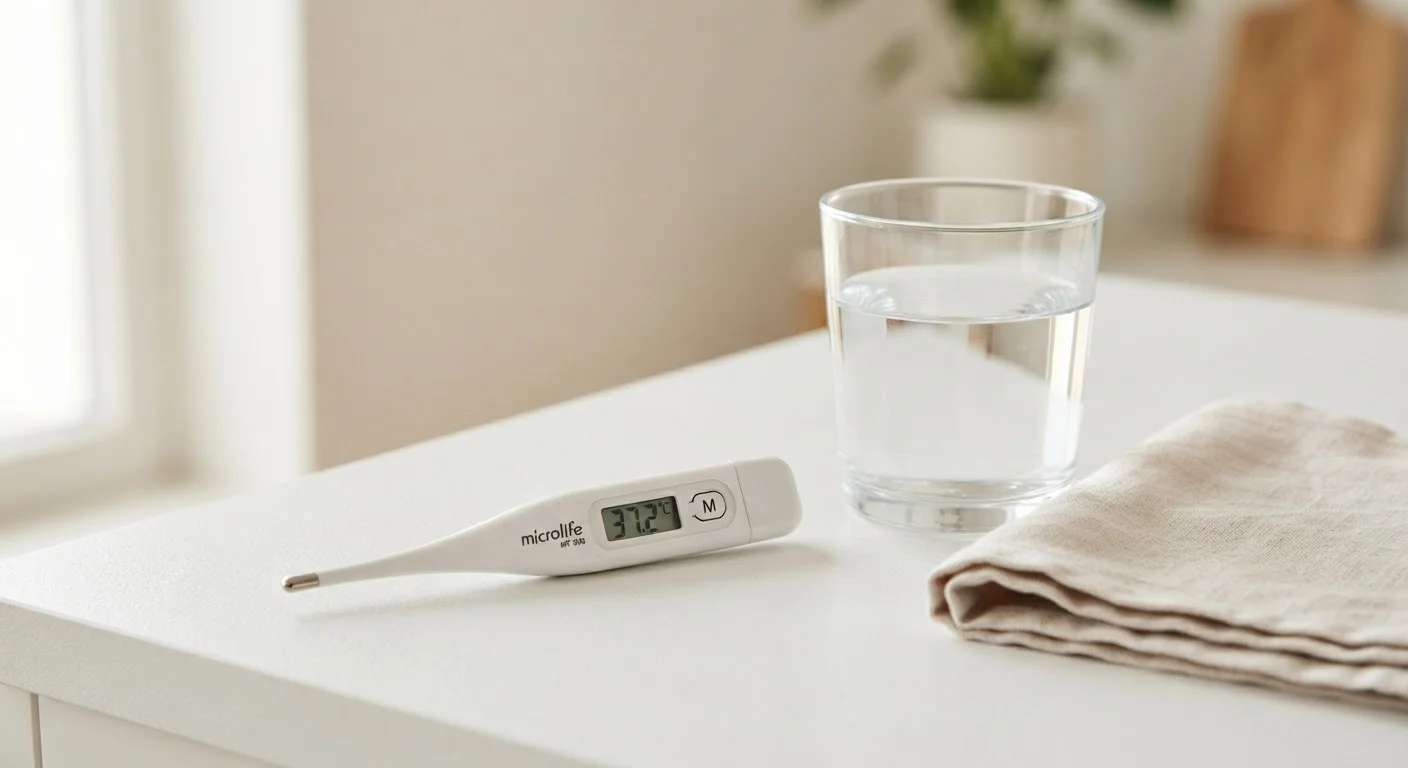
Photo: HerbHealWellness.com | Modern Guide To Wellness editorial
Key Takeaways
- A fever is generally defined as a body temperature at or above 100.4°F (38°C) in adults.
- Fever height alone does not reliably indicate how serious an illness is.
- The old 'feed a fever, starve a cold' advice lacks meaningful scientific support.
- Most low-grade fevers in healthy adults do not require medication to bring them down.
- Certain fever patterns — especially in vulnerable populations — do warrant prompt medical attention.
What a Fever Actually Is
A fever is not a disease. It is a regulated physiological response — the body's immune system deliberately raising core temperature to create a less hospitable environment for pathogens. Most clinicians define fever in adults as a core temperature at or above 100.4°F (38°C). A reading between 99°F and 100.3°F is sometimes called a low-grade fever, though definitions vary slightly by source and measurement method.
Understanding this baseline matters because many of the most persistent fever myths stem from treating fever as the threat itself, rather than as a symptom of an underlying process. As you read through these corrections, keep in mind that general information cannot substitute for a clinician's assessment of your specific situation. If you are concerned about a fever — yours or someone else's — contact a qualified healthcare professional.
For a deeper look at how fever fits into your immune system's broader response, see Fever, Chills, and Fatigue: Decoding Your Body's Response to Infection.
Common Fever Myths — Corrected
The beliefs below are among the most widely held misconceptions about fever among adults in the United States. Each has been examined against current clinical evidence.
Myth
A higher fever always means a more serious illness.
Fact
Fever height is a poor predictor of illness severity on its own. How a person looks and feels — and what other symptoms are present — matters far more.
It is intuitive to assume that a 104°F reading signals something more dangerous than a 101°F reading, but this logic does not hold consistently. A mild viral infection can produce a high spike, while some serious bacterial infections cause only modest temperature elevations. Clinicians assess fever in context — alongside vital signs, overall appearance, symptom duration, and patient history. A number on a thermometer is one data point, not a verdict.
Myth
You should always take medication to bring a fever down.
Fact
For healthy adults with mild to moderate fever, allowing the fever to run its course is often appropriate; medication is typically used for comfort, not as a medical necessity.
Fever-reducing medications such as acetaminophen or ibuprofen are widely used and generally safe when taken as directed. However, the goal of comfort is different from the goal of eliminating fever entirely. Current evidence suggests fever may actually support certain immune functions. Routine suppression of every low-grade fever in otherwise healthy adults is not universally recommended. If fever is causing significant discomfort or disrupting rest, that is a reasonable basis to consider symptom relief — but the decision should be guided by a healthcare provider for anyone with underlying health conditions.
Myth
'Feed a fever, starve a cold' is sound medical advice.
Fact
This centuries-old saying has no meaningful clinical evidence behind it. Maintaining adequate nutrition and hydration is important during both fevers and colds.
The phrase dates back at least to the 16th century and has been repeated ever since — but it is not grounded in modern physiology. When the body is fighting infection, it typically needs energy, not deprivation. Reduced appetite during illness is common and normal, but deliberately withholding food is not beneficial. Staying well hydrated is consistently supported: fever increases fluid loss through sweating, and dehydration can worsen how you feel. Eat what you can tolerate and prioritize fluids. For a broader look at how similar folk-medicine ideas hold up to scrutiny, see Infection Myths That Keep Circulating.
Myth
A fever means you need antibiotics.
Fact
Most fevers in adults are caused by viral infections, against which antibiotics are completely ineffective.
Antibiotics work against bacteria — they have no effect on viruses, which are responsible for the common cold, most cases of influenza, and many other febrile illnesses. Taking antibiotics unnecessarily contributes to antibiotic resistance and carries its own side-effect risks. A clinician can evaluate whether an infection is bacterial in origin and whether antibiotic treatment is warranted. Self-prescribing or pressuring a provider for antibiotics based on fever alone is not medically supported. Common misconceptions about how antibiotics work explores this topic in more detail.
Myth
You can accurately judge a fever by touching someone's forehead.
Fact
Skin temperature felt by hand correlates poorly with core body temperature. A thermometer is necessary for a reliable reading.
The forehead-touch method is a cultural reflex — a parent's first instinct, a partner's gesture of concern — but research consistently shows it is unreliable for detecting or estimating fever. Skin temperature is influenced by ambient temperature, sweating, and circulation, none of which necessarily reflect core temperature. For meaningful information, use a calibrated thermometer and follow the manufacturer's instructions for the measurement site, whether oral, tympanic (ear), temporal (forehead strip), or rectal.
~99–100.4°F
Normal adult temperature range
The American Academy of Family Physicians notes that normal body temperature varies by individual, time of day, and measurement site — a single number does not define "normal" for everyone.
~90%
Of acute febrile illnesses caused by viruses
Public health estimates consistently indicate that the vast majority of fever-causing infections in otherwise healthy adults are viral and self-limiting, not bacterial.
When Fever Does Warrant Attention
Correcting myths is not the same as dismissing every fever. Certain presentations call for timely medical evaluation regardless of temperature reading. These include fevers that persist beyond two to three days without improvement, fevers accompanied by a stiff neck, severe headache, difficulty breathing, chest pain, or a new rash, and any fever in adults over 65, immunocompromised individuals, or those with serious chronic conditions.
Seek Emergency Care for These Fever Signs
Infants and young children require different thresholds entirely — parents and caregivers should always follow their pediatrician's guidance rather than applying adult rules. Similarly, pregnant individuals should consult their obstetric provider about any elevated temperature, as fever in pregnancy carries distinct considerations.
Fevers that occur alongside other concerning symptoms may point to infections that range from mild and self-limiting to ones needing urgent care. Understanding Mild vs. Severe Infectious Illness can help you recognize which symptoms are routine and which signal a need for prompt attention.
Different Rules Apply to Infants and Older Adults
This article is for general informational and educational purposes only and is not a substitute for professional medical advice, diagnosis, or treatment. Always consult a qualified healthcare provider with questions about a medical condition or symptom.
The content on this site is for informational purposes only and is not a substitute for professional advice. Always consult a qualified professional for guidance specific to your situation.