
Erectile Dysfunction Is Not Just a Sexual Problem

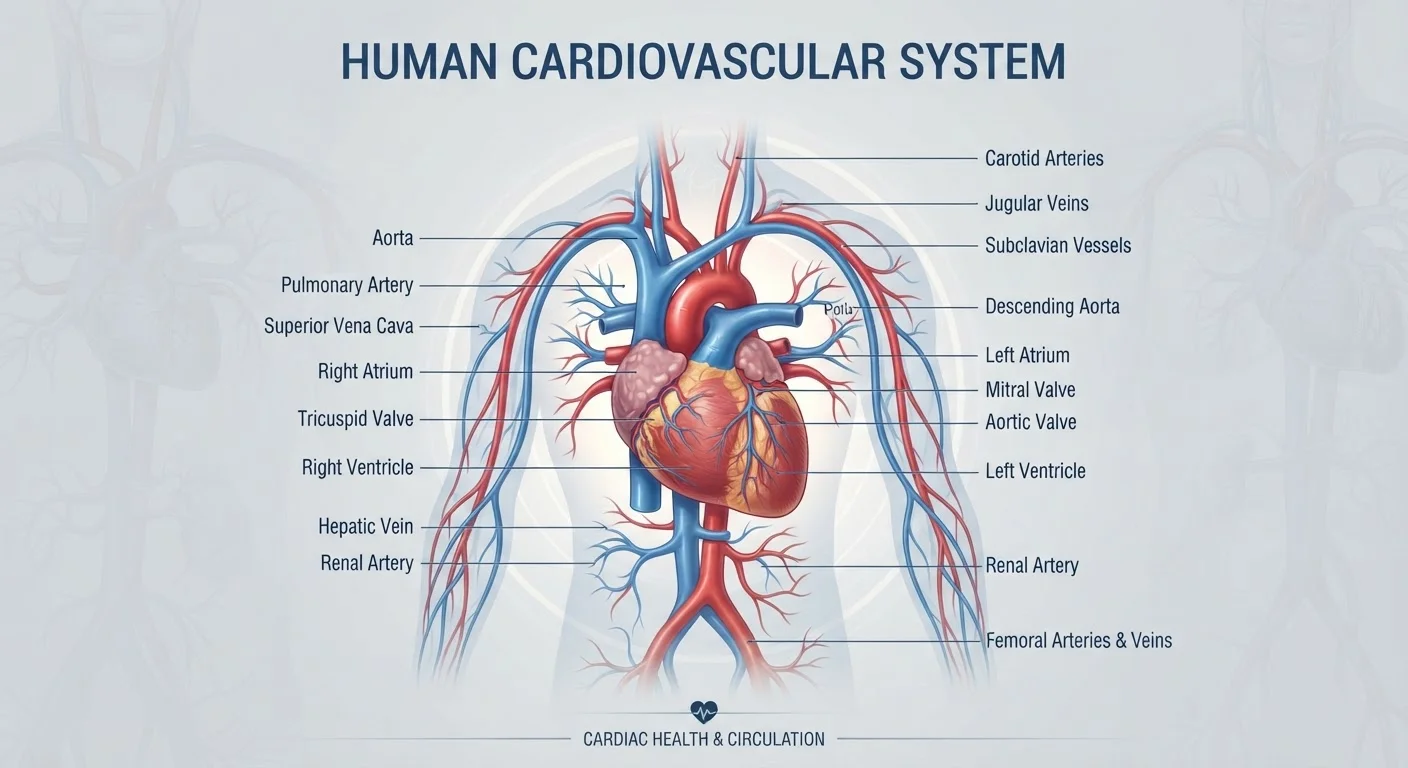
Photo: HerbHealWellness.com | Modern Guide To Wellness editorial
Key Takeaways
- ED is frequently an early indicator of cardiovascular disease, not just a bedroom problem.
- Men with ED have a significantly elevated risk of heart attack and stroke compared to men without ED.
- Hormonal imbalances, including low testosterone and thyroid dysfunction, are common contributors.
- Psychological factors like depression and chronic stress can both cause and worsen ED.
- A doctor's evaluation of ED should include blood pressure, blood sugar, and cholesterol screening.
- Treating the underlying cause — not just the symptom — leads to better long-term health outcomes.
Why ED Is a Systemic Health Signal
Most men who experience erectile dysfunction focus on the immediate frustration — and understandably so. But clinicians increasingly view ED as a window into a man's overall vascular health. The penis requires robust arterial blood flow to achieve an erection, and the small arteries supplying it are among the first to show signs of damage when the broader cardiovascular system is compromised.
This is why ED often appears three to five years before a diagnosed heart attack or stroke in some men. The penile arteries are narrower than coronary arteries, so they reveal endothelial dysfunction — the earliest stage of arterial disease — before larger vessels show obvious damage.
~40%
Men affected by ED at age 40
Prevalence increases with each decade of life, according to data from the Massachusetts Male Aging Study.
2x
Elevated cardiovascular risk in men with ED
Research published in the Journal of the American College of Cardiology found men with ED face roughly double the risk of cardiovascular events compared to men without ED.
3–5 years
ED can precede cardiac events
Clinical reviews suggest ED may present several years before a major cardiovascular event, offering a critical intervention window.
This doesn't mean every man with ED has heart disease. But it does mean that ED is a legitimate clinical signal that deserves a full workup, not just a prescription and a pat on the back.
The Hormonal and Metabolic Connection
Cardiovascular disease is not the only systemic condition linked to ED. Several hormonal and metabolic disorders share a meaningful connection:
- Low testosterone (hypogonadism): Testosterone plays a role in libido, erection quality, and overall energy. Low levels can directly impair erectile function and are more common in men with obesity, type 2 diabetes, or chronic illness.
- Type 2 diabetes: Diabetes damages both blood vessels and peripheral nerves. Neuropathy — nerve damage — is one of the reasons diabetic men have a substantially higher rate of ED compared to the general population.
- Thyroid dysfunction: Both an overactive and underactive thyroid can disrupt sexual function by altering hormone levels, energy, and mood.
- Metabolic syndrome: A cluster of conditions including abdominal obesity, high blood pressure, elevated blood sugar, and abnormal cholesterol collectively increases ED risk significantly.
Ask for a Full Workup, Not Just a Prescription
A comprehensive blood panel — including testosterone, thyroid hormones, fasting glucose, and a lipid panel — is often the first step in a proper ED evaluation.
The Mental Health Dimension
Psychological factors are a major driver of ED, particularly in men under 40. Depression, generalized anxiety disorder, performance anxiety, and relationship conflict can all interfere with the neurological pathways needed for an erection. Critically, the relationship is bidirectional: ED causes psychological distress, and that distress makes ED worse.
“Erectile dysfunction is a sentinel marker for cardiovascular disease. When a man walks in with ED, physicians should view it as an opportunity to assess — and potentially prevent — serious cardiovascular events.”
— Dr. Michael Blaha, Director of Clinical Research, Johns Hopkins Ciccarone Center for the Prevention of Cardiovascular Disease
Chronic stress elevates cortisol, which can suppress testosterone production and constrict blood vessels — both mechanisms that worsen erectile function. This means that stress management is not just good advice for productivity; it has direct physiological consequences for sexual health.
Men should feel empowered to discuss psychological contributors with their doctor or a mental health professional. Treating depression or anxiety often improves ED without any additional intervention.
What to Expect at a Medical Evaluation
If you bring up ED with a physician, a thorough evaluation typically goes well beyond the symptom itself. Expect questions about:
- How long the problem has been occurring and whether it is situational or consistent
- Sleep quality and energy levels (relevant to testosterone and sleep apnea)
- Cardiovascular risk factors — smoking, blood pressure, cholesterol, family history
- Current medications, which can include antidepressants, antihypertensives, and antihistamines that contribute to ED
Based on your history and exam, your doctor may order blood work, refer you to a cardiologist, or connect you with a urologist or mental health professional. The goal is to treat the whole person — not just the presenting complaint.
This article is for general informational purposes only and is not a substitute for professional medical advice, diagnosis, or treatment. Always consult a qualified healthcare provider with any questions you have regarding a medical condition.
Frequently Asked Questions
The content on this site is for informational purposes only and is not a substitute for professional advice. Always consult a qualified professional for guidance specific to your situation.