
The Link Between Sleep Apnoea and Men's Health Conditions

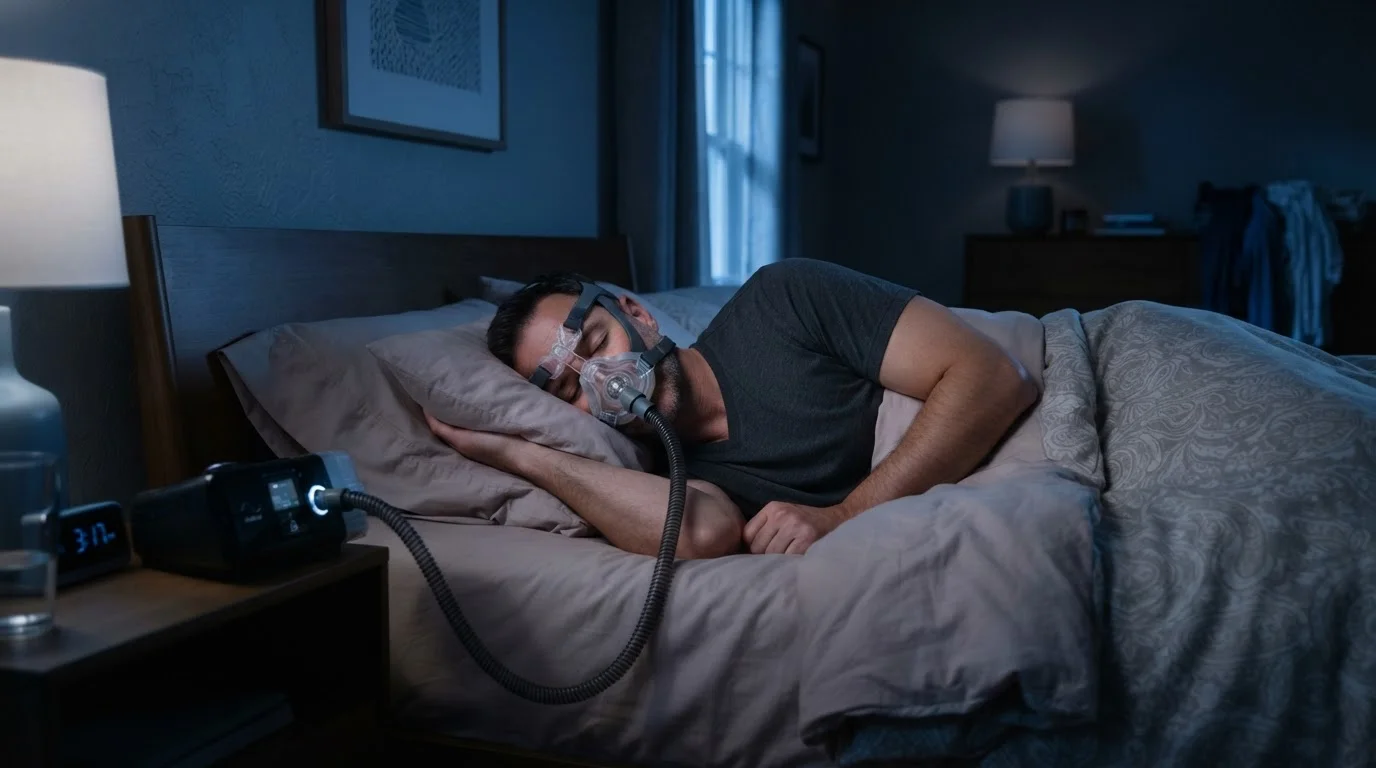
Photo: HerbHealWellness.com | Modern Guide To Wellness editorial
Key Takeaways
- Men are diagnosed with sleep apnoea at roughly twice the rate of women.
- Untreated sleep apnoea is independently associated with high blood pressure, heart disease, and type 2 diabetes.
- Loud snoring, gasping during sleep, and persistent daytime fatigue are the hallmark warning signs.
- A formal sleep study (polysomnography) is the standard diagnostic tool — not a home quiz.
- Treatment, including CPAP therapy, can meaningfully reduce cardiovascular and metabolic risks.
- Sleep apnoea is linked to depression and impaired cognitive function in men.
Why Sleep Apnoea Is a Men's Health Priority
Sleep apnoea is not simply a snoring problem. It is a systemic condition that affects cardiovascular function, metabolic health, and mental well-being — and men bear a disproportionate share of the burden. Epidemiological data consistently show that men are approximately twice as likely as women of the same age to develop obstructive sleep apnoea, yet the condition remains dramatically underdiagnosed.
Part of the problem is cultural. Many men normalize poor sleep — attributing exhaustion to a demanding schedule or writing off a partner's concerns about snoring. The result is that OSA often goes undetected for years while quietly compounding other health risks.
2×
Men's OSA diagnosis rate vs. women
Epidemiological studies consistently find men are diagnosed with obstructive sleep apnoea at approximately twice the rate of women of equivalent age.
~80%
Estimated undiagnosed OSA cases
Research estimates that the large majority of people with clinically significant OSA remain undiagnosed, contributing to untreated cardiovascular and metabolic risk.
3×
Elevated hypertension risk with severe OSA
Studies have found that severe, untreated OSA is associated with up to three times the odds of developing resistant hypertension compared to those without the condition.
Understanding sleep apnoea is an important step toward recognizing how interconnected sleep quality is with overall health. If you are concerned about your symptoms, speaking with a physician is always the right starting point.
The Cardiovascular Connection
One of the most well-established links in sleep medicine is between OSA and cardiovascular disease. Each apnoea event triggers a brief but significant drop in blood oxygen, which activates the body's stress response — raising heart rate and blood pressure. Over time, these repeated surges contribute to chronic hypertension, arterial stiffness, and increased risk of atrial fibrillation.
Research published in major cardiology journals has found that men with untreated moderate-to-severe OSA have a significantly elevated risk of major cardiovascular events compared to men without the condition. This matters because men already face distinctly elevated cardiovascular risks independent of sleep — layering OSA on top amplifies that profile further.
“Sleep apnoea is not a benign snoring disorder. It is a serious medical condition that, left untreated, imposes a measurable burden on the heart, metabolic system, and brain.”
— American Academy of Sleep Medicine, Professional society representing sleep medicine clinicians and researchers
Treating OSA — particularly with CPAP therapy — has been shown to lower blood pressure and improve other cardiovascular markers in many patients. For more on how routine checks assess heart risk, see Heart Disease Risk in Men: How Preventive Checks Can Catch It Early.
Metabolic and Mental Health Impacts
The relationship between sleep apnoea and type 2 diabetes is bidirectional and clinically meaningful. OSA promotes insulin resistance through intermittent hypoxia (low oxygen) and sleep fragmentation, both of which disrupt glucose regulation. Men with untreated OSA show higher rates of impaired fasting glucose and are at increased risk of progressing to type 2 diabetes. Type 2 diabetes in men already carries distinct risks, and OSA adds another variable into that equation.
Mental health is also affected in ways that are easy to misattribute. Chronic sleep deprivation from OSA is associated with increased rates of depression, anxiety, and irritability. Men who are already less likely to seek mental health support may not connect their low mood or cognitive fog to a sleep disorder. Day-to-day mental health habits for men are harder to sustain when underlying sleep disruption goes unaddressed.
Talk to Your Doctor Before Self-Treating
Recognizing Symptoms and Getting Evaluated
The most commonly reported symptoms of OSA in men include:
- Loud, persistent snoring — often noticed by a bed partner
- Witnessed gasping or choking during sleep
- Waking with a dry mouth or headache
- Excessive daytime sleepiness despite adequate time in bed
- Difficulty concentrating or memory lapses
- Irritability or low mood without a clear cause
If these sound familiar, the appropriate next step is a conversation with your primary care physician, not self-diagnosis. A physician may refer you for a formal sleep study — either an overnight in-lab evaluation or a validated home sleep apnoea test. Tools like the STOP-BANG questionnaire can help flag risk, but diagnosis requires objective measurement.
Preventive screening conversations are a natural opportunity to raise sleep concerns. Men's preventive health screenings cover more than blood pressure and cholesterol — sleep health belongs in that conversation too. Explore the full scope of men's preventive care for a broader picture of what regular checkups can address.
This article is for informational purposes only and does not constitute medical advice. Always consult a qualified healthcare professional for personal health concerns, diagnosis, or treatment decisions.
Frequently Asked Questions
The content on this site is for informational purposes only and is not a substitute for professional advice. Always consult a qualified professional for guidance specific to your situation.