
Why Men Are Diagnosed with Depression Less Often — and What Gets Missed

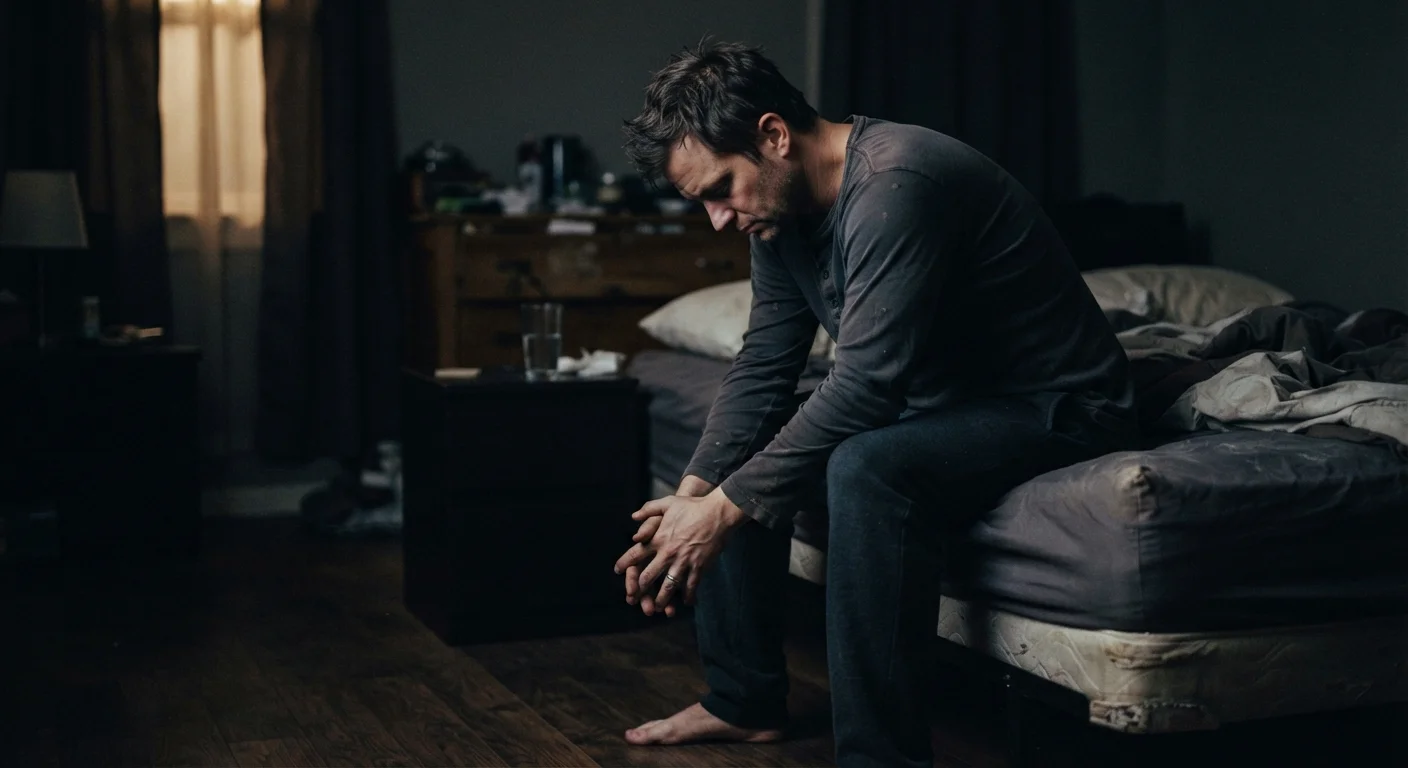
Photo: HerbHealWellness.com | Modern Guide To Wellness editorial
Key Takeaways
- Men with depression are more likely to show irritability, anger, or risk-taking behavior than classic sadness.
- Standard depression screening tools may underdetect depression in men whose symptoms present atypically.
- Stigma and cultural norms around masculinity significantly delay men from seeking mental health care.
- Untreated depression in men is strongly linked to higher rates of substance use and suicide.
- Recognizing non-textbook symptoms is the first step toward getting accurate diagnosis and effective support.
The Diagnosis Gap: Why Men Fall Through the Cracks
Depression is one of the most common mental health conditions in the world, yet men are diagnosed with it at roughly half the rate of women. That gap is unlikely to reflect reality. Research suggests that depression in men is broadly underdiagnosed rather than genuinely less prevalent — and the consequences can be severe.
A combination of factors contributes to this gap: how depression is defined and screened for, how men tend to express emotional distress, and the cultural pressures that discourage men from describing symptoms in clinical language. Understanding these dynamics is essential for men themselves, and for anyone who cares about their health. Research consistently shows that men seek medical help later than women, and mental health is no exception.
Myth
Depression always looks like sadness, crying, and low energy — symptoms men would clearly recognize in themselves.
Fact
In men, depression frequently manifests as irritability, anger, aggression, or emotional numbness rather than visible sadness.
Clinical descriptions of depression were historically shaped by research populations that skewed female. The result: a template that fits many women's experiences but misses how depression commonly surfaces in men. Men in depressive episodes often report — or display — hostility, restlessness, and a short fuse rather than tearfulness. They may describe feeling empty or detached rather than sad. Because neither men nor their doctors always associate these symptoms with depression, the condition goes unnamed and untreated. Depression in men often looks different from textbook descriptions, and that difference matters clinically.
Myth
If a man is functioning at work and keeping up with responsibilities, he's probably not depressed.
Fact
Many men with depression maintain external functioning while masking significant internal distress — a pattern sometimes called 'high-functioning depression.'
The ability to hold down a job or meet obligations does not rule out depression. Men are often socialized to prioritize performance and to suppress or compartmentalize emotional pain. A man may be meeting every deadline while simultaneously struggling with persistent hopelessness, insomnia, or thoughts of worthlessness. This mask of competence delays self-recognition and means a clinician may not probe further. Functioning well externally is not the same as being mentally well.
Myth
Men who drink heavily or take risks are just making bad choices — not showing signs of a mental health condition.
Fact
Substance use, reckless behavior, and risk-taking are well-documented behavioral expressions of depression in men.
When emotional pain has nowhere to go, it often comes out sideways. Men with undiagnosed depression are disproportionately represented among those with alcohol use disorder, and risky behaviors — speeding, gambling, picking fights — can function as a way to feel something or to escape internal numbness. These behaviors are sometimes treated as character or discipline problems rather than symptoms, which means the underlying depression never gets addressed. Recognizing the link between behavior and mood is a critical shift in perspective for both men and their care providers.
Myth
Talking about mental health struggles is something men simply don't want to do — it's just a preference.
Fact
Reluctance to disclose emotional distress in men is largely shaped by cultural stigma and learned norms, not innate preference.
From an early age, many men receive consistent messages that expressing vulnerability is a sign of weakness. These messages are absorbed deeply and affect how men interpret and communicate distress — including to doctors. When a screening tool asks "how often have you felt hopeless?", a man who has been conditioned to dismiss such feelings may answer inaccurately — not because he is dishonest, but because the framing doesn't match his internal experience. Widespread myths about men and mental health actively prevent people from seeking the support they need. Clinicians who ask about behavioral changes, sleep, anger, and physical symptoms often get a more complete picture than those who ask only about sadness.
Myth
Depression is less dangerous in men because they're less likely to attempt suicide.
Fact
Men die by suicide at substantially higher rates than women, in part because depression goes undetected and untreated for longer.
While women report suicidal ideation and attempt suicide more often, men die by suicide at a significantly higher rate — in the United States, men account for the majority of suicide deaths. A major contributing factor is that depression in men is more likely to go undiagnosed and therefore untreated until a crisis point. The assumption that men are at lower risk because they seem less distressed is a dangerous misconception. Suicide risk is a medical emergency; anyone concerned about themselves or another person should contact a qualified mental health professional or a crisis service immediately.
What Gets Missed — and What to Do About It
Because so many presentations of male depression don't fit the classic image of persistent sadness and tearfulness, both men and their clinicians can overlook the condition entirely. Anger that doesn't resolve, a sudden surge in alcohol use, sleeping too much or far too little, and pulling away from people who matter — these are all worth taking seriously.
~4x
Men's suicide rate relative to women in the US
According to the Centers for Disease Control and Prevention (CDC), men die by suicide at approximately four times the rate of women.
~50%
Lower depression diagnosis rate in men vs. women
Epidemiological data consistently shows men are diagnosed with depression roughly half as often as women, despite evidence suggesting the true prevalence gap is smaller.
1 in 5
Men who will experience depression in their lifetime
Estimates from mental health researchers suggest approximately one in five men will experience a depressive episode at some point in their lives.
Anger, irritability, and withdrawal are among the most frequently missed signs of emotional distress in men. The good news is that when depression is correctly identified, it responds well to treatment — therapy, medication, or a combination of both. If any of the symptoms above feel familiar, talking openly with a primary care provider or a mental health professional is the right next move. Mental health screening can be a core, routine part of a standard checkup — and it should be.
This article is for general informational purposes only and does not constitute medical advice. If you are concerned about your mental health or that of someone you know, please speak with a qualified healthcare professional.
The content on this site is for informational purposes only and is not a substitute for professional advice. Always consult a qualified professional for guidance specific to your situation.