
Stress vs. Burnout: Recognising When Work Pressure Becomes a Health Concern

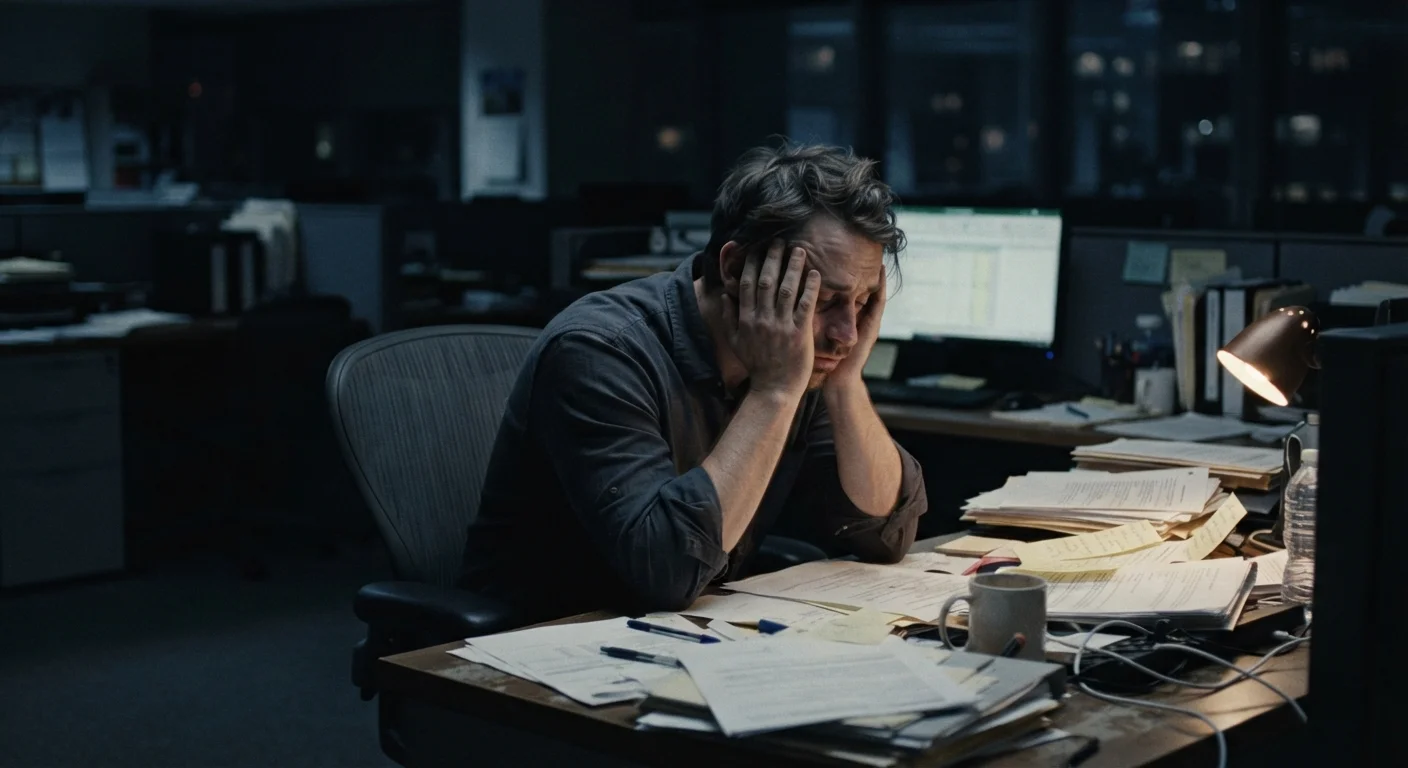
Photo: HerbHealWellness.com | Modern Guide To Wellness editorial
Key Takeaways
- Stress is often temporary and tied to identifiable pressure; burnout is a prolonged state of depletion.
- Burnout involves emotional exhaustion, detachment, and a reduced sense of effectiveness — beyond ordinary tiredness.
- Men are less likely to report burnout symptoms, which can delay recognition and care.
- Physical symptoms like disrupted sleep, headaches, and chest tightness can accompany both conditions.
- Recovery from burnout typically requires more structured intervention than simply taking a break.
- A healthcare professional or mental health clinician should be consulted when symptoms persist or worsen.
Stress and Burnout Are Not the Same Thing
Many men use stress and burnout interchangeably — and it's an understandable conflation. Both produce fatigue, irritability, and a sense of being overwhelmed. But they differ in mechanism, duration, and what recovery actually looks like.
Stress is typically a response to an identifiable demand: a project deadline, a difficult client, a period of organisational change. It feels urgent. The body activates its stress-response systems, producing heightened alertness and often a drive to push through. Stress is generally time-limited; once the trigger resolves, most people recover.
Burnout — as defined by occupational health researchers and recognised by the World Health Organization as an occupational phenomenon — is characterised by three dimensions: exhaustion, increased mental distance or cynicism toward work, and reduced professional efficacy. It doesn't resolve with a weekend off. It builds over months of sustained overload without adequate recovery.
Think of stress as running low on fuel before a long drive. Burnout is the engine seizing entirely. Understanding when something is a temporary symptom versus a persistent concern applies directly here.
| Criterion | Workplace Stress | Burnout |
|---|---|---|
| Duration | Short-term, situational | Chronic, months or longer |
| Primary emotion | Anxiety, urgency | Numbness, detachment, cynicism |
| Motivation | Often preserved or heightened | Significantly depleted |
| Physical symptoms | Headaches, tension, poor sleep | Chronic fatigue, immune effects, pain |
| Response to rest | Generally improves with rest | Rest alone rarely sufficient |
| Recovery approach | Stress management, workload adjustment | Structural change, often professional support |
| Sense of effectiveness | Maintained with effort | Substantially reduced |
How Each Condition Affects Men's Health
Men face particular barriers when it comes to recognising and disclosing work-related psychological distress. Cultural expectations around stoicism and productivity can lead to misattributing burnout symptoms — numbness, disengagement, cynicism — as personality traits or poor attitude rather than health signals.
Both conditions carry physical consequences worth taking seriously:
- Stress: Tension headaches, disrupted sleep, gastrointestinal discomfort, elevated blood pressure during acute periods.
- Burnout: Chronic fatigue unresponsive to rest, immune suppression, musculoskeletal pain, and — in some research — increased cardiovascular risk with prolonged exposure.
Shortness of breath during routine activities is one physical symptom that can accompany chronic stress states and should always be evaluated medically to exclude cardiac or pulmonary causes.
67%
Workers reporting burnout symptoms
A Gallup workplace survey found roughly two-thirds of full-time workers experience burnout at least some of the time, with a significant subset experiencing it very often or always.
3×
Higher likelihood of leaving a job
Gallup research consistently shows burned-out employees are significantly more likely to seek new employment, amplifying the occupational and personal costs of unaddressed burnout.
~40%
Men unlikely to discuss mental health at work
Survey data from mental health organisations in the US suggest men are substantially less likely than women to report or discuss psychological distress in professional settings.
Men experiencing burnout often describe a flattening of emotional response — not sadness exactly, but an absence of engagement. They may still function at work while feeling profoundly disconnected from the value of that work. This is different from ordinary tiredness and worth naming as a distinct concern.
Recovery Paths Differ Significantly
Addressing stress often involves tactical changes: adjusting workload, improving sleep hygiene, building in recovery time, or using established stress-management approaches like structured breathing or moderate physical activity. These interventions are evidence-supported and can meaningfully reduce acute stress load.
Burnout requires a different approach. Because the condition reflects a fundamental depletion rather than a temporary overload, surface-level interventions tend to be insufficient on their own. Recovery research suggests burnout typically involves:
- Identifying and addressing the systemic drivers (workload, autonomy, recognition, community, fairness, and values alignment are the six domains most frequently implicated in burnout literature).
- Extending the recovery period — weeks or months, not days.
- In many cases, working with a mental health professional, including therapists trained in occupational or cognitive-behavioural approaches.
If you're unsure whether what you're experiencing crosses a threshold that warrants professional support, this checklist on when to seek mental health guidance offers a structured starting point.
When to Seek Help Without Delay
This article is for general informational purposes only and does not constitute medical or mental health advice. If you are experiencing persistent symptoms affecting your physical or psychological health, consult a qualified healthcare professional.
The content on this site is for informational purposes only and is not a substitute for professional advice. Always consult a qualified professional for guidance specific to your situation.