
Healthy Eating Basics

Your Weekly Grocery and Meal Planning Checklist for Nutritional Balance

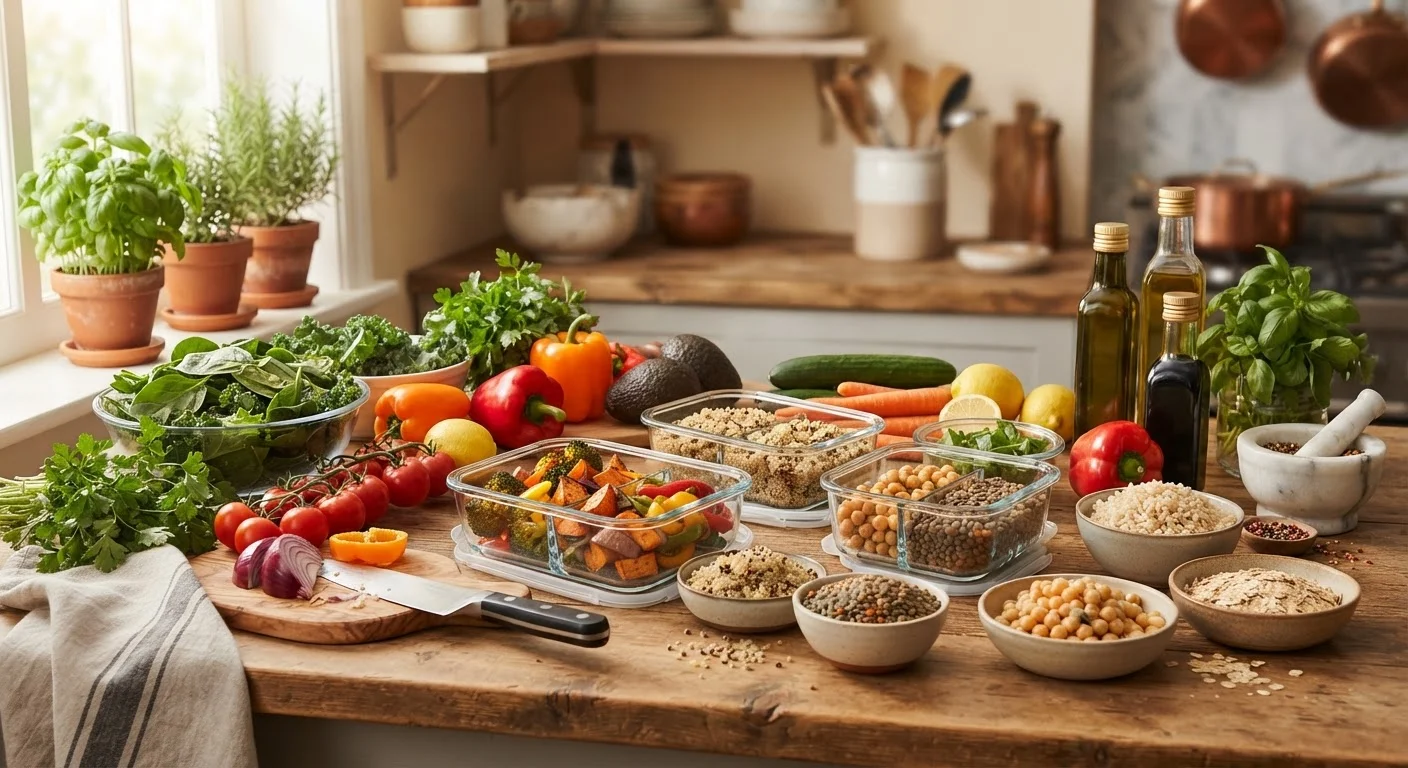
Your Weekly Grocery and Meal Planning Checklist for Nutritional Balance

Photo: HerbHealWellness.com | Modern Guide To Wellness editorial

Use this practical checklist to ensure your weekly shop and meal plan covers the key food groups, nutrients, and variety your body benefits from.

Key Takeaways

  • A structured weekly checklist reduces nutrient gaps and impulsive, less nutritious food choices.
  • Covering all five major food groups each week is a practical foundation for balanced eating.
  • Variety within food groups matters as much as the groups themselves for micronutrient coverage.
  • Planning meals before shopping consistently reduces food waste and supports consistent eating patterns.
  • Even a simple checklist approach can meaningfully improve dietary quality over time.

Why a Weekly Planning Checklist Supports Better Nutrition

Most gaps in dietary quality aren't caused by a lack of knowledge — they're caused by a lack of structure. When shopping and meals happen reactively, entire food groups can go missing for days at a time. A weekly checklist reframes grocery shopping and meal planning as a deliberate act rather than a last-minute scramble.

If you're new to thinking carefully about what you eat, building a repeatable weekly routine is one of the highest-leverage starting points. The checklist below is organised into preparation steps and food group coverage, so you can work through it in any order that suits your schedule.

For readers navigating irregular schedules, pairing this checklist with practical meal strategies — like those covered in building healthier eating habits when your schedule is unpredictable — can make consistent nutrition more realistic.

Required

Weekly meal planning template or notebook

Maps out meals for the week so your shopping list reflects actual planned dishes rather than rough estimates.

Required

Fridge and pantry inventory list

Helps identify what you already have before writing a new shopping list, reducing duplication and food waste.

Optional

Nutrition label reading guide

Helps you verify whole grain claims, check calcium fortification, and evaluate added sugar content on packaged items.

The Full Checklist: Planning, Shopping, and Nutritional Coverage

Work through the checklist below before your weekly shop. The groups move from planning logistics through each major food category, finishing with hydration and supplementation considerations. Items marked must are non-negotiable foundations; should items are strongly recommended for most healthy adults; nice to have items add depth but aren't critical every week.

Preparation & Planning

Review what's already in your fridge, freezer, and pantry before writing any list to avoid duplicates and reduce waste. Must
Map out rough meals for the week — even a loose plan (e.g., two pasta nights, one stir-fry) helps anchor your shopping list. Must
Note any upcoming meals eaten out or at work so you don't over-buy perishables. Should
Check your schedule for days that will need quick-prep meals and plan accordingly (batch cook, frozen veg, pre-cooked grains). Should

Vegetables & Fruits

Include at least three different colours of vegetables across the week — colour diversity generally signals different phytonutrient profiles. Must
Add at least one dark leafy green (spinach, kale, Swiss chard) to your list for folate, iron, and vitamin K. Must
Choose two or more whole fruits rather than relying solely on juice, which lacks the fibre of whole fruit. Must
Include frozen vegetables as a practical backup — nutritional value is largely preserved during freezing. Should
Add a cruciferous vegetable (broccoli, cauliflower, Brussels sprouts) at least once during the week. Should

Whole Grains & Complex Carbohydrates

Choose whole grain versions of staples (whole wheat bread, brown rice, rolled oats) over refined alternatives where possible. Must
Include at least one less common whole grain per week — quinoa, farro, barley, or bulgur — to broaden fibre and mineral intake. Nice to have
Check ingredient labels on packaged grain products to confirm whole grain is listed first. Should

Protein Sources

Plan at least two to three plant-based protein meals per week using legumes, tofu, tempeh, or edamame. Should
Include at least one oily fish serving (salmon, mackerel, sardines) weekly for omega-3 fatty acids, if you eat fish. Should
Vary your protein sources across the week rather than defaulting to the same one daily. Must
Add eggs to the list as an affordable, nutrient-dense protein option if they aren't already a weekly staple. Nice to have

Dairy or Fortified Alternatives

Ensure at least one reliable calcium source is included — dairy milk, yogurt, or a fortified plant-based milk alternative. Must
If using plant-based milk alternatives, verify the label confirms calcium and vitamin D fortification. Must

Healthy Fats

Include a source of unsaturated fat — olive oil, avocado, nuts, or seeds — to support fat-soluble vitamin absorption. Must
Add a variety of nuts or seeds to the shop for use as snacks or meal toppers rich in healthy fats and minerals. Nice to have

Hydration & Beverages

Ensure plain water is consistently accessible throughout the week — consider keeping a filled bottle at your desk or workspace. Must
Limit purchase of sugar-sweetened beverages; opt for sparkling water, herbal teas, or plain coffee as alternatives. Should

Final Review Before Shopping

Cross-check your list against the food groups above to identify any categories you've skipped entirely. Must
Identify one or two new ingredients to try this week to gradually expand your dietary variety over time. Nice to have
Confirm you have pantry staples on hand (olive oil, canned legumes, tinned tomatoes) so meals can be assembled without mid-week emergency runs. Should

Individual Nutritional Needs Vary Significantly

This checklist reflects general dietary principles for healthy adults and is not tailored to specific medical conditions, life stages, or therapeutic diets. Pregnancy, chronic conditions such as those explored in the Chronic Conditions hub, kidney disease, and food allergies all require personalised dietary guidance. Consult a registered dietitian or your healthcare provider before making major changes to your eating pattern.

Understanding the roles of specific nutrients — from iron and calcium to B vitamins and omega-3s — can help you spot patterns in your own diet. The Vitamins & Nutrients hub offers detailed, evidence-grounded information on what key micronutrients do and where to find them.

This article provides general nutritional information for educational purposes only and is not a substitute for personalised advice from a qualified healthcare provider or registered dietitian. Individual nutritional needs vary based on age, health status, and other factors. Always consult a professional before making significant changes to your diet, especially if you have a chronic health condition.

Nutrition & Diet Editorial Team

HerbHealWellness.com | Modern Guide To Wellness

Nutrition & Diet Editorial Team is the collective byline for our editorial team and contributor network. Articles published under this byline or an editorial pen name are researched, written, and reviewed according to our editorial standards for clarity, consistency, and independence before publication.

Healthy Eating BasicsDiets & Eating PlansVitamins & Nutrients
View author profile

The content on this site is for informational purposes only and is not a substitute for professional advice. Always consult a qualified professional for guidance specific to your situation.