
Vitamin C Beyond Immunity: The Nutrient's Lesser-Known Functions

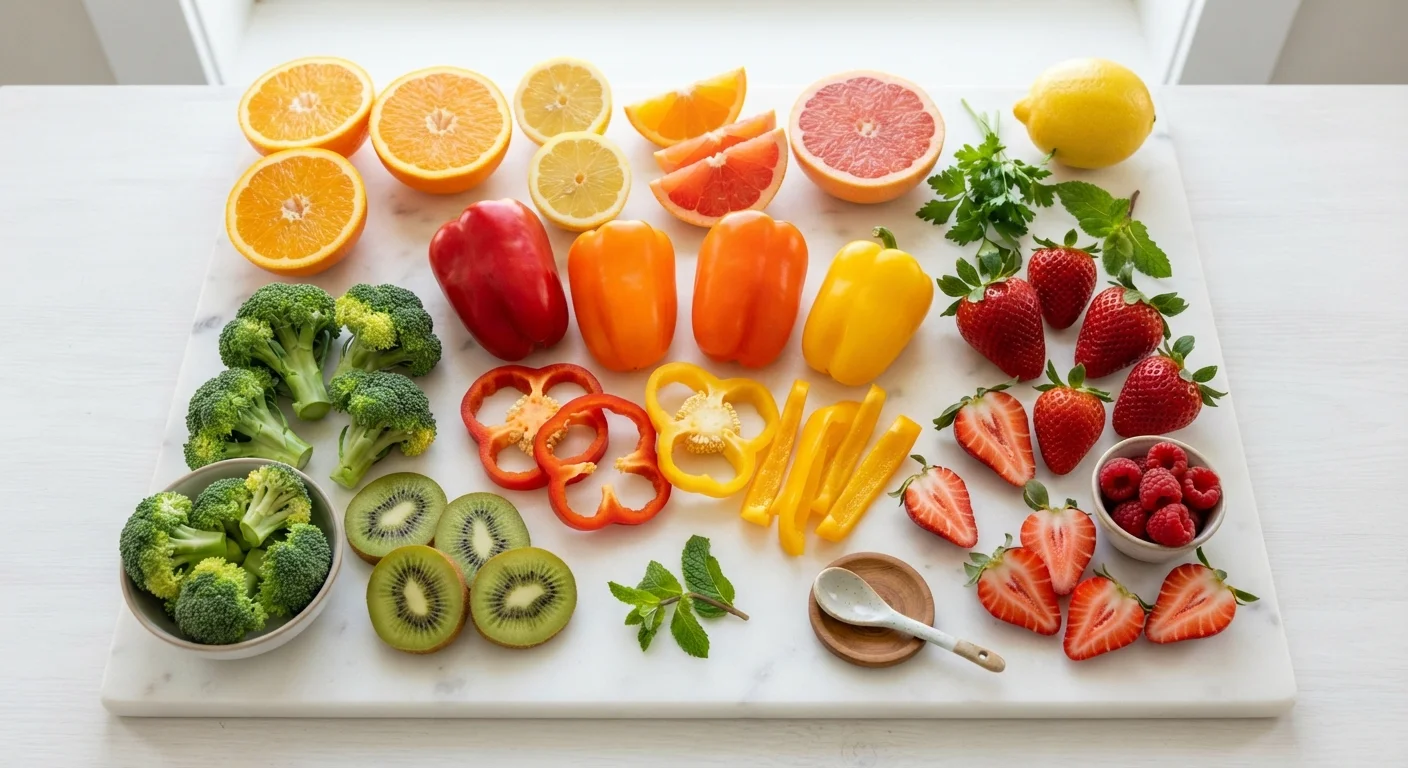
Photo: HerbHealWellness.com | Modern Guide To Wellness editorial
Key Takeaways
- Vitamin C is required for collagen production, which supports skin, tendons, cartilage, and bone integrity.
- It significantly enhances non-heme iron absorption from plant-based foods when consumed together.
- The body uses vitamin C in wound healing, neurotransmitter synthesis, and antioxidant defense.
- Severe deficiency causes scurvy, a condition marked by bleeding gums, fatigue, and impaired wound healing.
- Most adults can meet daily needs through a varied diet rich in fruits and vegetables.
- Supplementation may be appropriate in some cases but should be discussed with a healthcare provider.
More Than an Immune Booster
Vitamin C has been synonymous with immune support since Nobel laureate Linus Pauling popularized high-dose supplementation in the 1970s. That association is not unfounded—ascorbic acid does support several immune cell functions—but it captures only a fraction of the nutrient's physiological importance. Understanding the full picture helps you appreciate why consistent, adequate intake matters for overall health, not just during cold season.
Vitamin C is among the most well-studied micronutrients, and its roles span connective tissue repair, neurological function, and cellular protection. For a broader tour of essential vitamins and what they accomplish, see what vitamins actually do in the body.
90 mg
Daily vitamin C recommended for adult men
According to the NIH Office of Dietary Supplements, the RDA for adult men is 90 mg per day; adult women need 75 mg.
~33%
Increase in non-heme iron absorption with vitamin C
Research published in nutritional science literature indicates that consuming vitamin C alongside non-heme iron sources can increase absorption by roughly a third or more depending on dose and food combination.
2,000 mg
Tolerable upper intake level for adults
The NIH sets the tolerable upper intake level for vitamin C at 2,000 mg per day for adults, above which gastrointestinal side effects become more likely.
Collagen Synthesis: The Structural Role
One of vitamin C's most critical—and underappreciated—functions is its role in producing collagen, the most abundant protein in the human body. Collagen forms the scaffolding of skin, blood vessels, tendons, ligaments, cartilage, and bone. Without adequate vitamin C, the enzymes responsible for stabilizing collagen's triple-helix structure cannot function properly.
This is precisely why scurvy—the disease of severe vitamin C deficiency—presents with symptoms like bleeding gums, poor wound healing, and joint pain. These are all signs of structural tissue breakdown. Historically observed in sailors deprived of fresh produce for months, scurvy is now rare in high-income countries but remains a clinical reminder of how fundamentally the body depends on this nutrient.
Pair Vitamin C Foods With Iron-Rich Plants
Iron Absorption and Blood Health
Dietary iron comes in two forms: heme iron (from animal products, easily absorbed) and non-heme iron (from plant sources, less readily absorbed). Vitamin C significantly enhances the absorption of non-heme iron by reducing it to a more bioavailable form in the digestive tract. Consuming vitamin C alongside iron-rich plant foods—spinach with a squeeze of lemon, lentils with tomatoes—is a practical, evidence-supported dietary strategy.
This interaction is particularly relevant for people following plant-based diets, who rely entirely on non-heme iron sources. Iron-deficiency anemia is a common global nutritional problem, and optimizing iron absorption through diet can make a meaningful difference. Always consult a healthcare provider before concluding you need iron supplementation, as both excess and deficient iron carry health risks.
Antioxidant Protection and Other Functions
Vitamin C is one of the body's primary water-soluble antioxidants. It neutralizes free radicals—unstable molecules that can damage cells and contribute to chronic disease risk over time. It also regenerates other antioxidants, including vitamin E, extending their protective activity.
Beyond that, vitamin C serves as a cofactor in synthesizing carnitine (which helps the body metabolize fatty acids for energy) and certain neurotransmitters, including norepinephrine. There is also emerging research exploring connections between vitamin C status and eye health—for instance, some studies have examined whether antioxidant nutrients help protect against age-related eye conditions. For context on this, see the role of nutrition in eye health.
Meeting Your Needs Through Food and Diet
The RDA for vitamin C, as established by the National Institutes of Health, is 90 mg per day for adult men and 75 mg per day for adult women, with higher amounts recommended during pregnancy and lactation. Smokers are advised to consume an additional 35 mg daily due to increased oxidative stress from tobacco use.
Most people can meet these needs through a varied diet. A single medium orange provides roughly 70 mg; half a cup of red bell pepper delivers well over 100 mg. For a comprehensive look at how vitamin C fits alongside other essential nutrients, micronutrients at a glance offers a useful reference. If you suspect a deficiency or are considering supplementation, speak with a qualified healthcare professional who can evaluate your individual needs.
This article is for general informational and educational purposes only and is not a substitute for professional medical advice, diagnosis, or treatment. Always consult a qualified healthcare provider with any questions you may have regarding a medical condition or dietary needs.
Frequently Asked Questions
The content on this site is for informational purposes only and is not a substitute for professional advice. Always consult a qualified professional for guidance specific to your situation.