
Bruxism: The Habit of Grinding Teeth Most People Don't Know They Have

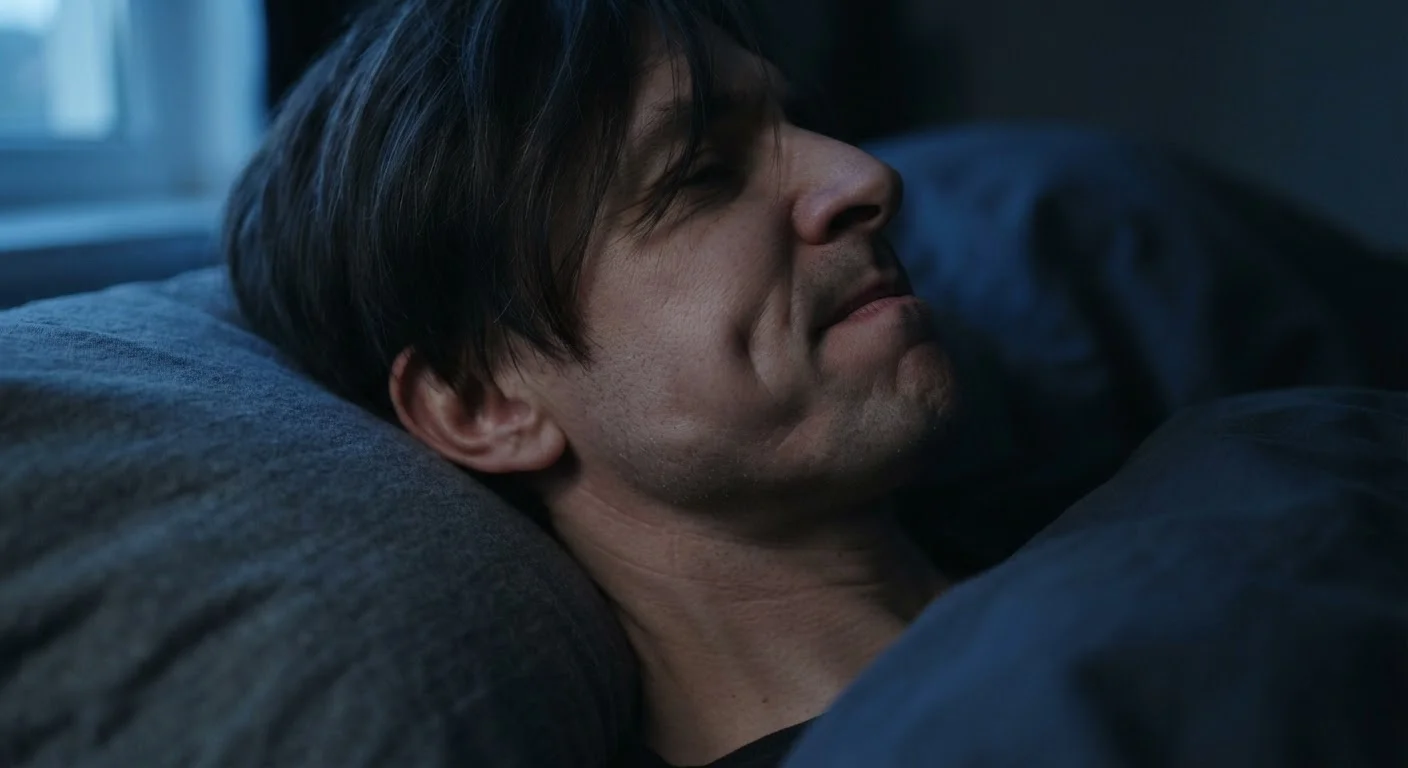
Photo: HerbHealWellness.com | Modern Guide To Wellness editorial
Key Takeaways
- Bruxism often occurs during sleep, so most people only discover it through symptoms or a partner's observation.
- Morning jaw soreness, headaches, and tooth sensitivity are among the most common warning signs.
- Stress and anxiety are strongly associated with bruxism, though sleep disorders and certain medications also play a role.
- Untreated bruxism can wear down enamel, crack teeth, and strain the temporomandibular joint (TMJ).
- A dentist can identify signs of grinding during a routine exam, even before symptoms become severe.
- Custom nightguards are a common management strategy, though addressing underlying causes is equally important.
A Habit Hidden in Plain Sight
Bruxism has an unusual quality among dental conditions: it often causes real damage before the person experiencing it has any idea something is wrong. Unlike a toothache that demands attention, nighttime grinding happens outside conscious awareness. Many people first learn about it from a partner, or when a dentist points to worn, flattened tooth surfaces during a checkup.
Estimates from dental research suggest that sleep bruxism affects roughly 8–10% of the adult population, though prevalence studies vary depending on how the condition is measured. Awake bruxism — the tendency to clench teeth during the day, often in response to concentration or stress — may be even more common and frequently goes unrecognized.
8–10%
Adults affected by sleep bruxism
Prevalence estimates from multiple epidemiological studies, though figures vary based on diagnostic criteria used.
~30%
People unaware they grind their teeth
Research consistently shows a large proportion of bruxers have no self-reported awareness of the habit until informed by a dentist or sleep partner.
Up to 3x
Greater risk with high stress levels
Studies have found that individuals reporting high psychological stress are significantly more likely to exhibit sleep bruxism behaviors.
Recognizing the Symptoms
Because the grinding itself is unconscious, most people identify bruxism through its secondary effects. The most frequently reported symptoms include:
- Morning jaw soreness or fatigue — muscles that have been contracting for hours during sleep wake up tired and tense.
- Temporal headaches — dull, recurring pain near the temples, often mistaken for tension headaches.
- Tooth sensitivity — as enamel wears away, teeth become more reactive to temperature and pressure.
- Visible tooth changes — flattened cusps, chipped edges, or unusually short teeth are hallmarks a dentist will recognize.
- Jaw clicking or limited movement — bruxism places chronic strain on the temporomandibular joint, potentially contributing to TMJ-related symptoms.
If you've been experiencing unexplained jaw discomfort, it may be worth exploring whether bruxism is a factor. Our article on signs your jaw pain could be a dental problem covers the overlap between bruxism and TMJ disorder in more depth.
What Drives the Grinding?
Bruxism is considered multifactorial, meaning it rarely has a single cause. Several well-documented contributing factors include:
- Psychological stress and anxiety
- This is the most consistently identified association. High stress levels correlate with increased bruxism frequency, and many people notice their grinding worsens during demanding periods at work or in their personal lives.
- Sleep disorders
- Sleep bruxism is classified as a sleep-related movement disorder and shows meaningful overlap with obstructive sleep apnea. Research suggests that treating underlying sleep apnea can reduce bruxism episodes in some patients.
- Medications and substances
- Certain antidepressants — particularly selective serotonin reuptake inhibitors (SSRIs) — are associated with bruxism as a side effect. Caffeine, alcohol, and tobacco use have also been linked to increased grinding.
- Neurological and genetic factors
- Emerging research points to central nervous system involvement, and bruxism appears to run in families, suggesting a genetic component.
“Sleep bruxism is now understood as a centrally mediated behavior with peripheral consequences — it originates in the brain's regulation of sleep and motor activity, not simply in the jaw itself.”
— Gilles Lavigne, Professor and researcher specializing in sleep and orofacial pain, Université de Montréal
The Dental Consequences of Untreated Bruxism
The human jaw can generate considerable force — estimates suggest the molars can exert several hundred pounds of pressure per square inch during sustained clenching. Applied repetitively over months or years, that force has measurable consequences for oral health:
- Enamel erosion: Enamel does not regenerate. Once worn away, it exposes the softer dentin beneath, accelerating decay and sensitivity.
- Cracked or fractured teeth: Stress fractures may not be immediately visible but can deepen over time, eventually requiring crowns or extractions.
- Gum recession and bone stress: Excessive lateral forces can contribute to gum recession and stress on supporting bone structures.
- Restorative failure: Crowns, fillings, and veneers can fail prematurely in patients who grind without protection.
It's also worth noting that some tooth-damaging habits compound each other. Brushing habits that quietly damage teeth over time can accelerate enamel loss when combined with the wear already caused by grinding.
Talk to Your Dentist at Your Next Visit
This article is for general informational purposes only and does not constitute medical or dental advice. Always consult a qualified dental professional for evaluation, diagnosis, and personalized treatment guidance.
Frequently Asked Questions
The content on this site is for informational purposes only and is not a substitute for professional advice. Always consult a qualified professional for guidance specific to your situation.