
The Most Common Chronic Conditions and What They Share

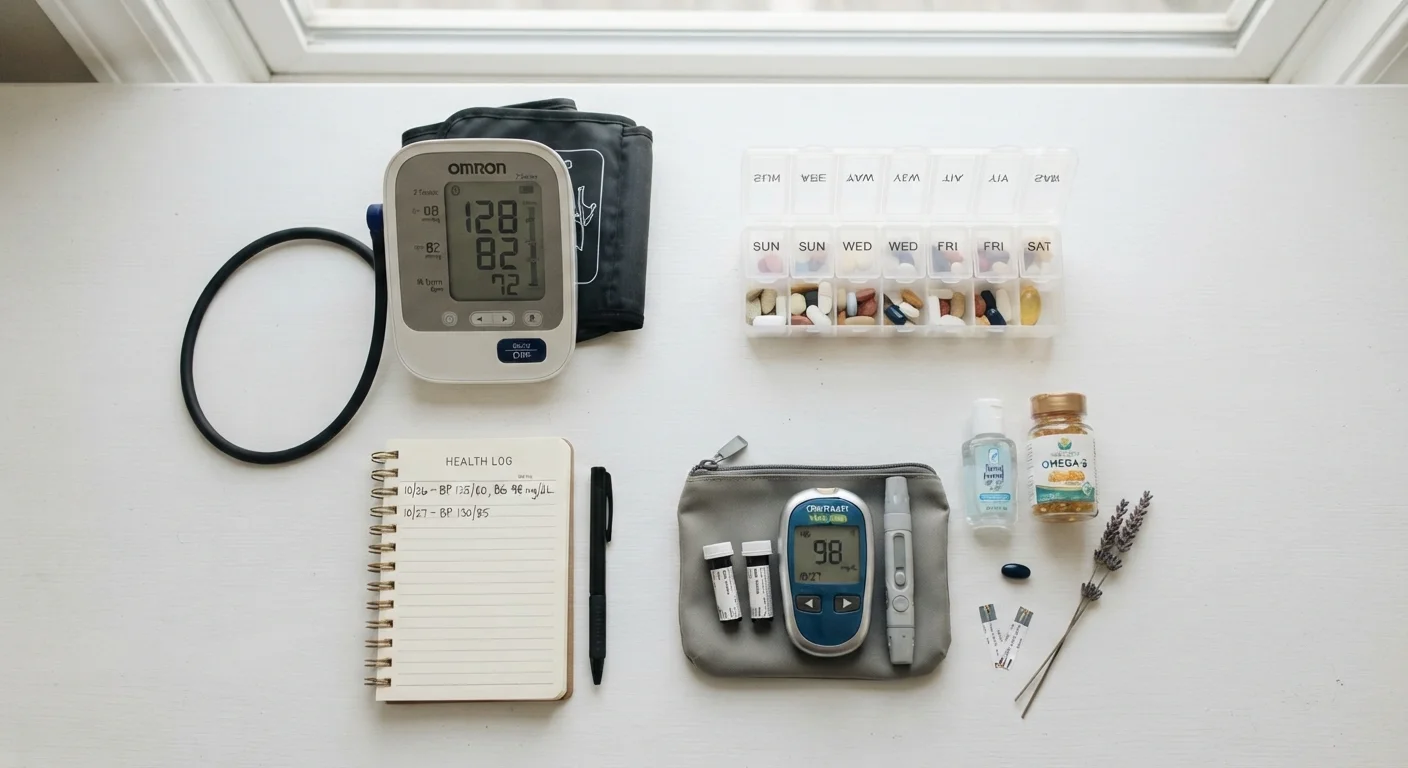
Photo: HerbHealWellness.com | Modern Guide To Wellness editorial
What Makes a Condition Chronic?
A chronic condition is generally defined as a health problem that lasts one year or longer, requires ongoing medical attention, or limits a person's daily activities — often all three. Unlike a short-term illness that resolves with treatment, chronic conditions persist and must be actively managed over time. For a fuller picture of what this distinction means in practice, see how chronic and acute illness differ.
Common examples include type 2 diabetes, hypertension (high blood pressure), heart disease, osteoarthritis, chronic obstructive pulmonary disease (COPD), and chronic kidney disease. According to the Centers for Disease Control and Prevention (CDC), six in ten U.S. adults live with at least one chronic condition, and four in ten have two or more.
| U.S. adults with at least one chronic condition | 6 in 10 (CDC, National Center for Chronic Disease Prevention and Health Promotion) |
| U.S. adults with two or more chronic conditions | 4 in 10 (CDC, National Center for Chronic Disease Prevention and Health Promotion) |
| Minimum duration to classify as chronic | 1 year or longer (National Center for Health Statistics definition) |
| Share of U.S. healthcare spending on chronic disease | ~90% (CDC, chronic disease overview data) |
| Most common chronic condition in U.S. adults | Hypertension (high blood pressure) (American Heart Association, 2023 Heart Disease and Stroke Statistics) |
| Leading driver of preventable chronic disease | Modifiable lifestyle risk factors (World Health Organization, chronic diseases fact sheet) |
Shared Patterns Across Chronic Conditions
Despite affecting different organ systems, the most common chronic conditions share several underlying features that clinicians and researchers consistently identify:
- Low-grade chronic inflammation: Conditions such as type 2 diabetes, cardiovascular disease, and rheumatoid arthritis all involve persistent, dysregulated inflammatory responses. This isn't the acute inflammation that helps heal a wound — it's a slow, systemic process that gradually damages tissues.
- Overlapping risk factors: Physical inactivity, poor dietary patterns, tobacco use, excess body weight, and chronic stress appear repeatedly across the risk profiles of heart disease, diabetes, hypertension, and certain cancers. Addressing one risk factor often benefits multiple conditions simultaneously.
- Silent early progression: Many chronic conditions develop quietly for years before producing noticeable symptoms. Hypertension is sometimes called the "silent killer" precisely because it rarely causes pain or obvious warning signs until significant vascular damage has occurred.
- Comorbidity clustering: Chronic conditions rarely travel alone. Someone managing type 2 diabetes faces substantially elevated risk for cardiovascular disease, kidney disease, and neuropathy. Learn more about how comorbidities occur and complicate care.
6 in 10
U.S. adults living with a chronic condition
According to the CDC's National Center for Chronic Disease Prevention and Health Promotion.
~90%
Share of U.S. annual healthcare spending tied to chronic illness
The CDC estimates chronic diseases and mental health conditions account for roughly 90 cents of every U.S. healthcare dollar.
4 in 10
U.S. adults managing two or more chronic conditions
Comorbidity is the norm rather than the exception among people with chronic illness, per CDC surveillance data.
The Role of Lifestyle and Biology
Chronic conditions arise from a combination of genetic predisposition, biological aging, and modifiable lifestyle factors. This interplay means that while some people carry higher inherited risk, environmental and behavioral factors significantly influence whether — and when — a condition develops or worsens.
Key modifiable contributors include diet quality, physical activity levels, sleep health, and psychological stress. Mental and physical health are deeply intertwined: chronic pain, fatigue, and functional limitations can contribute to depression and anxiety, which in turn can make physical symptoms harder to manage.
Chronic condition
A health problem lasting one year or more that requires ongoing medical care or limits daily activities, or both. Chronic conditions are generally not curable but can often be managed effectively.
Comorbidity
The simultaneous presence of two or more distinct medical conditions in the same person. Comorbidities often interact, making each condition harder to treat in isolation.
Systemic inflammation
A low-grade, persistent activation of the immune system throughout the body, rather than at a single injury site. It is increasingly recognized as a shared driver of many chronic diseases.
Modifiable risk factor
A behavior or condition linked to disease development that a person can change — such as diet, physical activity, or tobacco use — in contrast to factors like age or genetics.
Self-management
The day-to-day actions a person takes to monitor symptoms, follow treatment plans, and adapt their lifestyle to live well with a chronic condition. It typically involves collaboration with healthcare providers.
It is also worth noting that many chronic conditions are invisible — they leave no outward mark that others can easily see. This can create social and workplace challenges that are distinct from the medical ones. Understand what invisible illness means and why recognition matters.
Managing Chronic Conditions: Common Principles
Although treatment protocols differ by condition, shared management principles run through most chronic care plans:
- Regular monitoring: Blood pressure checks, blood glucose tracking, cholesterol panels, and kidney function tests allow clinicians to detect changes early and adjust treatment accordingly.
- Medication adherence: Many chronic conditions require long-term medication. Skipping doses or stopping treatment without medical guidance is a common driver of preventable complications.
- Coordinated care: People managing multiple chronic conditions often work with primary care physicians, specialists, pharmacists, and allied health professionals. Coordinated communication between providers reduces errors and overlapping treatments.
- Self-management support: Patient education, peer support programs, and structured behavioral interventions help individuals build the skills needed for day-to-day management.
If you've recently been diagnosed or are trying to understand what long-term illness means for everyday life, this grounded introduction to living with a chronic condition is a practical starting point. Men managing ongoing health issues may also find relevant context through conditions that disproportionately affect men.
This article is for general informational purposes only and does not constitute medical advice. Always consult a qualified healthcare professional for guidance specific to your health situation, symptoms, or treatment options.
The content on this site is for informational purposes only and is not a substitute for professional advice. Always consult a qualified professional for guidance specific to your situation.