
What Does 'Chronic' Actually Mean in Medicine?

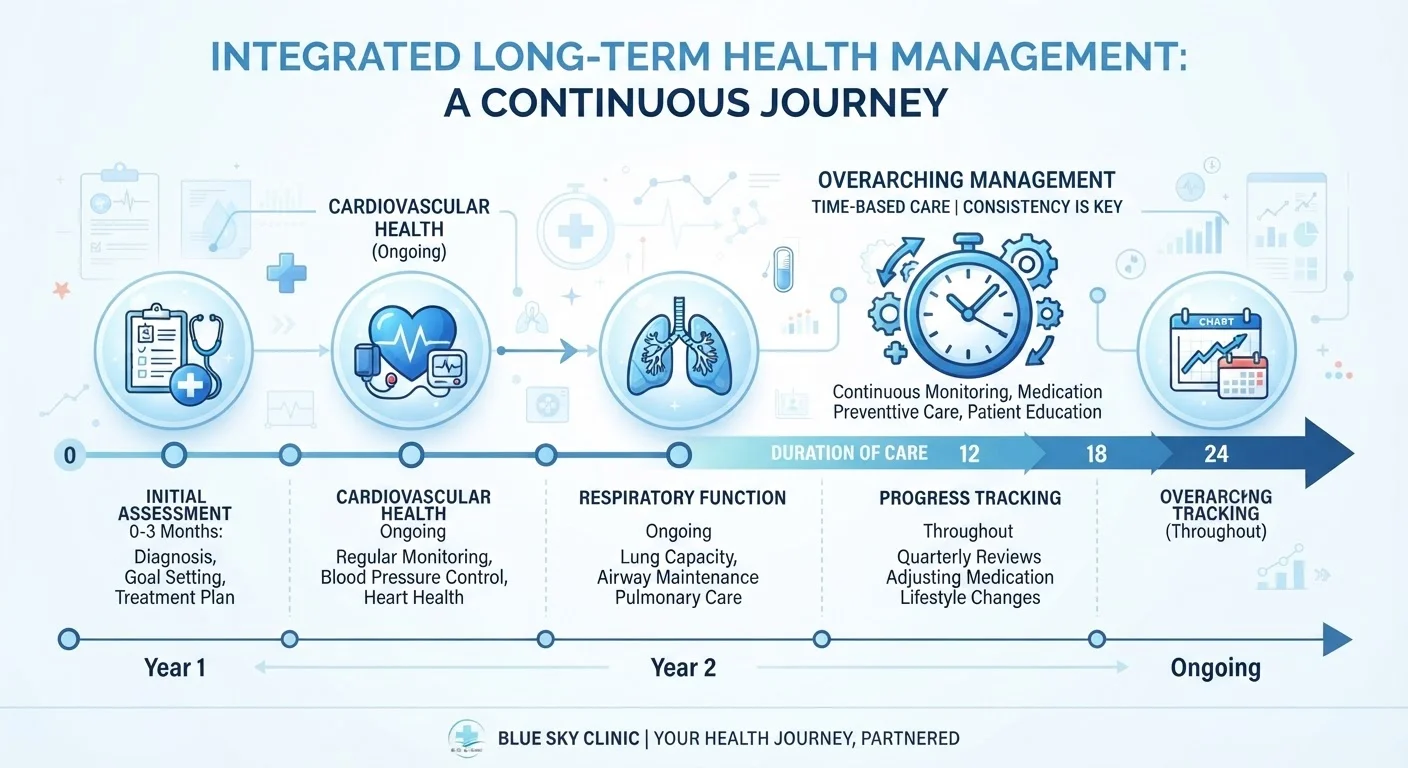
Photo: HerbHealWellness.com | Modern Guide To Wellness editorial
Key Takeaways
- 'Chronic' refers to conditions lasting three months or more, not conditions that are severe or untreatable.
- Chronic conditions are distinct from acute illnesses, which typically resolve in days or weeks.
- Many chronic conditions can be effectively managed, even if they cannot be fully cured.
- Chronic illness often affects mental health and daily life, not just physical function.
- A healthcare provider is the right resource for understanding any specific diagnosis.
The Word 'Chronic' Has a Specific Medical Meaning
In everyday language, 'chronic' is often used to mean something extremely bad or persistent — as in a "chronic complainer." In medicine, the word carries a more precise definition. A condition is classified as chronic when it lasts for an extended period, generally three months or longer, and does not resolve quickly without ongoing care or management.
Importantly, 'chronic' does not automatically mean 'severe' or 'incurable.' It is a descriptor of time and persistence, not of danger. A person can have a chronic condition that is mild and well-controlled, or one that significantly affects their daily life. The term spans a wide spectrum.
Understanding this distinction matters because it shapes how doctors approach treatment, how patients plan their lives, and how healthcare systems allocate resources. For anyone recently diagnosed — or simply trying to understand a loved one's health — grasping what 'chronic' actually means is a useful foundation. See our grounded introduction to living with a chronic condition for a broader look at what this means day to day.
How Doctors Classify Chronic vs. Acute Conditions
Medical professionals typically contrast chronic conditions with acute ones. Acute conditions — such as a respiratory infection, a sprained ankle, or appendicitis — have a rapid onset and a relatively short duration. The body's healing mechanisms or a defined course of treatment usually resolves them within days to weeks.
Chronic conditions behave differently. They often develop gradually, may not have an obvious single cause, and require ongoing attention rather than a one-time fix. Examples include:
- Type 2 diabetes — requires long-term blood sugar monitoring and lifestyle management
- Hypertension (high blood pressure) — typically managed with medication and lifestyle adjustments over years
- Asthma — symptoms can fluctuate but the underlying airway sensitivity persists
- Osteoarthritis — joint changes accumulate over time without fully reversing
Some conditions can also transition — an acute infection like Lyme disease, if untreated, can lead to chronic symptoms. The line is not always rigid. Chronic and acute illnesses differ substantially in treatment approach and daily impact.
6 in 10
U.S. adults with at least one chronic condition
According to the Centers for Disease Control and Prevention (CDC), chronic diseases are the leading cause of death and disability in the United States.
4 in 10
U.S. adults with two or more chronic conditions
The CDC reports that multiple chronic conditions are common and drive a significant share of healthcare utilization and costs nationally.
90%
Of U.S. annual healthcare costs attributed to chronic conditions
The CDC estimates that chronic and mental health conditions account for approximately 90% of the nation's $4.1 trillion in annual healthcare expenditures.
Why 'Manageable' Is the More Useful Frame
One of the most important things to understand about chronic conditions is that not curable does not mean not treatable. The clinical goal for most chronic conditions is management — maintaining quality of life, preventing complications, and slowing progression where possible.
This is where the distinction between medical treatment and everyday self-management becomes central. Medications, monitoring, and clinical check-ins form one part of the equation. Diet, physical activity, sleep, and stress management often form the other. Neither alone is typically sufficient. For a closer look at how these two dimensions interact, see our overview of self-management vs. medical treatment in chronic care.
Ask Your Doctor the Right Questions
Chronic conditions also have a well-documented relationship with mental health. Living with persistent symptoms, managing treatment demands, and navigating uncertainty can contribute to anxiety and depression over time. This connection is increasingly recognized in clinical care, not treated as separate from the physical condition. Our article on how chronic conditions shape mental health explores these patterns in depth.
This article is for general informational purposes only and does not constitute medical advice. Always consult a qualified healthcare professional for guidance about your specific symptoms, diagnosis, or treatment options.
Frequently Asked Questions
The content on this site is for informational purposes only and is not a substitute for professional advice. Always consult a qualified professional for guidance specific to your situation.