
Swollen Lymph Nodes: Infection, Illness, or Something Else?

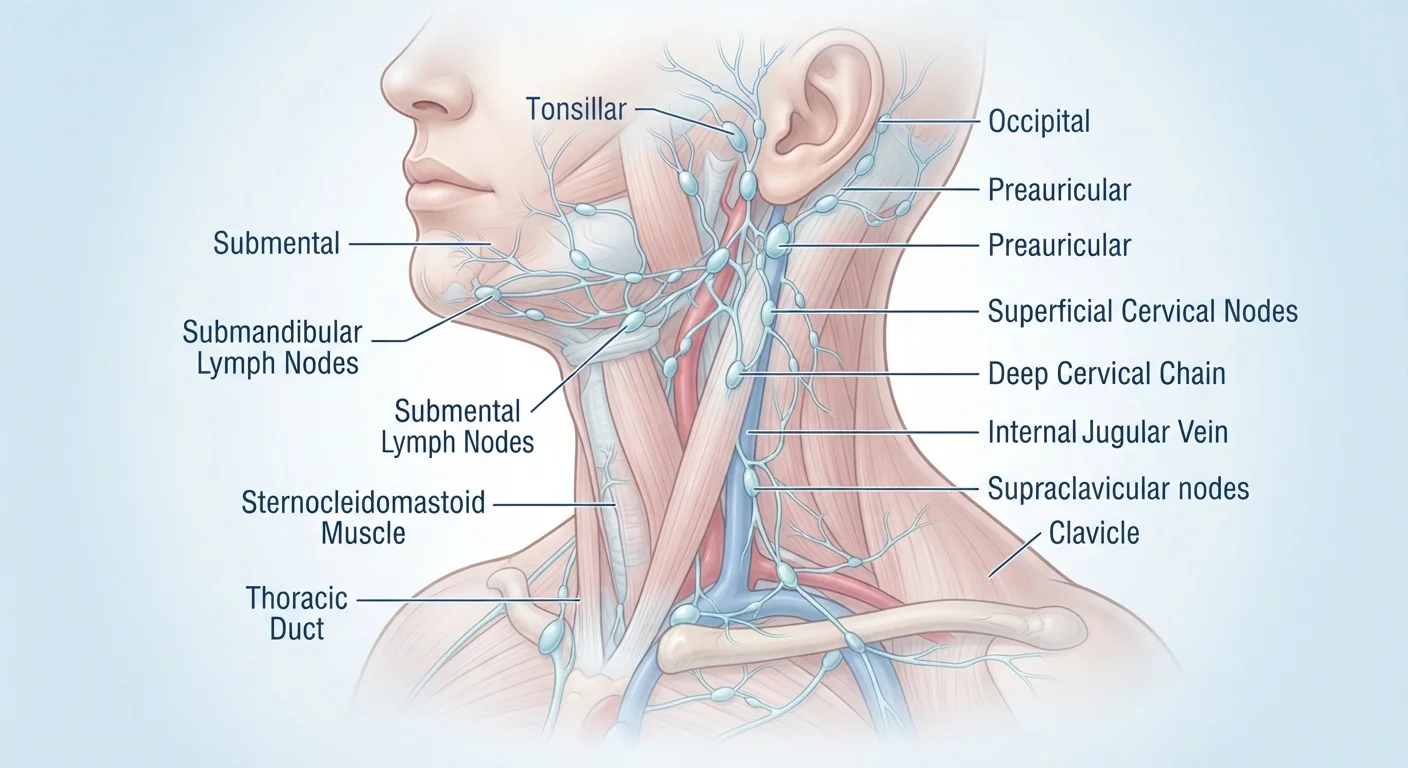
Photo: HerbHealWellness.com | Modern Guide To Wellness editorial
Key Takeaways
- Swollen lymph nodes are most commonly caused by bacterial or viral infections.
- Nodes near the jaw, neck, and armpits are the ones people notice most often.
- Most swollen nodes shrink on their own once the underlying illness resolves.
- Nodes that are hard, painless, rapidly growing, or persist beyond a few weeks warrant medical evaluation.
- A healthcare provider can determine whether the cause is infection, inflammation, or something requiring further testing.
Why Lymph Nodes Swell
Your lymphatic system is part of your immune defense, and lymph nodes serve as checkpoints where immune cells screen for threats. When bacteria, viruses, or other harmful substances enter the body, lymph nodes in the affected region fill with immune cells working to neutralize the invader — causing them to enlarge, and sometimes become sore to the touch.
The location of the swelling is often a clue to the source. Nodes under the jaw and along the neck frequently respond to throat infections, colds, dental problems, and ear infections. Those in the armpit may react to an arm or breast-related issue, while inguinal (groin) nodes typically respond to infections of the legs or genitourinary tract.
Swelling vs. a Lump: Know the Difference
Most lymph node swelling is reactive — meaning the nodes are doing exactly what they're supposed to do. Swelling on its own, without other worrying features, is rarely a sign of something serious.
Common Causes: From Colds to Dental Infections
The most frequent triggers are everyday infections. Upper respiratory viruses — including the common cold and influenza — routinely cause cervical (neck) lymph nodes to swell. Strep throat, mononucleosis (caused by the Epstein-Barr virus), and ear infections are also well-known culprits.
Dental and gum problems are another common but sometimes overlooked cause. A tooth abscess or severe gum infection can prompt nodes under the chin or along the jaw to enlarge and become tender. If you're experiencing jaw discomfort alongside swollen nodes, it may be worth exploring whether a dental issue is involved — jaw pain can have several dental origins, including tooth infections and TMJ-related conditions.
Similarly, gum changes such as swelling or bleeding may be early signals of an infection that the lymph nodes are already responding to.
~1%
Of lymphadenopathy cases linked to malignancy in primary care
Research published in clinical primary care literature estimates that fewer than 1% of unexplained lymph node swelling cases in general practice are found to be caused by malignancy, with the vast majority attributable to benign, self-limiting infections.
2–4 weeks
Typical resolution time for infection-related swelling
For most common viral and bacterial infections, clinically swollen lymph nodes are generally expected to return to normal size within two to four weeks of the infection clearing, according to general medical guidance.
Less Common Causes Worth Knowing
Beyond infections, several other conditions can cause lymph node enlargement. Autoimmune diseases — such as lupus or rheumatoid arthritis — can trigger widespread lymphadenopathy as the immune system remains chronically activated. Certain medications, including some anticonvulsants and antibiotics, are also associated with lymph node swelling as a side effect.
In less common cases, persistent or unusual lymphadenopathy can be related to lymphoma, leukemia, or metastatic cancer. This is why the character of the swelling matters: nodes that are hard, rubbery, painless, or fixed to surrounding tissue — rather than soft and tender — are the ones clinicians pay closest attention to.
When to See a Doctor
Most swollen nodes tied to a cold or minor infection resolve within two to four weeks and require no specific treatment beyond addressing the underlying cause. However, some features should prompt a timely medical evaluation:
- Nodes that remain enlarged for more than three to four weeks
- Swelling that continues to grow over time
- Nodes that feel hard, rubbery, or fixed (not moveable)
- Painless swelling without an obvious infection
- Accompanying symptoms such as unexplained weight loss, drenching night sweats, or prolonged fever
A healthcare provider can perform a physical exam and, if needed, order blood tests or imaging to identify the cause. In some situations, a biopsy of the node may be recommended. Early evaluation leads to earlier answers — and earlier peace of mind.
Keep Track of Changes Over Time
This article is for general informational purposes only and is not a substitute for professional medical advice, diagnosis, or treatment. Always consult a qualified healthcare provider with any questions about a medical condition or symptoms you are experiencing.
Frequently Asked Questions
The content on this site is for informational purposes only and is not a substitute for professional advice. Always consult a qualified professional for guidance specific to your situation.