
Signs Your Gums Are Trying to Tell You Something

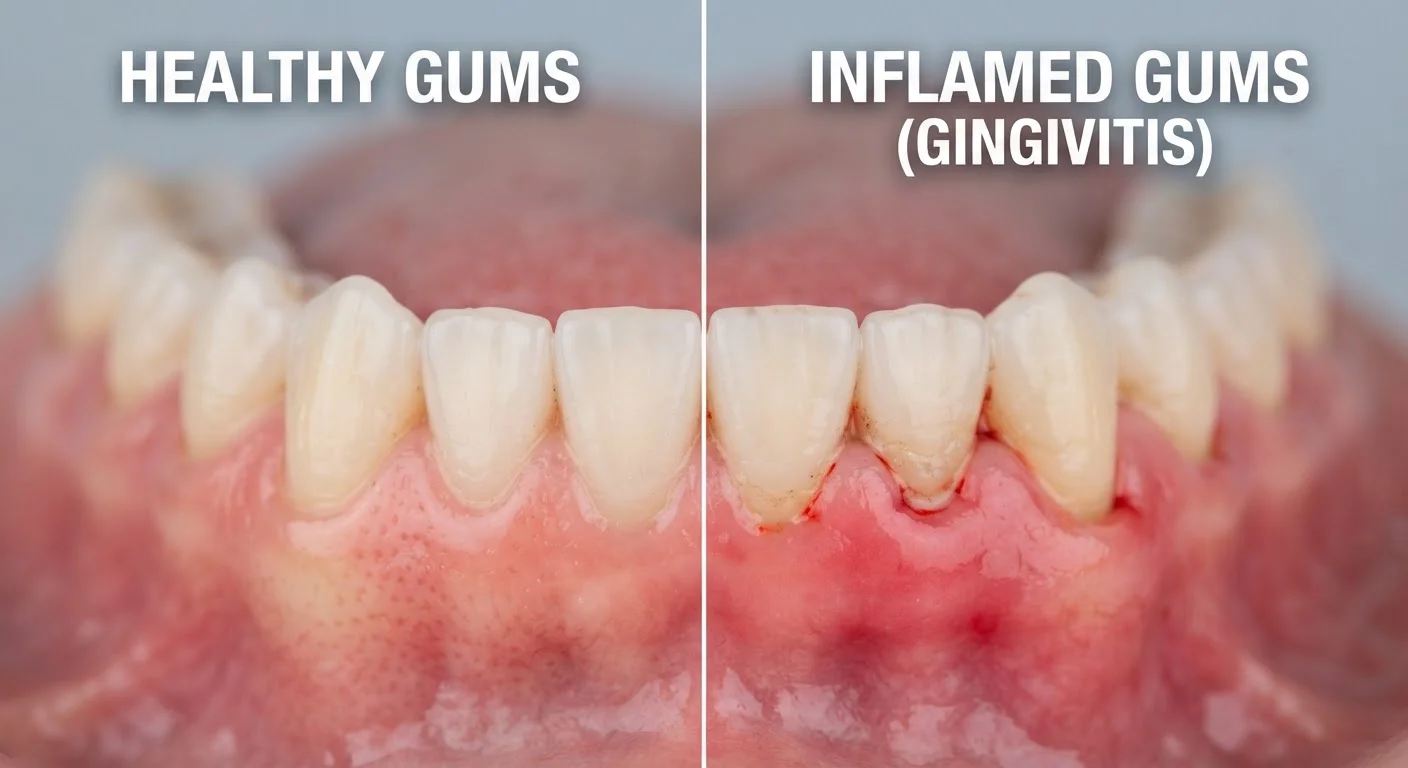
Photo: HerbHealWellness.com | Modern Guide To Wellness editorial
What Healthy Gums Actually Look Like
Before recognizing a problem, it helps to know the baseline. Healthy gums are typically pale pink, firm to the touch, and fitted snugly around each tooth. They don't bleed during routine brushing or flossing, and they don't recede away from the tooth surface. Some natural variation in color exists — gums can be slightly darker in some individuals due to higher melanin pigmentation — but texture, firmness, and the absence of bleeding remain reliable markers of health.
If your gums look or feel noticeably different from this description, that difference is worth paying attention to. Many gum changes develop gradually, making them easy to dismiss. Understanding what constitutes a true signal — versus a one-off irritation — can help you take appropriate action sooner. This is general health information, not a substitute for a professional dental evaluation.
| Prevalence of gum disease in US adults | Approximately 47% of adults aged 30+ have some form of periodontal disease (Centers for Disease Control and Prevention (CDC)) |
| Most common early warning sign | Bleeding gums during brushing or flossing |
| Reversibility of early gum disease | Gingivitis is fully reversible with improved oral hygiene and professional cleaning (American Academy of Periodontology) |
| Risk amplifier | Smoking significantly increases risk and can mask gum bleeding (American Academy of Periodontology) |
| Systemic link | Periodontitis is associated with increased risk of cardiovascular disease and diabetes complications (Journal of Periodontology, ongoing research) |
Common Warning Signs and What They May Indicate
The following signs are among the most frequently reported gum symptoms. Each can range in severity and cause, which is why professional assessment is always recommended.
Bleeding During Brushing or Flossing
Occasional bleeding after unusually vigorous flossing is different from consistent bleeding whenever you clean your teeth. Persistent bleeding is one of the hallmark signs of gingivitis — gum inflammation driven by bacterial plaque. It can also occur with certain medications (including blood thinners), vitamin C deficiency, or hormonal changes during pregnancy. See our guide to symptoms that may signal systemic issues for broader context.
Swelling, Redness, or Tenderness
Gum tissue that appears puffy, red, or feels sore when touched is inflamed. This is the tissue's response to bacterial toxins in plaque. Localized swelling around a single tooth may point to a localized infection; read more about this in our article on dental versus gum abscesses.
Gum Recession
When the gumline visibly pulls away from teeth, exposing the root surface, this is called gingival recession. Recession is often linked to periodontitis, but it can also result from overly aggressive tooth brushing or anatomical factors. Exposed roots are more susceptible to sensitivity and decay. Tooth sensitivity frequently accompanies recession.
Persistent Bad Breath
Chronic bad breath (halitosis) that doesn't resolve with regular brushing is sometimes a sign of bacteria accumulating in periodontal pockets below the gumline — areas a toothbrush cannot reach.
Loose Teeth or a Change in Bite
Advanced periodontitis can destroy the bone and ligaments supporting teeth, leading to mobility or shifting. This is a late-stage sign that warrants prompt professional attention. If you're uncertain whether your symptoms need urgent care, our checklist on recognizing a dental emergency may help you decide.
Risk Factors That Amplify Gum Vulnerability
Gum Disease Can Be Silent
Certain factors make gum disease more likely or more severe. Being aware of them helps frame why some individuals see problems despite diligent brushing:
- Tobacco use: Smoking reduces blood flow to gum tissue and suppresses immune response, which can actually mask bleeding — a dangerous false reassurance.
- Uncontrolled diabetes: High blood sugar impairs the body's ability to fight infection, making gums more susceptible to bacterial damage.
- Hormonal changes: Pregnancy, puberty, and menopause can all heighten gum sensitivity. See why gum health matters especially during pregnancy for more on this.
- Certain medications: Drugs that reduce saliva flow or cause gingival overgrowth (such as some calcium channel blockers or anticonvulsants) can worsen gum health.
- Immune system conditions: Conditions that alter immune function can accelerate periodontal breakdown.
Gum changes can sometimes signal broader health issues. Our related article on what your dentist can detect before your doctor explores this connection further.
Gingivitis
The earliest, reversible stage of gum disease, characterized by inflammation of the gingiva (gum tissue) caused by bacterial plaque buildup. Signs include redness, swelling, and bleeding when brushing or flossing.
Periodontitis
An advanced form of gum disease in which inflammation spreads below the gumline, damaging the bone and connective tissue that support teeth. Unlike gingivitis, periodontitis involves irreversible structural loss if untreated.
Gingival Recession
The gradual pulling back of gum tissue from the tooth surface, exposing the root. Recession can result from gum disease, aggressive brushing, or certain anatomical factors.
Periodontal Pocket
A deepened gap between a tooth and the surrounding gum tissue, measured in millimeters by a dentist. Deeper pockets typically indicate more advanced gum disease.
Plaque
A sticky, colorless film of bacteria that forms continuously on tooth surfaces. When not removed by brushing and flossing, plaque hardens into tartar and triggers gum inflammation.
Tartar (Calculus)
Hardened, mineralized plaque that adheres firmly to teeth and can only be removed by a dental professional using specialized instruments.
What To Do When You Notice Changes
If you recognize any of the warning signs above, the most important step is to schedule an examination with a dentist or periodontist — a specialist in gum conditions. A professional can measure periodontal pocket depth, assess bone levels with X-rays, and distinguish between early-stage gingivitis (which is reversible) and more advanced periodontitis (which requires targeted treatment).
In the meantime, strengthening your daily routine is worthwhile. Brushing twice daily with a soft-bristled toothbrush, flossing or using interdental cleaners once daily, and avoiding tobacco are all supported by clinical evidence as pillars of gum health. However, no home routine can reverse established periodontitis or remove hardened tartar — professional intervention is always required for that.
47%
US adults 30+ with periodontal disease
According to the Centers for Disease Control and Prevention, nearly half of American adults over 30 have some degree of gum disease.
70%
Adults 65+ affected by gum disease
CDC data indicates that prevalence rises sharply with age, with about 70% of adults 65 and older affected.
Stage 1
Gingivitis is fully reversible
Clinical evidence consistently shows that gingivitis, the earliest stage of gum disease, can be resolved with professional cleaning and improved home care.
If your symptoms include significant pain, facial swelling, or rapidly worsening changes, treat it as a dental emergency rather than waiting for a routine appointment. And if you notice accompanying signs elsewhere — such as swollen lymph nodes under the jaw — mention these to both your dentist and your primary care provider.
This article is for general informational purposes only and does not constitute medical or dental advice. Always consult a qualified dental professional for evaluation and guidance specific to your circumstances.
The content on this site is for informational purposes only and is not a substitute for professional advice. Always consult a qualified professional for guidance specific to your situation.