
Zoonotic Diseases: How Infections Jump from Animals to Humans

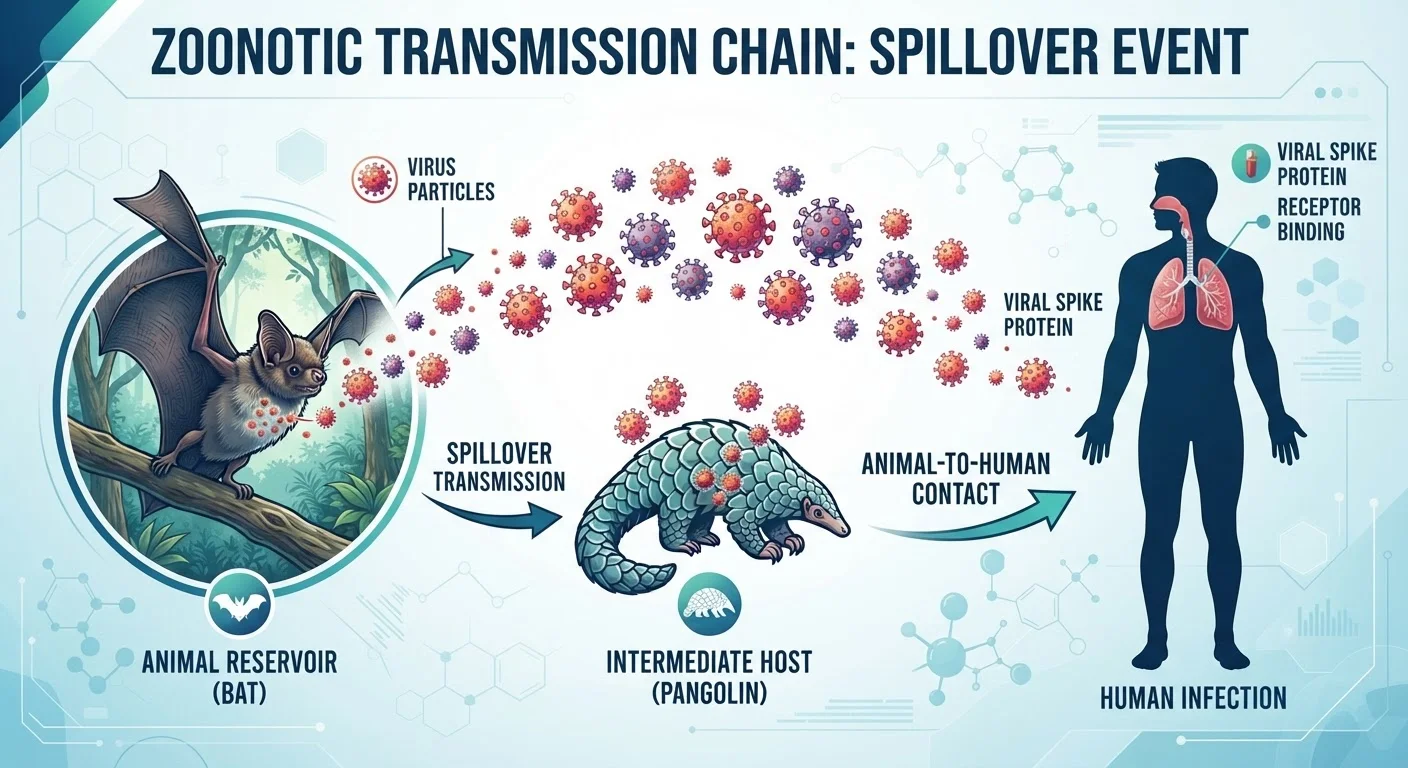
Photo: HerbHealWellness.com | Modern Guide To Wellness editorial
Key Takeaways
- More than 60% of known human infectious diseases originated in animals.
- Transmission can occur through direct contact, bites, contaminated food, or insect vectors.
- Wildlife, livestock, and companion animals can all serve as reservoirs for zoonotic pathogens.
- Most zoonotic diseases do not spread efficiently between humans, but some — like influenza — can adapt to do so.
- Prevention involves hygiene, safe food handling, vaccination where available, and avoiding high-risk animal contact.
Why So Many Human Diseases Come From Animals
It may be surprising to learn that the majority of emerging infectious diseases in humans have animal origins. According to the CDC, approximately 6 in 10 known infectious diseases in people are spread from animals, and 3 in 4 new or emerging infectious diseases originate there. Understanding how and why this happens is important for recognizing risk and taking practical preventive steps.
Animals — including wildlife, livestock, and pets — naturally harbor a wide variety of microorganisms. Most of these pathogens cause little or no harm to their animal hosts, having co-evolved over millennia. When these microorganisms encounter humans, however, the immune system may be unprepared, and illness can result. This process — called spillover — is the starting point of every zoonotic disease.
For a deeper grounding in the terminology used in this space, see Infectious Disease Terminology Every Patient Should Know — a plain-language reference covering concepts like pathogen, vector, and reservoir.
60%+
Known human infectious diseases with animal origins
According to the CDC, more than 6 in 10 known human infectious diseases can be spread from animals to people.
75%
New or emerging infectious diseases that are zoonotic
The CDC estimates that approximately 3 in 4 new or emerging infectious diseases in people originate in animals.
1 billion+
People affected by zoonoses annually (global estimate)
The World Health Organization reports that zoonotic diseases cause billions of cases of human illness each year worldwide.
The Main Routes of Zoonotic Transmission
Zoonotic pathogens reach humans through several distinct pathways:
- Direct contact: Handling, petting, or being scratched or bitten by an infected animal. Rabies is the classic example — the virus is transmitted through the saliva of an infected animal, almost always via a bite.
- Indirect contact: Touching surfaces, soil, water, or bedding contaminated with an infected animal's urine, feces, or blood. Leptospirosis, a bacterial infection, is frequently acquired this way.
- Vector-borne transmission: An intermediate organism — called a vector — carries the pathogen from animal to human. Ticks transmit Lyme disease from deer and small mammals; mosquitoes carry West Nile virus from birds to people.
- Foodborne transmission: Consuming undercooked meat, unpasteurized dairy, or produce contaminated with animal waste. Salmonella, E. coli O157:H7, and Campylobacter infections frequently arise this way.
For a broader view of how infectious diseases travel between individuals, How Infectious Diseases Spread provides a thorough plain-language overview of transmission routes.
Practical Steps to Lower Your Risk
High-Risk Animals and Environments
While any animal can theoretically carry a zoonotic pathogen, certain species and settings carry higher documented risk:
- Wildlife
- Bats are known reservoirs for a wide range of viruses, including rabies and coronaviruses. Rodents harbor hantavirus, leptospirosis, and plague. Wild birds are a primary reservoir for avian influenza strains.
- Livestock
- Cattle, pigs, and poultry can carry Salmonella, E. coli, Campylobacter, and influenza viruses. Farm workers and slaughterhouse employees face elevated occupational exposure.
- Companion Animals
- Cats can transmit Toxoplasma gondii — of particular concern during pregnancy — as well as cat-scratch disease. Reptiles and amphibians frequently carry Salmonella on their skin.
Zoonoses and Pregnancy: Extra Caution Advised
High-risk environments include live animal markets, farms with poor biosecurity, areas with heavy tick or mosquito populations, and regions where rabies remains endemic. Travelers to such areas are advised to consult a healthcare provider about relevant preventive measures before departure.
Recognizing Symptoms and Seeking Care
Zoonotic illnesses present with a wide range of symptoms depending on the pathogen involved. Fever, fatigue, and muscle aches are common early signs across many zoonoses. Gastrointestinal symptoms — nausea, vomiting, diarrhea — are typical of foodborne infections like salmonellosis. Respiratory symptoms may appear with avian influenza. Rashes, joint pain, and neurological changes can signal tick-borne or viral infections.
Because symptoms often resemble those of other, more common illnesses, exposure history is critical information for a clinician. If you have had recent contact with animals, been in an area with high vector activity, or consumed potentially contaminated food or water, inform your healthcare provider. Prompt disclosure helps clinicians pursue the right diagnostic pathway.
This article is for informational purposes only and does not constitute medical advice. Always consult a qualified healthcare professional if you are concerned about symptoms or potential disease exposure.
“The boundary between human health and animal health is artificial — we share the same pathogens, the same environments, and ultimately the same fate. A One Health approach recognizes that the health of people, animals, and ecosystems are deeply interconnected.”
— World Health Organization, Global public health authority on One Health policy
Frequently Asked Questions
The content on this site is for informational purposes only and is not a substitute for professional advice. Always consult a qualified professional for guidance specific to your situation.