
Therapeutic Devices Explained: What They Are and How They Work

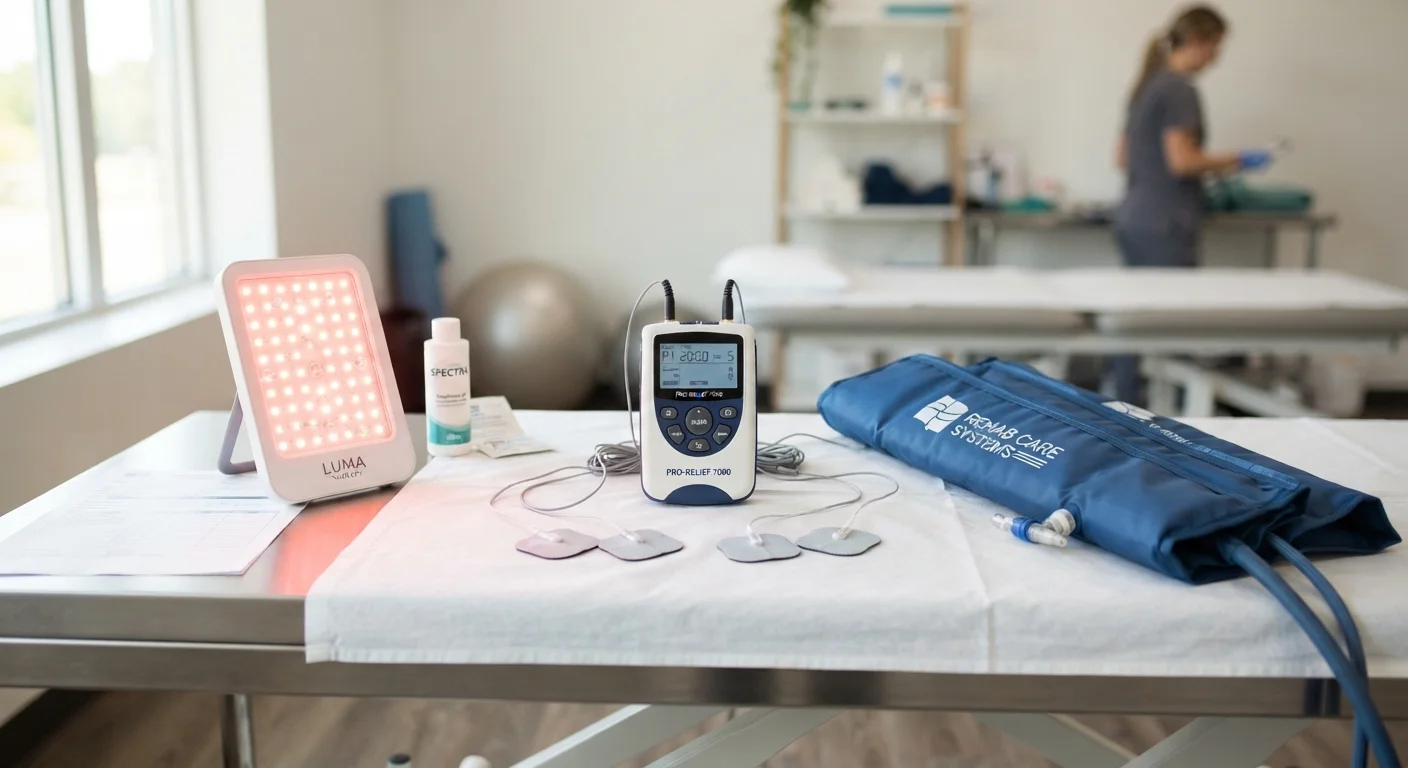
Photo: HerbHealWellness.com | Modern Guide To Wellness editorial
Key Takeaways
- Therapeutic devices treat or manage symptoms rather than diagnose health conditions.
- They work by delivering controlled energy — electrical, mechanical, thermal, or optical — to the body.
- Common examples include TENS units, compression pumps, ultrasound therapy devices, and phototherapy panels.
- Most therapeutic devices require clinician guidance, even when designed for home use.
- The FDA regulates therapeutic devices to ensure they meet safety and effectiveness standards.
What Therapeutic Devices Are — and What They Are Not
Therapeutic devices are engineered to actively intervene in a biological process. Unlike monitoring devices, which observe and record body metrics, or diagnostic equipment, which identifies conditions, therapeutic devices are built to produce a clinical effect — reducing inflammation, improving circulation, relieving pain, or promoting tissue healing.
The category is broad. A simple heating pad qualifies, as does a sophisticated neuromuscular electrical stimulation (NMES) system used in post-stroke rehabilitation. What unifies them is their purpose: delivering a controlled, repeatable intervention to the body.
Therapeutic Devices Are Not a Diagnosis
Therapeutic devices are not substitutes for medical evaluation. If you are experiencing new or unexplained symptoms, a clinician should assess your condition before any device-based treatment begins.
The Main Types and How They Work
Most therapeutic devices deliver one of four types of intervention:
- Electrical stimulation — Transcutaneous electrical nerve stimulation (TENS) units send low-voltage electrical pulses through the skin to interrupt pain signals or stimulate muscle contractions. NMES devices work similarly but are calibrated to activate specific muscle groups, often in rehabilitation contexts.
- Mechanical pressure — Pneumatic compression pumps use inflatable sleeves to rhythmically compress limbs, improving venous circulation and reducing edema (fluid-related swelling). These are commonly used for lymphedema management and deep vein thrombosis prevention.
- Thermal energy — Ultrasound therapy devices emit high-frequency sound waves that generate gentle heat within deep soft tissue, promoting blood flow and accelerating healing. Cold therapy units, by contrast, use controlled cooling to reduce inflammation and acute pain.
- Light energy — Phototherapy panels emit specific wavelengths of light — ultraviolet (UV) for skin conditions like psoriasis, or red and near-infrared light for wound healing and pain relief — to trigger targeted cellular responses.
~$8.5B
U.S. electrotherapy device market size
Industry analyses have estimated the U.S. electrotherapy device market at several billion dollars, reflecting widespread clinical and home adoption of electrical stimulation technologies.
Class II
FDA classification for most home therapeutic devices
The FDA places the majority of home-use therapeutic devices in the Class II moderate-risk category, requiring 510(k) clearance before they can be legally sold in the United States.
3 types
Primary FDA device risk classifications
The FDA uses a three-class framework — Class I (low risk), Class II (moderate risk), and Class III (high risk) — to determine the regulatory pathway and oversight level for all medical devices, including therapeutic ones.
Clinical vs. Home-Use Therapeutic Devices
Therapeutic devices exist on a spectrum from hospital-grade systems to consumer products purchased at a pharmacy. Clinical devices are typically higher-powered, more precisely calibrated, and operated by trained professionals. Home-use versions are engineered with built-in safety limits and simplified interfaces to reduce misuse risk.
The FDA classifies medical devices into three risk-based categories. Most home-use therapeutic devices fall into Class II, meaning they require a 510(k) clearance demonstrating substantial equivalence to an already-approved device before they reach the market.
Ask for a Device Demonstration Before You Leave
When a clinician recommends a home-use therapeutic device, ask for a demonstration before you leave the office. Proper electrode placement, pressure settings, or treatment duration can significantly affect both safety and results.
Wearable formats represent a growing segment of this landscape. From pain-relief patches to garments embedded with electrical stimulation technology, these compact devices extend therapeutic access beyond the clinic. Our guide to wearable therapeutic devices covers that category in detail.
This article is for informational purposes only and is not a substitute for professional medical advice, diagnosis, or treatment. Always consult a qualified healthcare provider before using any therapeutic device.
Frequently Asked Questions
The content on this site is for informational purposes only and is not a substitute for professional advice. Always consult a qualified professional for guidance specific to your situation.