
Wearable Therapeutic Devices: Categories, Functions, and What to Expect

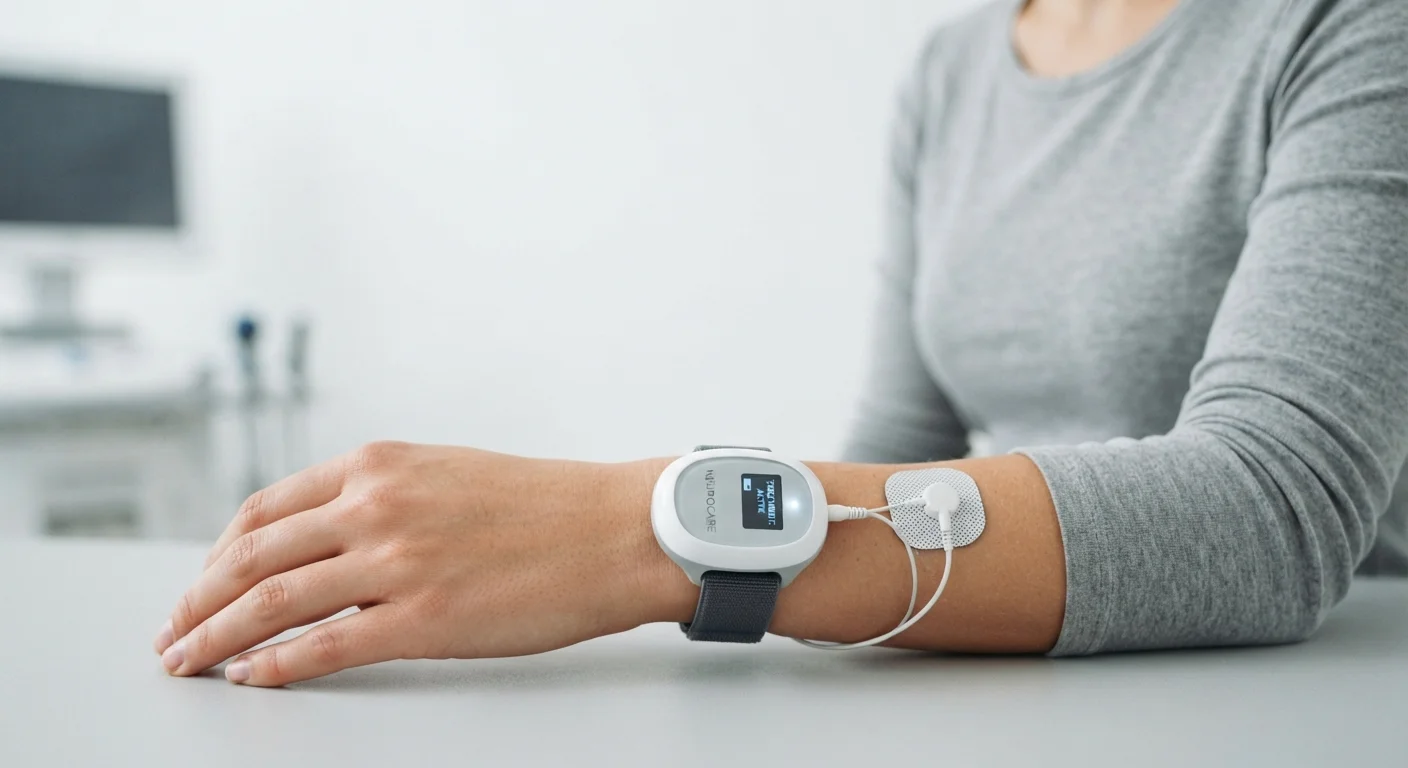
Photo: HerbHealWellness.com | Modern Guide To Wellness editorial
What Makes a Device 'Therapeutic'
Wearable therapeutic devices are a distinct category of medical equipment designed to deliver an active intervention — not merely record data. Where a fitness tracker logs your heart rate, a wearable therapeutic device might apply electrical stimulation, calibrated compression, heat, or medication directly to your body. Understanding this distinction matters because it shapes both how these devices are regulated and what a user can expect from them.
For broader context on therapeutic devices in general, see our guide to therapeutic devices. This article focuses specifically on wearable formats — those worn on or against the body during daily life or structured therapy sessions.
Therapeutic vs. Monitoring Wearables
Major Categories of Wearable Therapeutic Devices
The landscape breaks down into five broad functional categories:
- Electrical Stimulation Devices — These include TENS units, neuromuscular electrical stimulators (NMES), and functional electrical stimulation (FES) garments. They deliver controlled electrical pulses to nerves or muscles, with applications ranging from pain relief to motor rehabilitation after stroke. FES devices, in particular, can assist paralyzed limbs in performing purposeful movement.
- Compression and Mechanical Therapy Devices — Wearable compression garments and portable pneumatic compression sleeves apply graduated pressure to limbs. Clinicians use them to manage conditions such as lymphedema, deep vein thrombosis risk, and post-surgical swelling.
- Thermal and Light Therapy Devices — Wearable infrared wraps and photobiomodulation devices deliver heat or low-level light to targeted tissue. These are used for pain modulation and injury recovery, though evidence varies by application and device type.
- Drug-Delivery Wearables — Iontophoresis patches and transdermal drug-delivery systems use electrical current or diffusion to administer medication through the skin. These require clinician supervision and, in most cases, a prescription.
- Powered Orthoses and Exoskeletons — Motorized braces and robotic exoskeletal supports assist movement in individuals with neurological or musculoskeletal impairment. These are among the most complex wearable therapeutic devices and are typically used in supervised clinical settings.
TENS
Transcutaneous electrical nerve stimulation — a therapy that delivers low-voltage electrical current through the skin via adhesive electrodes to modulate pain signals. It is non-invasive and widely used for musculoskeletal pain management.
Functional Electrical Stimulation (FES)
A technique that applies electrical pulses to nerves or muscles to produce functional movement, typically used in rehabilitation for individuals with neurological conditions such as stroke or spinal cord injury.
Photobiomodulation
The use of low-level light or laser energy applied to tissue to support cellular processes. Wearable devices using this principle are sometimes called low-level laser therapy (LLLT) or red-light therapy devices.
Compression Therapy
The application of calibrated mechanical pressure to body tissues — typically limbs — to improve venous blood return and reduce swelling. Garments and pneumatic devices both deliver this therapy.
Iontophoresis
A drug-delivery technique that uses a mild electrical current to drive ionized medication through the skin, bypassing the need for injection. Used in physical therapy and dermatology.
Orthosis
An externally applied device designed to support, align, correct, or compensate for weakness or deformity of a body part. Wearable orthoses range from simple braces to powered robotic exoskeletons.
Regulatory Status and Safety Expectations
In the United States, the FDA classifies most wearable therapeutic devices as Class II medical devices, meaning manufacturers must demonstrate they are substantially equivalent to a legally marketed predicate device before sale. Some lower-risk devices — such as basic TENS units — are available over-the-counter, while more complex systems require a clinician's prescription.
| Regulatory oversight (US) | FDA classifies most therapeutic wearables as Class II medical devices, requiring premarket notification (510(k)) (U.S. Food & Drug Administration) |
| Primary therapeutic mechanisms | Electrical stimulation, mechanical compression, thermal energy, light energy, and drug delivery |
| Common clinical applications | Pain management, stroke rehabilitation, lymphedema, incontinence, wound healing |
| Typical prescription status | Some devices are OTC; others require a clinician prescription or supervised use (FDA OTC vs. prescription device classifications) |
| Key safety consideration | Many devices are contraindicated for people with implanted electronic devices such as pacemakers |
| Related monitoring context | Distinct from wearable diagnostic sensors, which collect data rather than deliver treatment |
Regardless of regulatory pathway, users should be aware of standard safety considerations:
- Most electrical stimulation devices are contraindicated for people with implanted cardiac devices such as pacemakers or defibrillators.
- Compression devices carry specific pressure parameters; incorrect use can worsen circulatory problems.
- Wearable drug-delivery systems should only be used under clinician supervision to avoid unintended systemic medication effects.
Before starting any therapeutic device regimen, review the key questions to raise with your provider to ensure the device is appropriate for your health profile.
What to Expect When Using These Devices
First-time users often have questions about sensation, duration, and outcomes. A few general principles apply across most wearable therapeutic categories:
- Sensation varies by device type. Electrical stimulation produces a tingling or buzzing feeling; intensity should be perceptible but not painful. Compression devices feel like graduated squeezing. Light therapy devices typically produce only mild warmth, if any sensation at all.
- Treatment is typically time-limited. Most protocols involve sessions ranging from 20 minutes to an hour, repeated across days or weeks. Chronic conditions may require ongoing use.
- Results are not immediate or guaranteed. Therapeutic outcomes depend on the condition being treated, device parameters, and individual physiology. No device can guarantee a specific result.
- Clinician involvement matters. Even for OTC devices, a healthcare professional can help establish appropriate settings, duration, and placement — particularly for complex presentations.
For a broader understanding of how these tools compare with home monitoring equipment, explore the field guide to home health monitoring devices.
This article is for general informational purposes only and does not constitute medical advice. Always consult a qualified healthcare professional before beginning treatment with any therapeutic device, particularly if you have an existing health condition or use implanted medical devices.
The content on this site is for informational purposes only and is not a substitute for professional advice. Always consult a qualified professional for guidance specific to your situation.