
Antidepressants and the Brain: A Clearer Picture Than 'Chemical Imbalance'

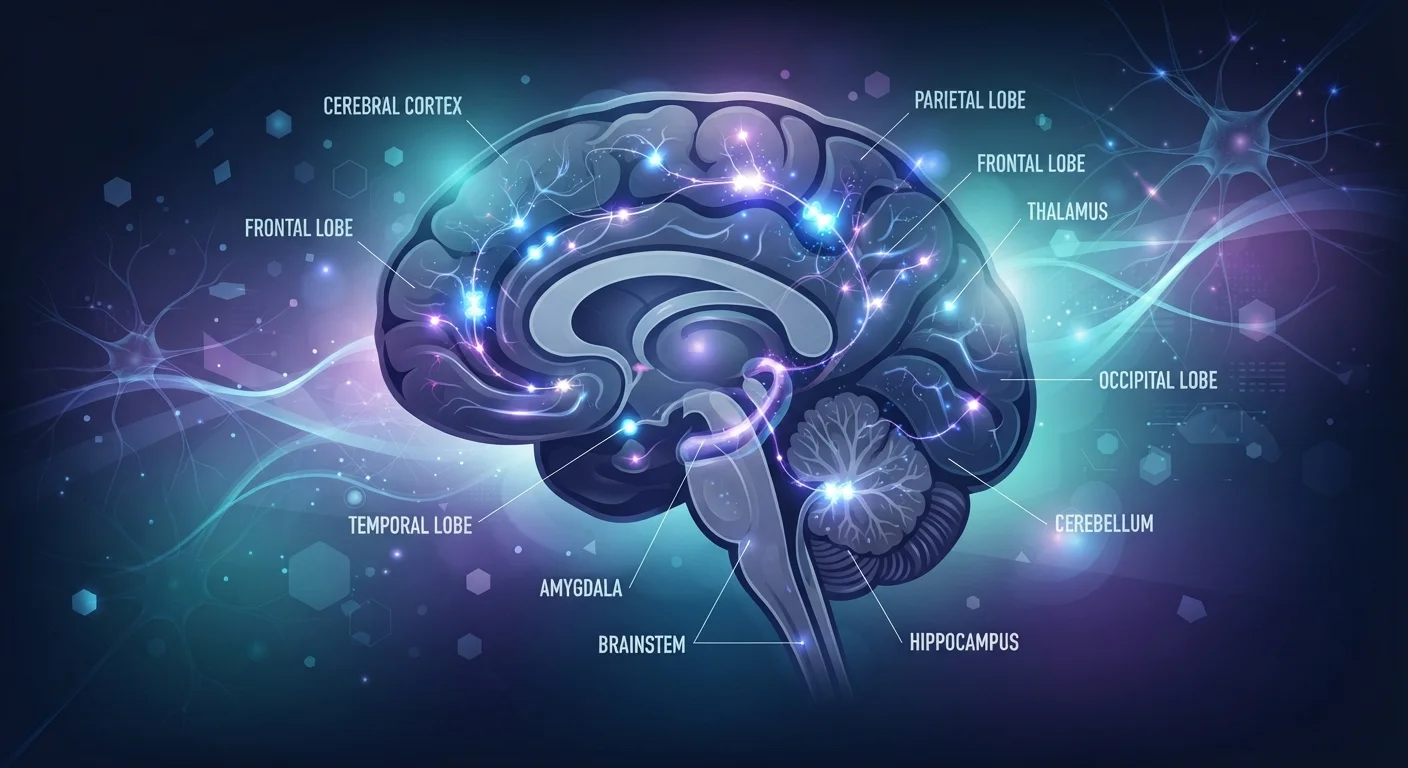
Photo: HerbHealWellness.com | Modern Guide To Wellness editorial
Key Takeaways
- The 'chemical imbalance' theory of depression is a significant oversimplification not fully supported by current evidence.
- Antidepressants influence neurotransmitter activity, but their therapeutic benefit likely involves broader changes in brain structure and function.
- Different classes of antidepressants target different receptor systems, which is why responses vary between individuals.
- Antidepressants typically take several weeks to work, suggesting their effects go beyond immediate chemical changes.
- Depression is a multifactorial condition involving genetics, environment, brain structure, and life experience.
Where the 'Chemical Imbalance' Idea Came From
The chemical imbalance explanation became popular in the 1990s, partly driven by pharmaceutical marketing and partly by a genuine scientific hypothesis. Researchers had observed that certain drugs affecting the neurotransmitter serotonin seemed to help people with depression. From this, a simplified story emerged: depression equals low serotonin; antidepressants raise serotonin; problem solved.
This narrative was easy to communicate and helped reduce some of the stigma around depression by framing it as a biological condition. However, the underlying science was always more tentative than the public messaging suggested. Researchers never established a reliable method to measure serotonin levels in the living human brain, and studies attempting to induce depression by depleting serotonin in healthy volunteers produced inconsistent results.
A prominent review published in the journal Molecular Psychiatry in 2022 examined the available evidence and concluded there is no consistent support for the idea that depression is caused by reduced serotonin activity. This does not mean antidepressants don't work — it means the explanation for why they work needs updating.
Challenging the Theory Doesn't Dismiss the Treatment
What Antidepressants Actually Do in the Brain
Antidepressants interact with the systems neurons use to communicate — specifically the spaces between nerve cells called synapses. The most commonly prescribed type, SSRIs (selective serotonin reuptake inhibitors), block the reabsorption of serotonin after it has been released, leaving more of it available in the synapse. SNRIs do the same for both serotonin and norepinephrine.
But this immediate chemical shift happens within hours of the first dose. The problem is that people don't feel better within hours — they typically feel better after two to six weeks of consistent use. This gap is one of the strongest clues that the medications are triggering downstream changes that take time to develop.
One increasingly supported explanation involves neuroplasticity — the brain's capacity to reorganize itself by forming new neural connections. Antidepressants appear to promote the growth of neurons and synaptic connections, particularly in regions like the hippocampus, which plays a role in mood regulation and stress response. This structural remodeling, rather than a simple boost in serotonin, may be what actually relieves symptoms.
2–6 weeks
Typical onset time for antidepressant benefits
The delayed therapeutic effect is a key indicator that antidepressants work through slow neurobiological changes, not immediate chemical correction.
~50%
Patients who respond to first antidepressant tried
According to the STAR*D study, roughly half of patients do not achieve remission with their first antidepressant, highlighting the need for individualized treatment.
Multiple
Brain systems involved in depression
Research links depression to changes across serotonin, norepinephrine, dopamine, and glutamate systems, as well as neuroinflammation and structural brain changes.
Depression Is More Than One Thing
Understanding why the chemical imbalance model falls short requires recognizing that depression itself is not a single, uniform condition. It encompasses a broad range of symptoms — from persistent low mood and fatigue to changes in appetite, sleep disruption, and cognitive difficulties — that can have very different underlying causes from person to person.
Genetic factors, early-life stress, chronic illness, hormonal changes, and social circumstances all contribute to how depression develops and presents. This heterogeneity is one reason no single medication works for everyone, and why some people respond to one antidepressant but not another.
Depression is also not purely a brain chemistry issue. Inflammation, hormonal systems, and even gut microbiome health are active areas of research. Antidepressants likely work, in part, because they interact with several of these overlapping systems — not because they correct one specific deficit.
This complexity also helps explain why antidepressants are typically most effective when combined with psychological therapies. Depression in men, for instance, can present very differently than textbook descriptions, making it harder to diagnose and treat. See our overview of how depression is underdiagnosed in men for more on how the condition can be missed.
Talk to Your Pharmacist About What to Expect
What This Means for You as a Patient
None of this should undermine confidence in antidepressants as a treatment option. Clinical evidence consistently shows that these medications reduce symptoms of depression for many people. The point is not that they don't work — it's that a simplistic explanation obscures a more empowering truth: your brain is dynamic, capable of change, and responds to treatment in nuanced ways.
If you're prescribed an antidepressant, a few things are worth knowing. First, it may take several weeks before you notice a difference — this is expected and does not mean the medication is failing. Second, finding the right medication sometimes requires adjustment; your prescriber may need to try different options or doses before landing on what works best for you. Third, antidepressants should never be stopped abruptly without guidance from your provider.
Ask your pharmacist or prescribing clinician about what to expect from your specific medication, how to manage any side effects, and what signs to watch for. Being informed about how your treatment works — even at a general level — can help you stay engaged and patient through the process.
This article provides general health information for educational purposes only and is not a substitute for professional medical advice, diagnosis, or treatment. Always consult a qualified healthcare provider with any questions you have regarding a medical condition or medication.
Frequently Asked Questions
The content on this site is for informational purposes only and is not a substitute for professional advice. Always consult a qualified professional for guidance specific to your situation.