
Statins, Beta-Blockers, ACE Inhibitors: How Common Heart Drugs Work

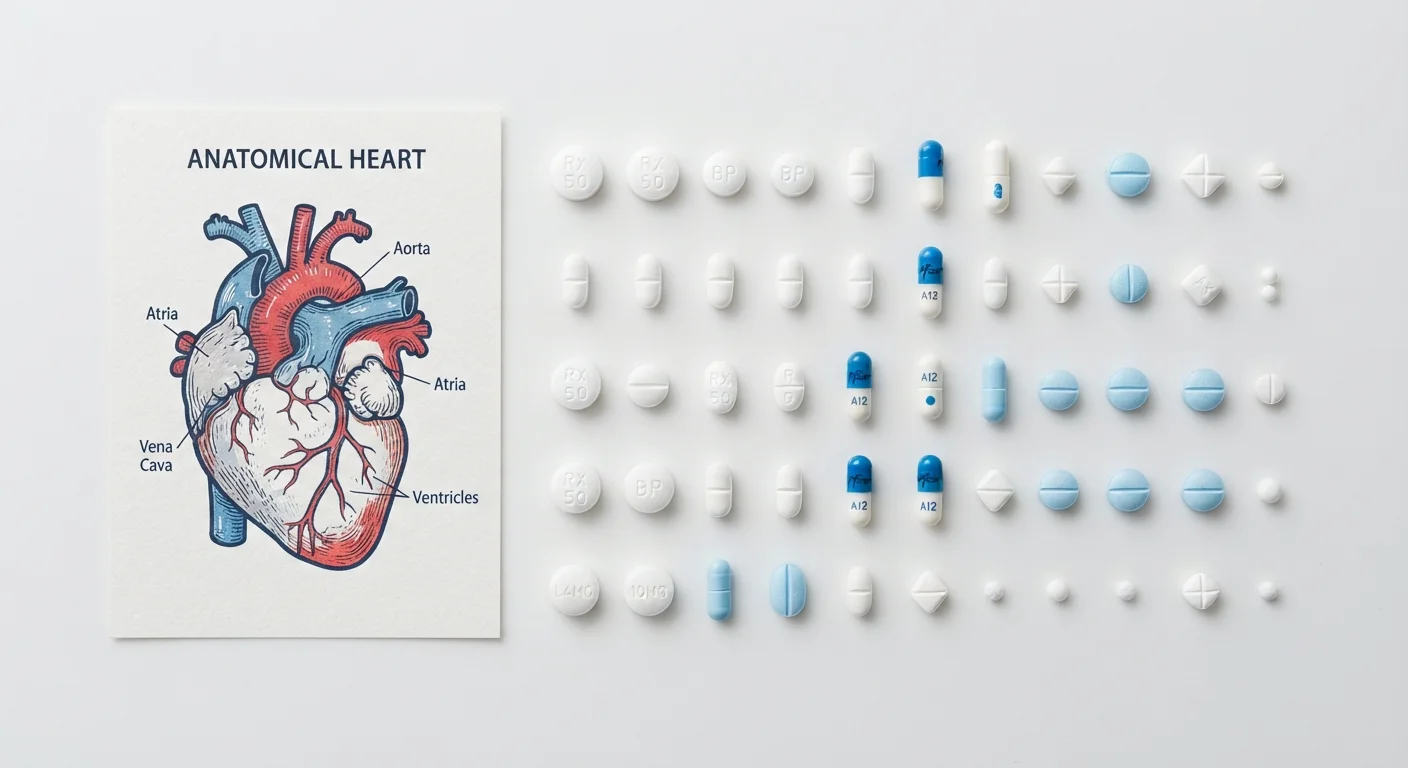
Photo: HerbHealWellness.com | Modern Guide To Wellness editorial
Key Takeaways
- Statins reduce the liver's production of LDL cholesterol, helping to slow the buildup of arterial plaque.
- Beta-blockers lower heart rate and reduce the heart's workload, making them useful in heart failure and hypertension.
- ACE inhibitors relax blood vessels by blocking a hormone chain that normally causes them to constrict.
- Each drug class works through a distinct mechanism and is prescribed for specific cardiovascular conditions.
- Never start, stop, or change these medications without guidance from your prescribing provider or pharmacist.
Why Understanding Your Heart Medication Matters
Cardiovascular medications are among the most prescribed drugs in the United States. Millions of people take statins, beta-blockers, or ACE inhibitors daily — often for years — yet many aren't sure what these drugs are actually doing inside their bodies. That knowledge gap matters: understanding a drug's mechanism can help you recognize why you're taking it, what side effects to watch for, and when to flag concerns with your care team.
This article breaks down how three of the most common heart drug classes work — in plain language, without requiring a medical degree to follow along. It covers general mechanisms, not personal dosing or treatment decisions. Always consult your prescriber or pharmacist for guidance specific to your situation.
Statins: Dialing Down Cholesterol Production
Statins work primarily in the liver. Your liver naturally produces an enzyme called HMG-CoA reductase, which is a key step in manufacturing cholesterol. Statins block this enzyme, reducing the amount of LDL (low-density lipoprotein) cholesterol the liver releases into the bloodstream.
Lower circulating LDL means less cholesterol available to accumulate in artery walls. Over time, this can slow the progression of atherosclerosis — the gradual buildup of fatty plaques that narrows arteries and raises the risk of heart attack and stroke. Some research also suggests statins have modest anti-inflammatory effects on artery walls, though cholesterol reduction is their primary established benefit.
Common side effects include muscle aches, and in rare cases more serious muscle breakdown. Periodic liver function monitoring may be recommended depending on individual risk factors.
Statins block the liver enzyme that manufactures cholesterol, reducing LDL levels in the bloodstream.
Beta-Blockers: Putting the Brakes on the Heart
Your heart responds to stress hormones — primarily adrenaline (epinephrine) — by beating faster and harder. Beta-blockers work by occupying the beta-adrenergic receptors that adrenaline normally binds to, effectively muffling that signal.
The result is a slower, less forceful heartbeat. This reduces how hard the heart has to work with each contraction — a meaningful benefit in conditions like heart failure, where an overworked heart muscle gradually weakens. Beta-blockers also lower blood pressure and can stabilize irregular heart rhythms, which is why they're prescribed across a range of cardiac conditions including arrhythmias, post-heart attack recovery, and certain types of angina.
Because they slow heart rate, some people experience fatigue, cold hands and feet, or dizziness when starting beta-blockers. They are generally not stopped abruptly, as this can trigger a rebound increase in heart rate — always follow your provider's instructions on tapering.
Beta-blockers block adrenaline receptors on the heart, reducing its rate and workload significantly.
ACE Inhibitors: Relaxing the Blood Vessel Walls
ACE inhibitors target a hormonal pathway called the renin-angiotensin-aldosterone system (RAAS). Under normal conditions, your kidneys release an enzyme called renin, which triggers a cascade that eventually produces a hormone called angiotensin II. Angiotensin II is a potent vasoconstrictor — it signals blood vessels to tighten, raising blood pressure.
ACE inhibitors block the angiotensin-converting enzyme (ACE) that converts an inactive precursor into angiotensin II. With less angiotensin II circulating, blood vessels relax and widen. This reduces the resistance the heart pumps against, lowering blood pressure and easing the heart's workload.
ACE inhibitors are widely used for hypertension, heart failure, and kidney protection in people with diabetes. A persistent dry cough is one of their most recognized side effects, affecting a meaningful proportion of users. A related drug class — angiotensin receptor blockers, or ARBs — works on the same system but at a later step, and is sometimes used when cough becomes intolerable.
ACE inhibitors interrupt a hormonal chain reaction that constricts blood vessels, allowing them to relax.
Putting It All Together
These three drug classes each target a different part of cardiovascular disease. Statins address the cholesterol and plaque side of the equation. Beta-blockers slow and steady the heart's electrical and mechanical activity. ACE inhibitors take pressure off the blood vessel walls by interrupting a hormonal signaling chain.
Talk to Your Pharmacist About Side Effects
It's also worth knowing that heart medications can interact with vitamins, herbal supplements, and over-the-counter products. If you take any supplements alongside a prescription cardiovascular drug, it's worth raising this with your pharmacist — see our overview of supplements and prescription drug interactions for combinations worth discussing.
This article is for general informational and educational purposes only and is not a substitute for professional medical advice, diagnosis, or treatment. Always speak with a qualified healthcare provider before making any changes to your medications.
The content on this site is for informational purposes only and is not a substitute for professional advice. Always consult a qualified professional for guidance specific to your situation.