
Widespread Misconceptions About How Antibiotics Work

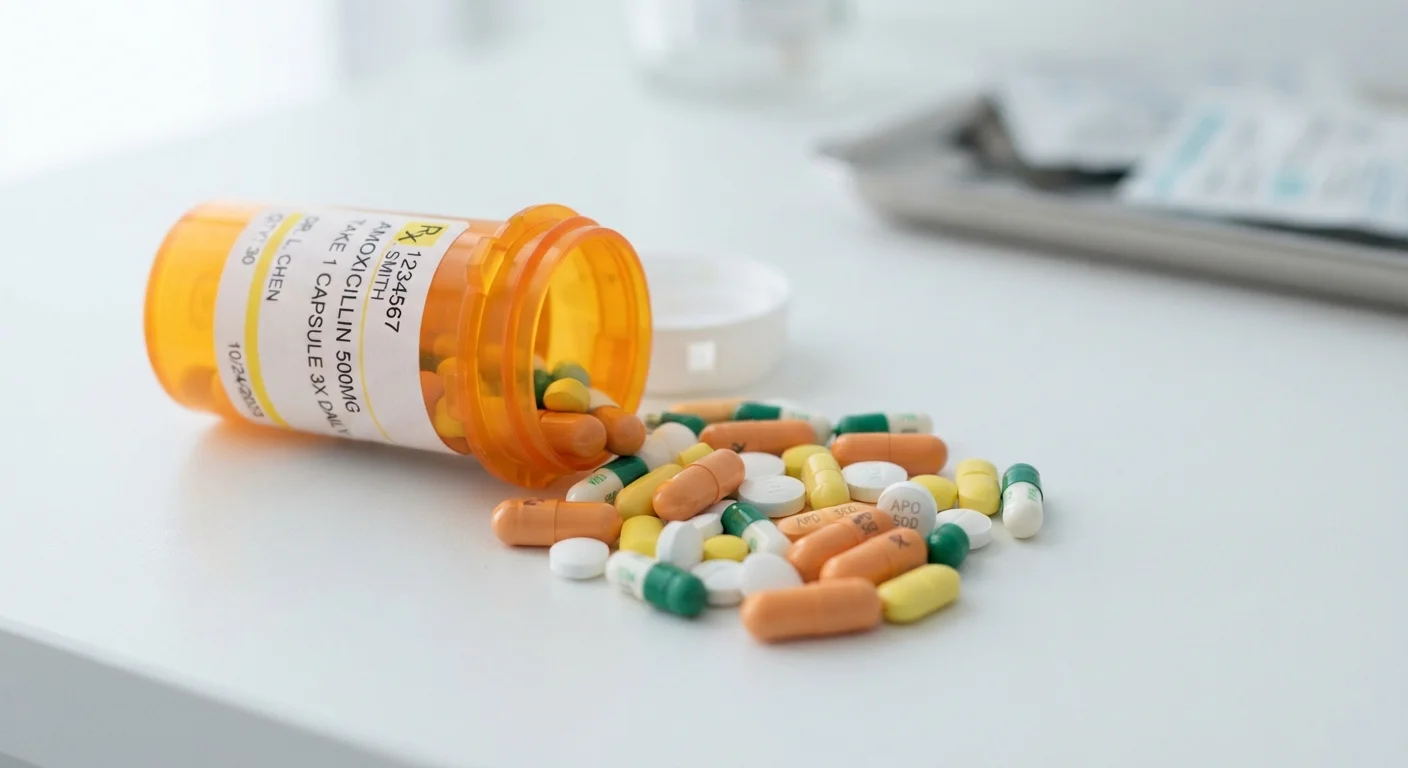
Photo: HerbHealWellness.com | Modern Guide To Wellness editorial
Key Takeaways
- Antibiotics only fight bacterial infections — they have no effect on viruses like colds or flu.
- Stopping a course early can leave surviving bacteria behind and contribute to resistance.
- Antibiotic resistance is a public health problem worsened by misuse and overuse.
- Antibiotics do not strengthen or boost your immune system — they work independently of it.
- Always consult a healthcare provider before taking, stopping, or sharing antibiotics.
Why Antibiotic Myths Are a Real Health Problem
Antibiotics have saved hundreds of millions of lives since penicillin entered widespread clinical use in the 1940s. Yet persistent misconceptions about how they work — and when to use them — continue to drive harmful prescribing habits, premature course abandonment, and the accelerating global crisis of antibiotic resistance.
Understanding the basics of how these drugs actually function isn't just academic. It shapes everyday decisions: Do you ask your doctor for an antibiotic when you have a cold? Do you stop taking the pills once you feel better? Do you share a leftover course with a family member? The answers matter — both for your health and for broader public health outcomes.
For a wider look at how infection-related myths cause confusion, see our roundup of common infection myths.
Myth
Antibiotics can clear up a cold, the flu, or COVID-19 if taken early enough.
Fact
Antibiotics have no effect on viruses whatsoever — they only target bacteria.
This is probably the most damaging antibiotic myth in circulation. Antibiotics work by disrupting structures or processes specific to bacterial cells — such as cell wall synthesis, protein production, or DNA replication. Viruses have none of these structures. They are not cells at all; they are particles that hijack your own cells to replicate. An antibiotic has no mechanism by which it can interfere with a virus.
Taking antibiotics for a viral illness doesn't speed recovery, reduce symptoms, or prevent complications in healthy adults. What it does do is expose your gut microbiome to disruption and contribute to resistance. If your provider doesn't prescribe an antibiotic for your cold, that is not an oversight — it is appropriate clinical judgment.
Myth
Once you feel better, you can stop taking the antibiotic — no need to finish the full course.
Fact
Stopping early may leave bacteria alive that are harder to kill, potentially worsening the infection or contributing to resistance.
Feeling better doesn't mean the infection is fully cleared. Antibiotics need time to reduce the bacterial load to a level your immune system can handle. Stop too soon, and you may leave a small surviving population — often the more resilient bacteria — that can rebound and cause a relapse, sometimes harder to treat than the original infection.
That said, guidance on optimal course lengths is an active area of research. Some shorter courses are now considered effective for certain infections. The key point is that your course length should be determined by your prescribing provider — not by how quickly your symptoms resolve. Never shorten or extend a course on your own initiative.
Myth
Antibiotics boost your immune system and help your body fight infection faster.
Fact
Antibiotics do not interact with or stimulate the immune system — they act directly on bacteria.
Your immune system and antibiotics operate through entirely separate mechanisms. Antibiotics reduce the bacterial burden so your immune system has less work to do, but the drug itself doesn't prime, enhance, or train immune cells. In fact, some antibiotics can modestly suppress certain immune functions, though this is rarely clinically significant at standard doses.
The confusion may arise because recovery often happens while taking antibiotics, leading people to attribute the improvement to immune strengthening. The real dynamic is that removing the bacterial trigger allows the immune response — and your symptoms — to settle down.
Myth
If one antibiotic doesn't seem to be working quickly, taking more or a stronger one will help.
Fact
Antibiotic selection and dosing must be guided by the specific bacteria involved and your clinical situation — more is not better.
Different antibiotics target different types of bacteria through different mechanisms. A drug that works against a gram-positive organism may be completely ineffective against a gram-negative one. Taking a higher dose of the wrong antibiotic — or combining antibiotics without medical guidance — won't resolve an infection and can cause serious side effects, including liver or kidney toxicity and dangerous disruption of gut bacteria.
If you feel an antibiotic isn't working, contact your healthcare provider. They may order a culture to identify the organism and its sensitivities, or reconsider the diagnosis entirely. Self-adjusting dosing is never appropriate.
Myth
Antibiotic resistance is the bacteria's problem — it doesn't affect me personally.
Fact
Antibiotic resistance is a direct personal health risk, not just a population-level concern.
When resistant bacteria cause an infection in you or someone you love, standard first-line treatments may fail. Treatment may require more toxic drugs, longer hospital stays, or intravenous administration. In severe cases, no effective antibiotic may exist. Resistant infections already cause tens of thousands of deaths in the US each year, according to the Centers for Disease Control and Prevention (CDC).
Every instance of unnecessary antibiotic use — in humans or in agriculture — adds to the selective pressure driving resistance. The choices made at an individual level aggregate into a public health outcome that affects everyone. Understanding this connection is part of being an informed patient.
The Bigger Picture: Resistance, Stewardship, and Your Role
Every time an antibiotic is used unnecessarily — for a viral sore throat, a mild cold, or a self-limiting stomach bug — it creates selection pressure that favors resistant bacteria. Those bacteria can survive, multiply, and spread. This isn't a distant problem: the World Health Organization identifies antimicrobial resistance as one of the greatest threats to global health.
~47M
Unnecessary antibiotic prescriptions issued annually in the US
The CDC has estimated that nearly 47 million antibiotic courses prescribed in US outpatient settings each year are unnecessary, primarily for viral infections.
35,000+
Annual US deaths linked to antibiotic-resistant infections
According to the CDC's Antibiotic Resistance Threats report, more than 35,000 people in the United States die each year from antibiotic-resistant infections.
Good antibiotic stewardship starts with informed patients. That means not pressuring providers for a prescription, completing courses as directed, and never using leftover antibiotics from a previous illness. The facts behind antibiotic course myths are worth reviewing if you've ever wondered about stopping early or saving pills.
Never Share or Self-Prescribe Antibiotics
This article is for general informational purposes only and does not constitute medical advice. Always consult a qualified healthcare provider for guidance about your specific health situation, symptoms, or medications.
The content on this site is for informational purposes only and is not a substitute for professional advice. Always consult a qualified professional for guidance specific to your situation.