
Things People Get Wrong About Antibiotic Courses

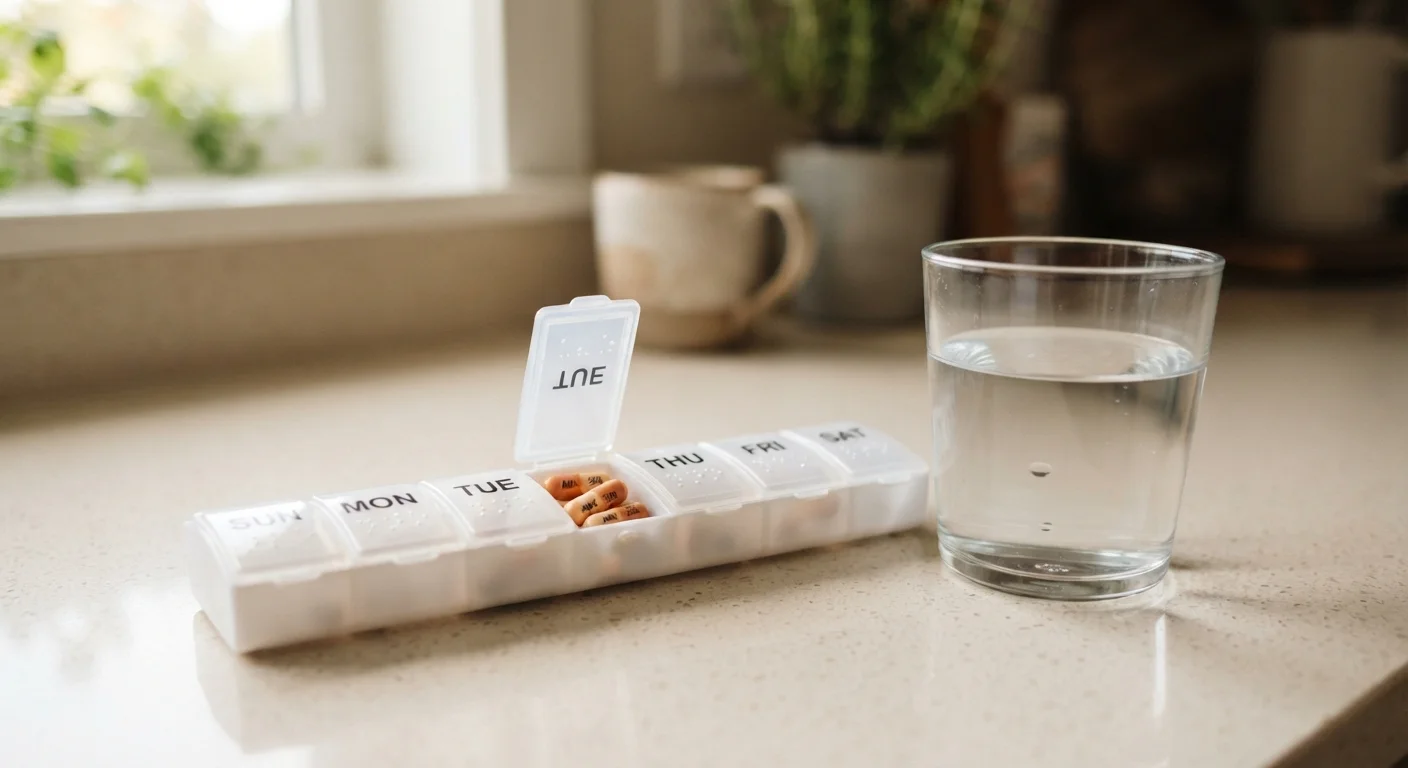
Photo: HerbHealWellness.com | Modern Guide To Wellness editorial
Key Takeaways
- Stopping antibiotics early — even when you feel better — can allow resistant bacteria to survive and multiply.
- Antibiotics are ineffective against viruses, including the common cold and most cases of flu.
- Sharing or saving leftover antibiotics is unsafe and may be illegal depending on your state.
- Antibiotic resistance is a direct consequence of misuse and overuse at the individual level.
- Always consult a healthcare provider before starting, stopping, or skipping any antibiotic dose.
Why Antibiotic Myths Matter More Than You Might Think
Antibiotics rank among the most prescribed and most misunderstood medications in the US. When people act on misconceptions — stopping a course early, demanding a prescription for a cold, or sharing leftover pills — the consequences reach well beyond a single patient. Antibiotic resistance is now recognized as a global public health threat, and individual behavior plays a meaningful role in driving it.
The myths below are not just harmless misunderstandings. They can delay recovery, worsen infections, and contribute to treatment-resistant bacteria that are harder — and sometimes impossible — to cure. For a broader look at how common beliefs about medications can go wrong, see our guide to drug safety myths.
Myth
Once you feel better, it's fine to stop taking your antibiotics.
Fact
Feeling better does not mean the infection is fully cleared. Stopping early can leave surviving bacteria — potentially the most resistant ones — free to multiply.
Symptoms typically improve before all the bacteria causing an infection have been eliminated. The bacteria that persist longest tend to be those hardest to kill. Stopping a course early gives these hardier bacteria a survival advantage, increasing the risk that your infection returns — and that it may be more difficult to treat the second time. Always complete the prescribed course unless a provider specifically tells you otherwise.
Myth
Antibiotics will help you recover faster from a cold or the flu.
Fact
Colds and most cases of flu are caused by viruses. Antibiotics act only on bacteria and have no effect on viral infections whatsoever.
Requesting or taking an antibiotic for a viral illness exposes you to real side effects — including diarrhea, allergic reactions, and disruption of your gut microbiome — with zero therapeutic benefit. It also contributes to antibiotic resistance. If your provider does not prescribe an antibiotic for your respiratory illness, that is evidence-based medicine, not oversight. Rest, hydration, and symptom-relieving over-the-counter options are the appropriate tools for most viral infections.
Myth
Saving leftover antibiotics for next time is smart and saves money.
Fact
Leftover antibiotics are rarely the right drug, dose, or course length for a future infection — and self-prescribing can mask serious conditions that require proper diagnosis.
Different bacterial infections require specific antibiotic classes. Taking the wrong antibiotic may do nothing, cause side effects, or allow the actual infection to worsen untreated. Additionally, a partial leftover course is almost never enough pills for a full treatment. In many US states, dispensing prescription medication to someone other than the named patient violates pharmacy law. Unused antibiotics should be disposed of through an FDA-authorized drug take-back program.
Myth
If an antibiotic worked for a family member's similar infection, it will work for you too.
Fact
Antibiotic selection depends on the specific bacteria involved, local resistance patterns, your medical history, and any other medications you take — not just symptom similarity.
Two people with apparently identical symptoms may have infections caused by different bacterial strains or even different types of organisms entirely. What's more, resistance patterns vary by region and change over time — an antibiotic that reliably cleared an infection in your area two years ago may now encounter resistant strains. A provider may culture a sample or consult local resistance data before selecting the most appropriate drug. There is no safe shortcut to this process.
Myth
Taking a higher or longer dose is always more effective.
Fact
Antibiotic dosing is calibrated to be effective while minimizing harm. Higher doses increase side effect risk and can cause serious complications without improving outcomes.
Dose and duration are determined by the drug's pharmacokinetics — how it moves through the body — and the minimum concentration needed to eliminate the target bacteria. Exceeding prescribed doses raises the risk of toxicity, organ stress, and severe disruption to beneficial gut bacteria. Researchers have also found that shorter, correctly dosed courses are often as effective as longer ones for certain infections, which is why guidelines are regularly updated. Never adjust your dose without professional guidance.
What These Myths Tell Us About How We Think About Medicine
Many antibiotic myths stem from a reasonable but incomplete logic: if I feel better, the infection is gone; if it worked before, it will work again. These instincts make sense in everyday life but don't map accurately onto how bacterial infections and antibiotics interact at a biological level.
~30%
Antibiotic prescriptions that may be unnecessary
The CDC has estimated that roughly 30% of antibiotic prescriptions written in outpatient settings in the US may be unnecessary, primarily for viral conditions.
2.8M+
Antibiotic-resistant infections per year in the US
According to CDC data, more than 2.8 million antibiotic-resistant infections occur in the United States each year, resulting in tens of thousands of deaths.
Infections that look the same — a sore throat, a chest cough, an ear ache — can have entirely different causes. A viral sore throat and a strep throat (caused by bacteria) may feel identical but require completely different responses. Only a provider can reliably tell the difference, often with a rapid test. For more on how infections are commonly misunderstood, our infection myths explainer goes deeper into the evidence.
Never Self-Prescribe or Share Antibiotics
Understanding how antibiotics actually work is the foundation for using them correctly. Our overview of how antibiotics work addresses the most widespread mechanistic myths in plain language.
This article is for informational purposes only and is not medical advice. Always consult a qualified healthcare provider regarding any medication or treatment decision.
The content on this site is for informational purposes only and is not a substitute for professional advice. Always consult a qualified professional for guidance specific to your situation.