
Plant-Based, Vegan, and Vegetarian Eating: Understanding the Differences

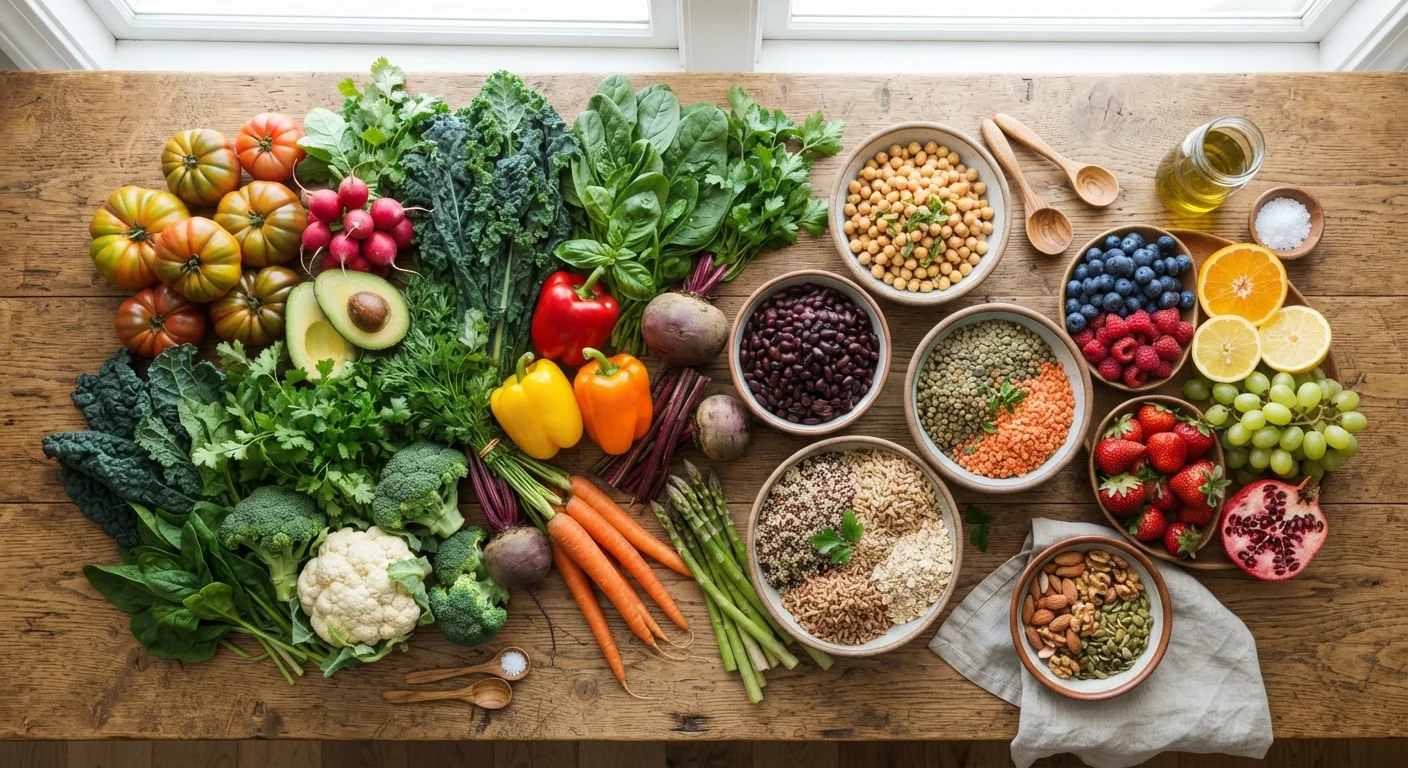
Photo: HerbHealWellness.com | Modern Guide To Wellness editorial
Key Takeaways
- Vegetarian diets exclude meat but may still include dairy, eggs, or fish depending on the subtype.
- Vegan diets eliminate all animal products, including dairy, eggs, honey, and gelatin.
- Plant-based eating emphasizes whole plant foods and doesn't always mean fully eliminating animal products.
- Each framework carries distinct nutritional trade-offs, particularly around protein, B12, iron, and calcium.
- No single dietary label guarantees optimal health — food quality and overall dietary pattern matter most.
Why the Labels Don't Always Mean the Same Thing
The terms plant-based, vegan, and vegetarian appear interchangeably in media and on food packaging — but they describe meaningfully different dietary frameworks. Conflating them leads to confusion when evaluating nutritional research, reading food labels, or choosing an eating pattern that suits your circumstances.
Understanding what each term actually means — and what it doesn't — is the first step toward making an informed choice. For a broader glossary of diet terminology, see Diet Labels Decoded.
| Vegetarian (Lacto-Ovo) | Vegan | Plant-Based (Whole-Food) | |
|---|---|---|---|
| Meat & poultry | Excluded | Excluded | Excluded or minimized |
| Fish & seafood | Excluded (most subtypes) | Excluded | Excluded or minimized |
| Dairy & eggs | Included | Excluded | Minimized or excluded |
| Honey & gelatin | Often included | Excluded | Not specifically restricted |
| Processed food stance | Not addressed | Not addressed | Whole foods emphasized |
| Key nutrient risks | Iron, zinc, omega-3s | B12, calcium, iodine, omega-3s | Varies by animal food intake |
| Supplementation need | Situational | B12 essential; others likely | Situational |
| Definitional strictness | Moderate | High | Flexible |
Vegetarian: A Spectrum of Subtypes
Vegetarianism is defined broadly as an eating pattern that excludes animal flesh — meaning beef, poultry, pork, and seafood are not consumed. However, the term covers several distinct subtypes:
- Lacto-ovo vegetarian: Excludes meat and fish but includes dairy and eggs. The most common form in the US.
- Lacto vegetarian: Excludes meat, fish, and eggs, but includes dairy.
- Ovo vegetarian: Excludes meat, fish, and dairy, but includes eggs.
- Pescatarian: Excludes meat but includes fish and seafood. Sometimes categorized separately from vegetarianism.
From a nutritional standpoint, lacto-ovo vegetarian diets generally provide adequate protein, calcium, and B vitamins when well-planned, largely because eggs and dairy are nutrient-dense animal-derived foods. The primary nutrients requiring attention are iron (non-heme iron from plant sources is less bioavailable than heme iron from meat), zinc, and — particularly for those avoiding fish — omega-3 fatty acids.
Improving Non-Heme Iron Absorption
Vegan: Full Elimination of Animal Products
A vegan diet excludes all products derived from animals — not just meat and fish, but also dairy, eggs, honey, gelatin, and other animal-derived ingredients. This is a stricter standard than most vegetarian subtypes.
Nutritionally, veganism introduces a more demanding planning challenge. Vitamin B12 is found almost exclusively in animal foods; supplementation or consumption of fortified foods is widely considered essential for those following a vegan diet. Calcium, vitamin D, iodine, omega-3 fatty acids (specifically EPA and DHA), zinc, and complete protein intake all require deliberate attention.
Research published in peer-reviewed journals, including analyses of large cohort studies, suggests well-planned vegan diets are associated with lower rates of certain chronic diseases — but the evidence also consistently highlights the risk of nutrient deficiencies when the diet is not carefully structured. The Academy of Nutrition and Dietetics has stated that appropriately planned vegan diets can be nutritionally adequate across the life span, while emphasizing the importance of planning and, where needed, supplementation.
For a detailed look at how plant and animal protein sources compare nutritionally, see Protein Sources Compared.
Plant-Based: Emphasis on Quality, Not Just Exclusion
"Plant-based" is the most loosely defined of the three terms. In clinical nutrition research, it typically refers to a dietary pattern centered on vegetables, fruits, whole grains, legumes, nuts, and seeds — with animal products either eliminated or substantially reduced. Importantly, it does not necessarily mean vegan.
A growing body of research uses "plant-based" to describe diets that prioritize whole plant foods rather than imposing a strict animal-product exclusion. This framing matters because it shifts focus from what is excluded to what is emphasized. A diet heavy in vegan processed foods (e.g., refined snacks, plant-based burgers with long ingredient lists) could technically be vegan but would not qualify as a health-promoting plant-based diet by most clinical definitions.
Understanding the difference between whole and processed foods is particularly relevant here — food quality, not just animal-product content, determines dietary health outcomes.
~3%
US adults identifying as vegetarian
Gallup polling has consistently found approximately 3–5% of US adults identify as vegetarian, with vegan rates lower still.
~20%
Lower cardiovascular risk in plant-rich diets
A 2019 analysis in the Journal of the American Heart Association found diets highest in plant foods were associated with roughly 16–32% lower cardiovascular mortality risk.
If you're considering adopting any of these frameworks, Questions to Ask Before Starting Any Structured Eating Plan provides a useful evidence-informed checklist.
Shared Strengths and Practical Considerations
All three frameworks share a common foundation: they tend to increase consumption of fiber, antioxidants, and phytonutrients compared to a typical Western diet. Large-scale studies consistently associate higher plant food intake with reduced risk of cardiovascular disease, type 2 diabetes, and certain cancers — though these associations are influenced by many factors beyond animal-product exclusion.
Key practical considerations across all three approaches:
- B12 supplementation is essential for vegans and advisable for strict vegetarians who eat few eggs or dairy products.
- Iron absorption can be improved by pairing plant iron sources (lentils, spinach, fortified cereals) with vitamin C-rich foods.
- Protein completeness is achievable on all three plans by eating a varied diet of legumes, whole grains, nuts, and seeds throughout the day.
- Special populations — including pregnant individuals, children, older adults, and those with chronic conditions — should work with a registered dietitian before adopting any restrictive eating pattern.
These frameworks are quite different from low-carbohydrate approaches; for a contrasting comparison, see Paleo vs. Keto.
This article is for general informational and educational purposes only and does not constitute medical or dietary advice. Consult a qualified healthcare professional or registered dietitian before making significant changes to your diet, especially if you have an existing health condition.
The content on this site is for informational purposes only and is not a substitute for professional advice. Always consult a qualified professional for guidance specific to your situation.