
Why Popular Diets Produce Different Results in Different People

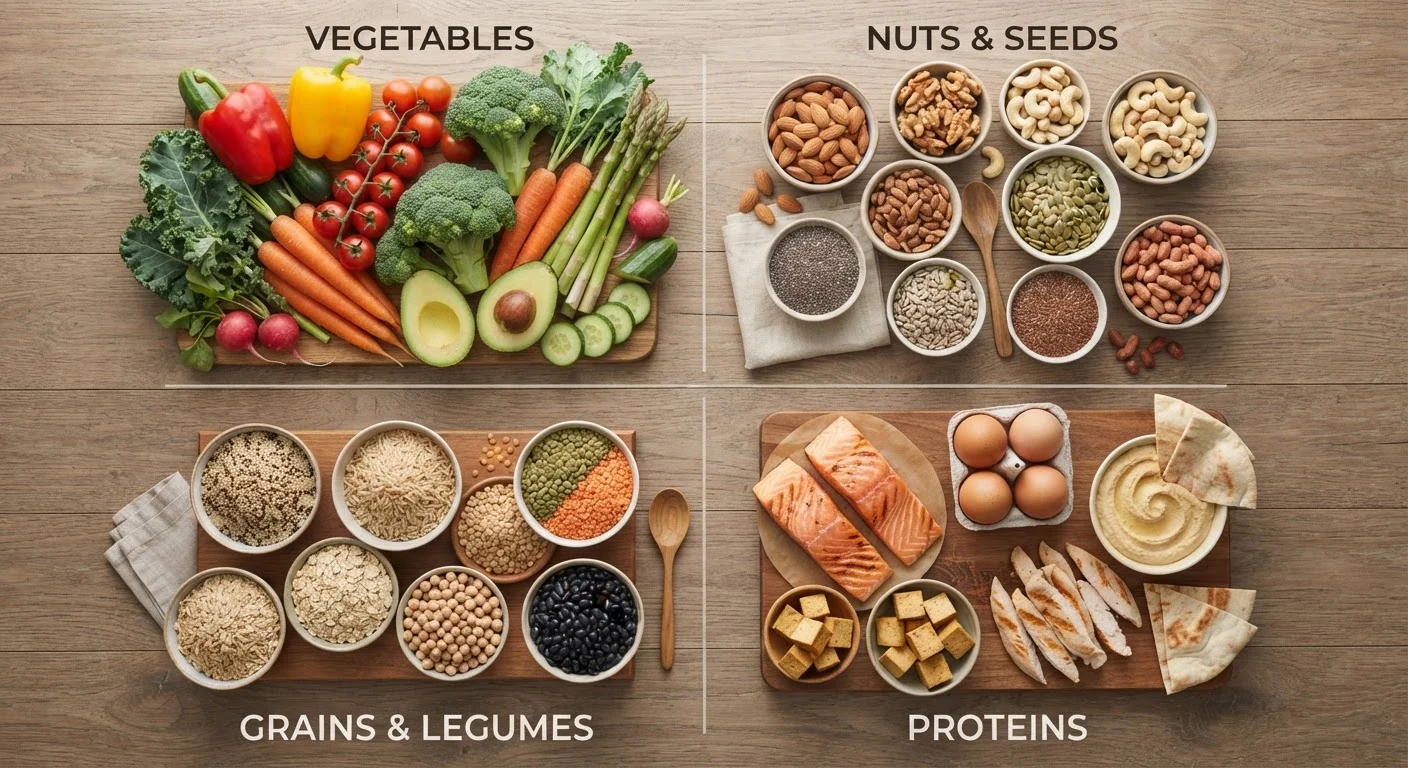
Photo: HerbHealWellness.com | Modern Guide To Wellness editorial
Key Takeaways
- Genetics influence how individuals metabolize fats, carbohydrates, and specific nutrients.
- Gut microbiome composition is highly individual and affects how foods are processed and absorbed.
- Lifestyle factors like sleep, stress, and physical activity modify how any diet performs.
- No single popular diet framework has been shown to produce superior results for all people.
- Personalized nutrition approaches are an active area of scientific research with growing evidence.
- Consulting a registered dietitian helps translate general diet science into individual guidance.
The Myth of the One-Size-Fits-All Diet
Popular diets — from Mediterranean and low-carb to intermittent fasting and plant-based eating — are often promoted as universal solutions. Yet clinical research consistently shows that individual responses to the same dietary pattern vary substantially, sometimes dramatically. Understanding why this happens is the first step toward making more informed choices about your own eating habits.
A landmark 2015 study published in Cell by researchers at the Weizmann Institute found that two people eating identical meals could have very different blood sugar responses — a key finding that challenged the idea of standardized dietary recommendations. This variation was linked primarily to individual gut microbiome composition. As the science of personalized nutrition matures, it's becoming clear that average results from diet studies may not reflect what any one individual will experience. For a closer look at how diet studies are conducted and reported, see how to read a diet study without being misled.
~10x
Variation in postprandial glucose response to identical meals
A 2015 study in Cell found that identical foods produced up to tenfold differences in blood glucose response between individuals, linked to microbiome composition.
Over 100 trillion
Microorganisms in the human gut microbiome
The NIH Human Microbiome Project has characterized the extraordinary complexity of gut microbial communities and their role in metabolism and health.
~30–70%
Heritability of BMI and metabolic traits
Twin studies and genome-wide association research suggest that a substantial portion of weight regulation and metabolic response has a genetic component.
The Role of Genetics and Metabolism
Genetic variation is one of the most studied contributors to differential diet response. The field of nutrigenomics — the study of how genes interact with dietary components — has identified specific gene variants that influence how efficiently individuals metabolize fats, process carbohydrates, absorb folate, and regulate appetite hormones.
For example, variants in the APOE gene affect how the body handles dietary cholesterol and saturated fat, which helps explain why low-fat or Mediterranean-style eating is more beneficial for some people than others. Similarly, variants near the PPARG gene have been associated with differential responses to dietary fat intake on metabolic outcomes. Metabolic rate, insulin sensitivity, and thyroid function — all partly heritable — further compound these differences. Just as the same medication dose affects people differently based on age and liver function (why one-size dosing is a starting point, not a rule), dietary prescriptions face the same biological complexity.
Track Your Own Responses Systematically
The Gut Microbiome: A Hidden Variable
The gut microbiome — the vast community of bacteria, fungi, and other microorganisms residing in the digestive tract — profoundly shapes how food is broken down and what the body ultimately absorbs. Because microbiome composition is highly individual (shaped by birth method, early diet, antibiotic history, and ongoing food choices), two people eating the same high-fiber meal may see entirely different fermentation products, caloric yields, and inflammatory signals.
Certain gut bacteria are more efficient at extracting energy from food, which may explain why some individuals gain weight more easily on the same caloric intake. Others influence how resistant starches are converted, altering blood glucose and satiety responses. This is closely connected to broader questions about nutrient absorption and bioavailability — eating the right foods doesn't automatically mean your body uses them as expected.
Microbiome Research Is Still Evolving
Lifestyle Factors That Modify Diet Outcomes
Even among people with similar genetics and microbiome profiles, lifestyle variables introduce additional variability in how diets perform. Sleep quality, chronic stress, physical activity level, and medication use all modify metabolic pathways in ways that interact with dietary patterns.
For instance, chronic sleep deprivation alters hunger hormones — raising ghrelin (which stimulates appetite) and lowering leptin (which signals fullness) — making any calorie-based diet harder to sustain. Stress-related cortisol elevation can blunt fat oxidation and promote abdominal fat storage regardless of dietary composition. Exercise type and timing also shift how carbohydrates and fats are preferentially used as fuel. This means that comparing diet outcomes without accounting for these co-factors produces misleading conclusions. Populations around the world that show strong diet-longevity associations tend to share not just food patterns, but also activity levels and social structures — as explored in dietary patterns associated with longevity.
What This Means for Choosing a Dietary Approach
The practical implication is not that diet advice is useless — it's that population-level recommendations represent starting points, not personal prescriptions. Broad patterns like emphasizing whole foods, adequate fiber, varied protein sources, and limiting ultra-processed foods have robust evidence behind them across diverse populations. What varies is how specific strategies — such as very low carbohydrate eating or time-restricted feeding — perform within those broader principles for a given individual.
If you're evaluating specific frameworks, understanding their underlying assumptions helps. Diets like paleo and keto, for example, share some structural principles but differ meaningfully in macronutrient targets and scientific rationale — a distinction worth understanding before committing, as outlined in this comparison of paleo and keto approaches. Similarly, if you're drawn to elimination-style eating, understanding where elimination diets commonly go wrong can help you avoid common pitfalls.
A registered dietitian or physician can help you interpret your own health data — including bloodwork, digestive symptoms, energy patterns, and medical history — to identify which dietary adjustments are most likely to be beneficial for you specifically. This article is for general informational purposes and does not substitute for personalized medical or nutritional advice. Always consult a qualified healthcare professional before making significant changes to your diet, especially if you have an existing health condition.
This article is for informational purposes only and is not a substitute for professional medical or nutritional advice. Consult a qualified healthcare provider before making significant dietary changes.
Frequently Asked Questions
The content on this site is for informational purposes only and is not a substitute for professional advice. Always consult a qualified professional for guidance specific to your situation.