
Preparing Your Child for Their First Eye Exam

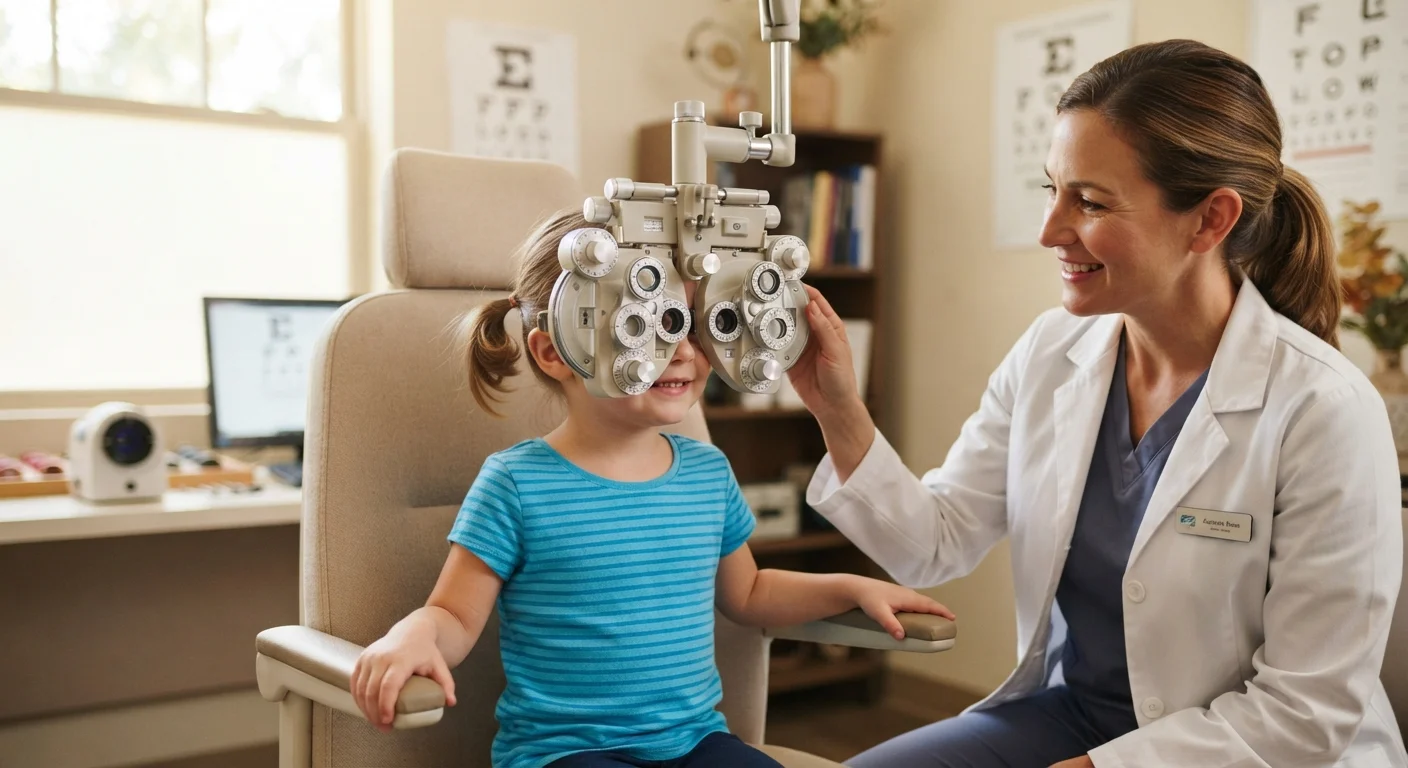
Photo: HerbHealWellness.com | Modern Guide To Wellness editorial
Key Takeaways
- Children should have their first comprehensive eye exam around age 3, or earlier if concerns arise.
- Most pediatric eye exams use picture-based charts and non-invasive tools suitable for young children.
- Talking to your child beforehand and role-playing the exam reduces anxiety significantly.
- Bring your child's medical history, any insurance cards, and a list of symptoms or concerns.
- Early detection of conditions like amblyopia and strabismus leads to better treatment outcomes.
Why a Child's First Eye Exam Matters
Vision is foundational to how children learn, play, and interact with the world. An estimated one in five school-age children has an undetected vision problem, yet many go unrecognized because children lack the frame of reference to know their vision is atypical. They adapt — often struggling unnecessarily.
Early Detection Can Be Critical
Routine comprehensive eye exams go well beyond checking whether a child can read the letters on a chart. They assess eye alignment, depth perception, color vision, and overall eye health. Problems identified early — before visual pathways fully mature — respond far better to treatment than those caught later. For context on the most common conditions pediatric exams can uncover, see our reference on children's vision problems from amblyopia to strabismus.
School Vision Screenings Are Not Substitutes
How to Prepare and What to Expect
Preparation is the most effective way to ensure a productive first exam — both logistically and emotionally. Follow the steps below to set your child up for a smooth experience.
Timing the Appointment Wisely
Schedule at the right age and interval
The American Optometric Association recommends a child's first comprehensive eye exam at around 6 months of age, a second exam at age 3, and another before starting kindergarten (around age 5 or 6). After that, annual exams are generally advised for school-age children. If your child shows any signs of vision difficulty — squinting, frequent eye rubbing, head tilting, or sitting very close to the TV — schedule an appointment sooner regardless of age. For a full breakdown of recommended intervals, see eye exam frequency by age.
Gather information before the appointment
Before the visit, collect your child's relevant medical history: birth complications, any eye injuries, current medications, and known allergies. Write down specific behaviors you've noticed that prompted concern, along with any family history of eye disease. Our article on what to bring to your eye appointment offers a thorough preparation checklist you can adapt for a pediatric visit.
[prerequisites]Talk to your child about what will happen
Briefly explain the exam in age-appropriate terms a day or two before the appointment. Describe it as a "check-up for your eyes" where the doctor will use a special light and ask them to look at pictures or letters. Emphasize that nothing will hurt. Avoid over-reassuring or building excessive anticipation, which can heighten anxiety.
Arrive prepared on exam day
Bring your insurance card, completed intake forms (many practices send these electronically in advance), and your symptom notes. Arrive a few minutes early to allow your child to acclimate to the environment before being called in. If your child wears glasses, bring them to the appointment. Bring a comfort item if it helps your child feel secure.
[tool_cards]Support your child during the exam
Stay calm and positive throughout the appointment. Young children are highly attuned to parental anxiety. Pediatric eye care providers are trained to guide children through each test patiently; your role is primarily to offer quiet encouragement from the sideline. If your child cannot complete a particular test, the provider has alternative methods suited to their age and ability level.
Review the results and follow up
At the end of the exam, the provider will explain their findings — including visual acuity, any refractive error (nearsightedness, farsightedness, or astigmatism), and overall eye health. Ask questions about any recommended treatment, including how soon it should begin and what to watch for at home. If a condition is identified, clarify the follow-up schedule. To understand what each stage of the exam measures, learn what happens during a routine eye exam.
This article is for informational purposes only and is not a substitute for professional medical or eye care advice. Always consult a qualified optometrist or ophthalmologist for guidance specific to your child's health needs.
The content on this site is for informational purposes only and is not a substitute for professional advice. Always consult a qualified professional for guidance specific to your situation.