
Why Corrected Vision Can Still Feel Off—and When to Go Back to Your Optometrist

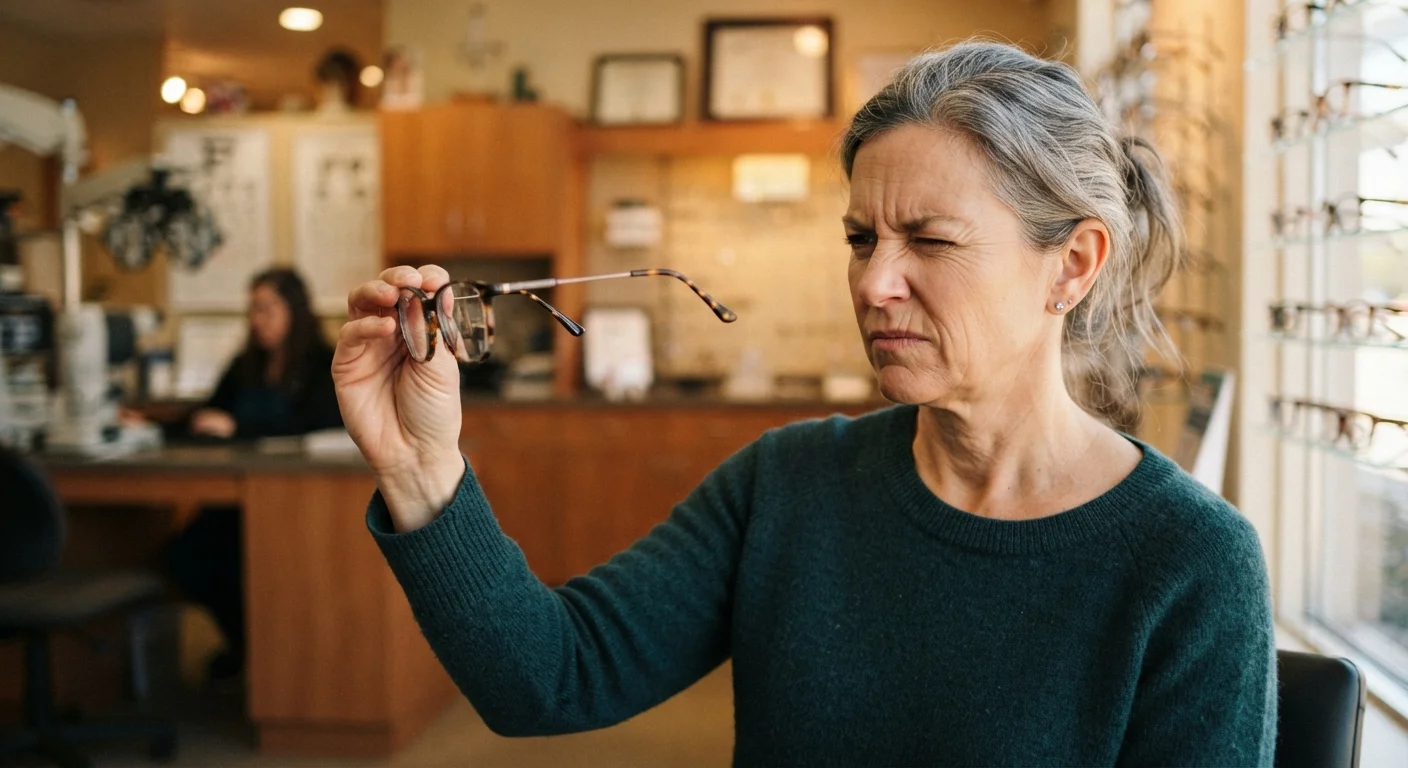
Photo: HerbHealWellness.com | Modern Guide To Wellness editorial
Key Takeaways
- A brief adjustment period after a new prescription is normal, but symptoms lasting beyond two weeks deserve attention.
- Errors in how glasses or contacts are fitted or worn are among the most common — and correctable — causes of ongoing discomfort.
- Vision changes with age, especially after 40, meaning a prescription that once worked may no longer be adequate.
- Persistent headaches, eye strain, or blurry patches after correction should always prompt a follow-up with your optometrist.
Why Corrected Vision Sometimes Still Feels Wrong
Receiving a new glasses or contact lens prescription should, in principle, bring the world into clearer focus. When it doesn't — when you're still squinting, battling headaches, or noticing blurry patches — it's easy to feel frustrated or uncertain about what to do next. The reality is that several distinct issues, ranging from simple fit problems to a genuinely inaccurate prescription, can produce similar symptoms. Understanding the difference helps you take the right next step.
A short adaptation period is genuinely normal. When a prescription changes significantly, the brain and visual system require time to recalibrate. Minor distortion at the edges of progressive lenses, for example, is expected and usually fades within days to a couple of weeks. What is not normal is discomfort that worsens, fails to improve, or is accompanied by symptoms like double vision or sudden visual loss. For background on the refractive conditions that prescriptions aim to correct, see our plain-language guide to myopia, hyperopia, astigmatism, and presbyopia.
Assuming all post-prescription discomfort is just an adjustment phase and waiting indefinitely.
Wearing glasses that are incorrectly fitted or misaligned on the face.
Not disclosing all relevant activities and visual demands during the eye exam.
Skipping follow-up exams when vision has gradually changed.
Misusing or improperly caring for contact lenses, then attributing visual problems to the prescription.
When to Go Back to Your Optometrist
Knowing when to return is as important as knowing what went wrong. A follow-up visit is warranted if symptoms persist beyond two weeks, if they are interfering with daily tasks, or if you notice any sudden or dramatic change in your vision. Regular eye exams and timely follow-ups are among the most effective tools for protecting long-term visual health.
When to Seek Immediate Care
At a re-evaluation, your optometrist may recheck your refraction, examine how your glasses sit on your face, or review whether your lifestyle demands call for a different lens design. Being specific about when and how symptoms occur — at the computer, while driving at night, while reading — makes this process far more efficient. It's also worth reviewing whether any beliefs about your prescription are accurate; some common assumptions about vision correction turn out to be myths, and separating fact from fiction can reduce unnecessary concern.
Don't Rely on Self-Adjustment Alone
Vision correction is not a single event — it is an ongoing process that should adapt as your eyes change. If something feels off, advocating for a reassessment is not an overreaction. It is precisely what follow-up care is designed for. Explore common eye conditions and when to seek care to stay informed about your overall eye health.
This article is for informational purposes only and does not constitute medical advice. Always consult a qualified eye care professional for concerns about your vision or prescription.
The content on this site is for informational purposes only and is not a substitute for professional advice. Always consult a qualified professional for guidance specific to your situation.