
Contagious but Not Always Serious: Understanding Mild vs. Severe Infectious Illness

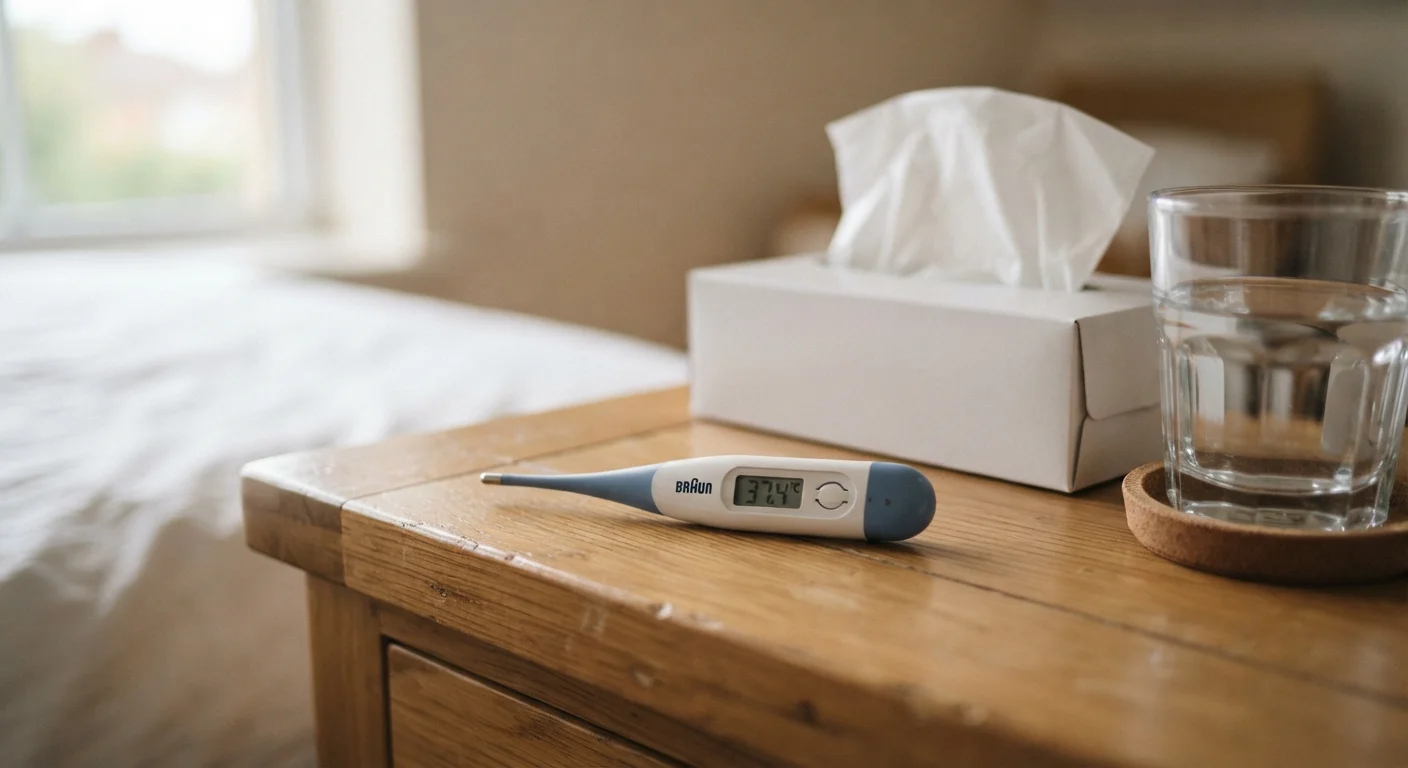
Photo: HerbHealWellness.com | Modern Guide To Wellness editorial
Key Takeaways
- Most common infections are self-limiting and resolve without medical treatment within days to two weeks.
- Severity depends on the pathogen, your immune status, age, and any underlying health conditions.
- Certain symptoms — difficulty breathing, high persistent fever, altered mental status — always warrant prompt medical evaluation.
- Being contagious does not automatically mean an illness is dangerous to the infected person.
- People in high-risk groups should consult a healthcare provider even for apparently mild infections.
Contagious Doesn't Mean Dangerous — But It Can Be
When a contagious illness spreads through a household or community, it's natural to worry about how serious it might become. The reassuring reality is that most infectious diseases people encounter — the common cold, seasonal influenza, norovirus, mild COVID-19 — are self-limiting, meaning the immune system clears them without lasting harm. Yet the same pathogens can occasionally cause life-threatening complications in certain individuals.
Understanding what separates a mild infection from a severe one isn't about predicting the future — it's about knowing which signals to watch for and when to act. To understand how these illnesses reach you in the first place, see our plain-language guide to transmission.
| Mild Infectious Illness | Severe Infectious Illness | |
|---|---|---|
| Typical symptoms | Runny nose, sore throat, mild fever, fatigue | High persistent fever, breathing difficulty, confusion |
| Body systems affected | Localized (upper respiratory, GI) | Systemic — lungs, heart, kidneys, or brain |
| Duration | Days to ~2 weeks | Prolonged; may worsen without treatment |
| Typical management | Rest, fluids, symptom relief at home | Medical evaluation; may require hospitalization |
| Risk of complications | Low in healthy adults | Elevated, especially in high-risk groups |
| When to seek care | If symptoms worsen or persist beyond expected course | Promptly — do not wait for further deterioration |
What Defines a Mild vs. Severe Infectious Illness
Clinicians generally classify illness severity by how much the infection disrupts normal body function and whether it threatens vital organ systems. A mild illness typically stays localized — a scratchy throat, a runny nose, loose stools for a day or two — and the body maintains its core functions throughout. A severe illness involves systemic effects: the infection overwhelms local defenses and begins affecting the lungs, heart, kidneys, or brain.
Several factors influence which direction an infection takes:
- Pathogen virulence: Some microorganisms are inherently more aggressive. Bacterial pneumonia, for example, carries greater complication risk than the rhinovirus that causes a common cold.
- Infectious dose: Exposure to a larger quantity of a pathogen can increase severity.
- Immune status: People who are immunocompromised — due to chemotherapy, HIV, or certain medications — face greater risk from infections that healthy adults handle easily.
- Age: Infants and older adults mount less robust immune responses, making complications more likely.
- Underlying conditions: Chronic heart, lung, kidney, or metabolic diseases can amplify the impact of an acute infection.
The body's response to infection — fever, chills, fatigue — reflects immune activation and is not inherently a sign of severity, but its intensity and duration matter.
Track Symptoms Over Time, Not Just at a Snapshot
Red-Flag Symptoms That Change the Equation
Certain symptoms indicate that an infection has moved beyond a routine course and requires prompt medical attention. Recognizing these signals is one of the most important things a non-specialist can learn. The guide to normal vs. concerning symptoms covers this in broader detail, but for infectious illness specifically, seek care if you or someone you're with experiences:
- Difficulty breathing or shortness of breath at rest
- Persistent fever above 103°F (39.4°C) that doesn't respond to fever-reducing measures, or any fever in an infant under 3 months
- Chest pain or pressure
- Confusion, disorientation, or unusual difficulty staying awake
- Signs of dehydration — no urination for many hours, sunken eyes, extreme dry mouth — especially in children or older adults
- A rash that spreads rapidly or looks like small red or purple pinpoints under the skin (which can signal certain bacterial infections)
- Symptoms that initially improve, then sharply worsen
It's also worth noting that fever height alone does not reliably predict severity. As discussed in our overview of fever myths, a moderately elevated temperature in a generally well person is far less concerning than a lower fever accompanied by altered mental status or difficulty breathing.
Don't Wait Out Red-Flag Symptoms
High-Risk Groups Require a Lower Threshold for Care
For most healthy adults, a mild-to-moderate infectious illness can be safely managed at home with rest, fluids, and appropriate over-the-counter symptom relief as directed on product labeling. But that calculus changes meaningfully for people in higher-risk categories.
Older adults (generally 65+), pregnant individuals, young children, and those with chronic conditions such as diabetes, heart disease, or lung disease should contact a healthcare provider earlier in the course of illness — even if symptoms initially appear manageable. What presents as a mild infection in a low-risk adult can escalate quickly in these groups. For a broader look at how long-term health conditions interact with acute illness, see our chronic conditions hub.
People who are immunocompromised deserve special mention. Standard severity thresholds may not apply — infections that rarely cause complications in others can be life-threatening for someone whose immune defenses are significantly impaired. These individuals should always consult their care team when an infection is suspected, rather than waiting to see if symptoms worsen.
If you are caring for a household member with a contagious illness and are unsure when to escalate care, our home care checklist provides practical guidance on warning signs and isolation steps.
This article is for general health information purposes only and is not a substitute for professional medical advice, diagnosis, or treatment. Always consult a qualified healthcare provider regarding any symptoms or health concerns.
The content on this site is for informational purposes only and is not a substitute for professional advice. Always consult a qualified professional for guidance specific to your situation.