
Fever, Chills, and Fatigue: Decoding Your Body's Response to Infection

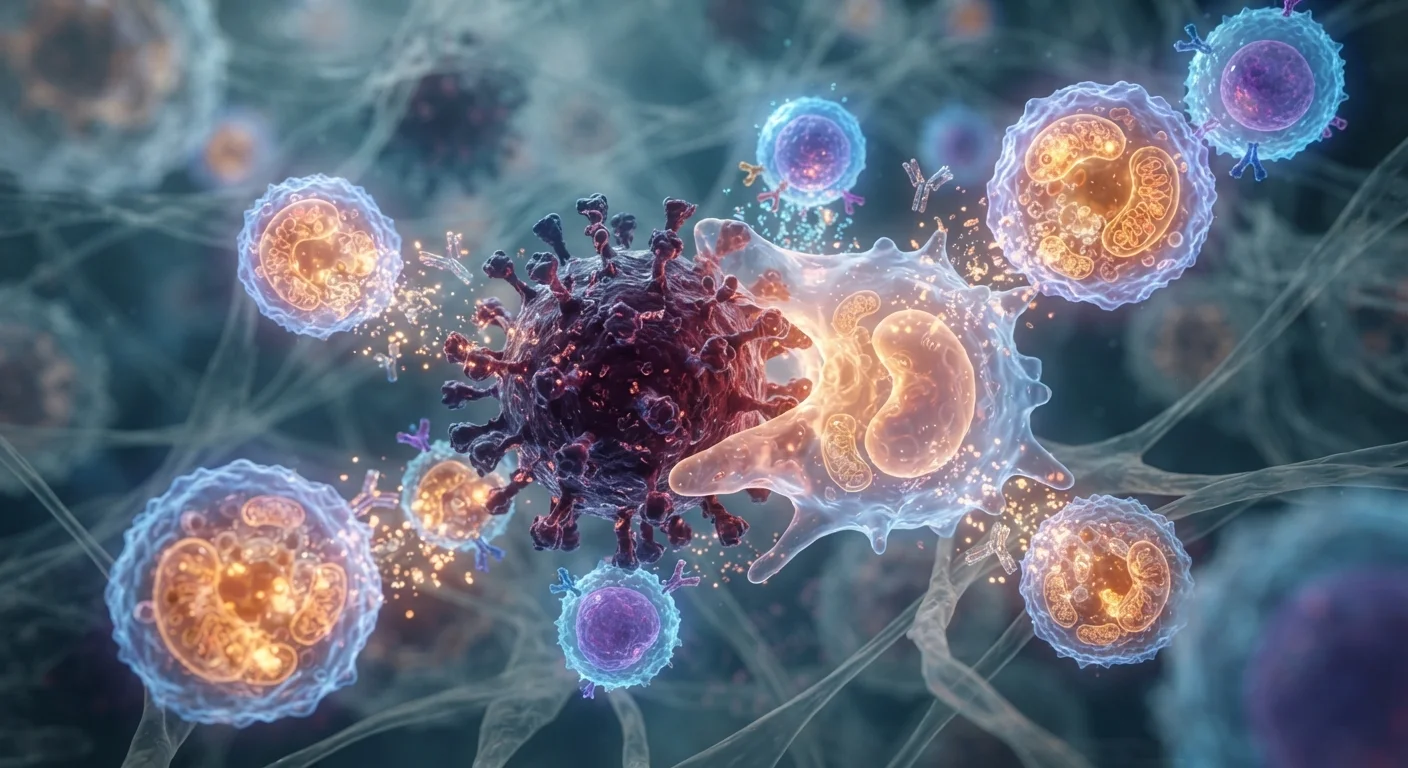
Photo: HerbHealWellness.com | Modern Guide To Wellness editorial
Key Takeaways
- Fever is an active immune tool, not a malfunction — it helps slow pathogen replication.
- Chills occur as your body works to raise its temperature by generating heat through muscle activity.
- Fatigue forces rest, conserving energy your immune system needs to mount its defense.
- Most fevers in healthy adults resolve on their own, but certain patterns warrant prompt medical attention.
- Symptom severity does not always reflect infection severity — consult a clinician when in doubt.
Your Symptoms Are a Strategy
When you come down with an infection, it can feel as though your body is falling apart. But most of the discomfort you experience — the rising temperature, the bone-deep chills, the crushing fatigue — reflects a highly organized defense campaign, not a breakdown. Understanding what's actually happening beneath the surface can reduce anxiety, help you manage symptoms more effectively, and sharpen your instinct for when to call a doctor.
For a deeper look at the types of pathogens that trigger this cascade in the first place, see our guide to bacteria, viruses, fungi, and parasites.
98.6°F
Commonly cited normal human body temperature
Normal body temperature varies between individuals and across the day; readings above approximately 100.4°F (38°C) are generally considered a fever by clinical standards.
~100.4°F
Clinical threshold for fever in adults
The Centers for Disease Control and Prevention (CDC) and most clinical guidelines define fever in adults as a temperature at or above 100.4°F (38°C).
3–5 days
Typical duration of fever in common viral illness
Most uncomplicated viral infections, including influenza, produce fever that resolves within three to five days in otherwise healthy adults, according to general clinical guidance.
Why Your Temperature Rises
Fever is one of the immune system's most ancient tools. When a pathogen enters the body, immune cells detect molecules — called PAMPs — that mark the invader as foreign. In response, they release cytokines, a class of signaling proteins that include substances like interleukin-1 and tumor necrosis factor. These travel to the hypothalamus, the brain region that regulates body temperature, and effectively raise the thermostat.
The result is a core temperature above the normal range of approximately 98.6°F (37°C). This elevated environment is genuinely hostile to many pathogens — it can disrupt their ability to replicate and enhances the activity of certain immune cells simultaneously.
Fever in Special Populations Requires Extra Caution
It's worth separating myth from evidence here: a higher fever number does not automatically mean a more dangerous infection, and many common viral illnesses produce impressive temperatures. Fever myths that many adults still believe are worth reviewing if you find yourself alarmed by the thermometer reading alone.
The Mechanics of Chills and Shivering
Chills feel paradoxical — you're already running hot, so why does the cold feel so intense? The answer lies in timing. When the hypothalamus resets to a higher temperature target, your body needs to generate heat quickly to reach that new set point. It does this by triggering rapid, involuntary muscle contractions: shivering. Skin blood vessels also constrict to minimize heat loss, which is why your skin may feel cold to the touch even as your core temperature climbs.
Once your body reaches the elevated target, the shivering typically stops — until your immune system either lowers the set point again (often producing sweating) or sends another signal to raise it further. This cycling of chills and sweats is a hallmark of many infectious illnesses.
Stay Hydrated During Fever and Chills
Fatigue: Forced Rest as Immune Strategy
Infection-related fatigue is not ordinary tiredness. Cytokines act directly on the brain, producing what researchers sometimes call "sickness behavior" — a cluster of effects including reduced activity, social withdrawal, decreased appetite, and profound exhaustion. From an evolutionary standpoint, this makes sense: rest conserves glucose and oxygen that immune cells urgently need, and withdrawal reduces the risk of spreading illness or encountering further pathogens.
Pushing through severe fatigue during active infection can prolong recovery. Recognizing fatigue as a biological directive — rather than a weakness to overcome — is an important shift in how most people approach being sick. Explore common symptoms and when to take action for broader guidance on reading your body's signals.
When These Symptoms Cross the Line
Most episodes of fever, chills, and fatigue in otherwise healthy adults resolve within a few days without specific treatment. But certain patterns signal that something more serious may be unfolding:
- Fever at or above 103°F (39.4°C) that does not come down or is accompanied by severe symptoms
- Fever lasting more than three days without an identified cause or clear improvement
- Accompanying symptoms such as chest pain, difficulty breathing, severe headache, stiff neck, rash, or confusion
- Fever in vulnerable populations, including infants under three months, older adults, and people with compromised immune systems
These situations warrant prompt contact with a healthcare provider. The article on distinguishing mild from severe infectious illness offers additional guidance on reading these patterns.
This article is for general informational purposes only and does not constitute medical advice. Always consult a qualified healthcare professional regarding any symptoms, medical conditions, or treatment decisions.
Frequently Asked Questions
The content on this site is for informational purposes only and is not a substitute for professional advice. Always consult a qualified professional for guidance specific to your situation.