
Antibiotic Resistance: How It Develops and Why It Matters to Everyone

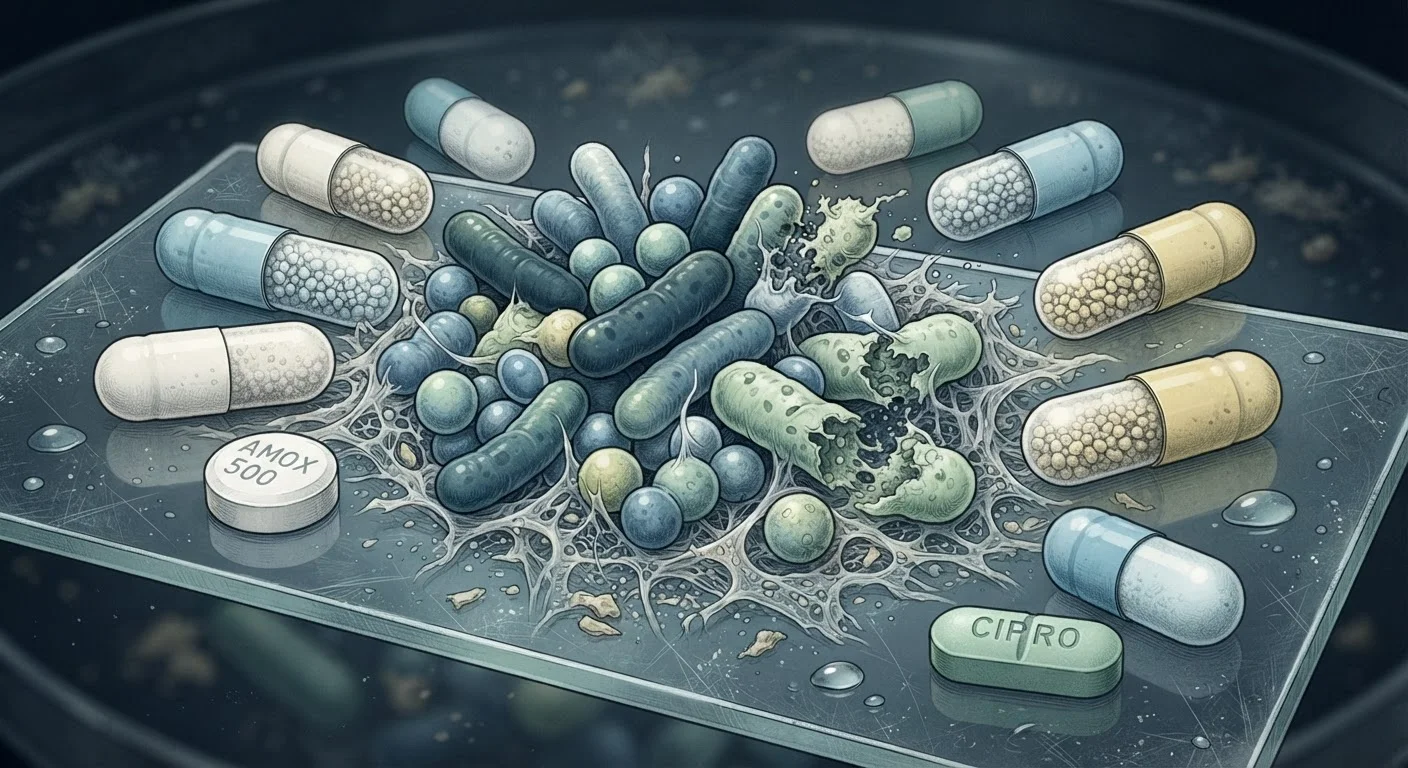
Photo: HerbHealWellness.com | Modern Guide To Wellness editorial
Key Takeaways
- Bacteria naturally evolve resistance; human misuse of antibiotics dramatically accelerates the process.
- Taking incomplete antibiotic courses or using them unnecessarily contributes to resistance.
- Resistant infections cause longer illnesses, more hospitalizations, and higher mortality rates.
- Antibiotic resistance is a global public health emergency affecting people of all ages.
- Simple actions — like finishing prescribed courses and never sharing antibiotics — help slow resistance.
How Bacteria Develop Resistance
Bacteria reproduce rapidly — a single cell can divide into millions within hours. With each replication, random genetic mutations occur. Most are harmless or even harmful to the bacterium, but occasionally a mutation confers a survival advantage: the ability to neutralize an antibiotic, pump it out of the cell, or alter the drug's target site so it no longer works.
When antibiotics are present, bacteria without protective mutations are killed. Those carrying the resistance mutation survive and reproduce, passing the advantage to offspring. This is natural selection operating in real time. Bacteria also share resistance genes directly with neighboring bacteria through a process called horizontal gene transfer — meaning resistance can spread between different species, not just within a single lineage.
This biological reality means some degree of resistance is inevitable. The critical problem is the speed at which it develops, which is directly shaped by how antibiotics are used.
Resistance vs. Side Effects: A Key Distinction
Human Behavior as a Resistance Driver
The largest human contribution to antibiotic resistance is inappropriate use. This takes several forms. Using antibiotics for viral infections — such as the common cold, influenza, or most sore throats — is ineffective because antibiotics have no action against viruses. Yet this practice remains widespread. For a deeper look at why the distinction matters, see how antibiotics differ from antivirals.
Stopping an antibiotic course early is another key driver. When a patient feels better and discontinues treatment before the prescribed end date, surviving bacteria — those that required the full course to eliminate — remain. These hardier bacteria can then rebound and multiply. Common misconceptions about antibiotic courses explain why this widely held behavior is medically problematic.
Sharing leftover antibiotics, using medications prescribed for someone else, and purchasing antibiotics without a prescription also contribute significantly. Each of these practices exposes bacteria to suboptimal drug concentrations or inappropriate drug types — ideal conditions for resistance to develop.
Simple Steps That Make a Real Difference
The Broader Picture: Agriculture and Global Spread
Antibiotic resistance is not solely a human medicine problem. A substantial proportion of global antibiotic use occurs in livestock and agriculture — both to treat sick animals and, historically, to promote growth. Resistant bacteria that develop in animals can transfer to humans through food, direct contact, or environmental contamination of water and soil.
Resistance also crosses borders effortlessly. A resistant strain that emerges in one country can travel globally via international movement within days. This means antibiotic stewardship in any one nation is linked to outcomes everywhere else.
1.27 million
Deaths directly attributed to antimicrobial resistance annually
According to a landmark 2022 study published in The Lancet analyzing data from 204 countries and territories.
~70%
Share of global antibiotic use occurring in food-producing animals
Estimates from the Food and Agriculture Organization of the United Nations highlight the scale of agricultural antibiotic use worldwide.
2.8 million
Antibiotic-resistant infections per year in the US
The US Centers for Disease Control and Prevention (CDC) reports this figure, resulting in more than 35,000 deaths annually in the United States.
Why This Matters for Routine Medical Care
The implications of antibiotic resistance extend far beyond treating individual infections. Many routine medical procedures — surgery, chemotherapy, organ transplantation, and care of premature infants — depend on effective antibiotics to prevent or treat bacterial infections. As resistance erodes this foundation, the safety of these interventions is jeopardized.
Drug-resistant infections already cause longer hospital stays, greater medical costs, and higher mortality than infections caused by susceptible bacteria. The World Health Organization has identified antimicrobial resistance as one of the top global public health threats.
New antibiotics are being developed, but the pipeline is narrow and the pace of resistance often outstrips innovation. Preserving the effectiveness of existing drugs through responsible use is therefore a public health priority with consequences for every person who may one day need treatment. Understanding the science behind common infections — including what separates bacterial from viral illness — is a first step. Widespread misconceptions about how antibiotics work explores further how common misunderstandings fuel the crisis.
This article is for informational purposes only and is not a substitute for professional medical advice, diagnosis, or treatment. Always consult a qualified healthcare provider with questions about your health or any medications you have been prescribed.
Frequently Asked Questions
The content on this site is for informational purposes only and is not a substitute for professional advice. Always consult a qualified professional for guidance specific to your situation.