
Caring for Someone at Home with a Contagious Illness

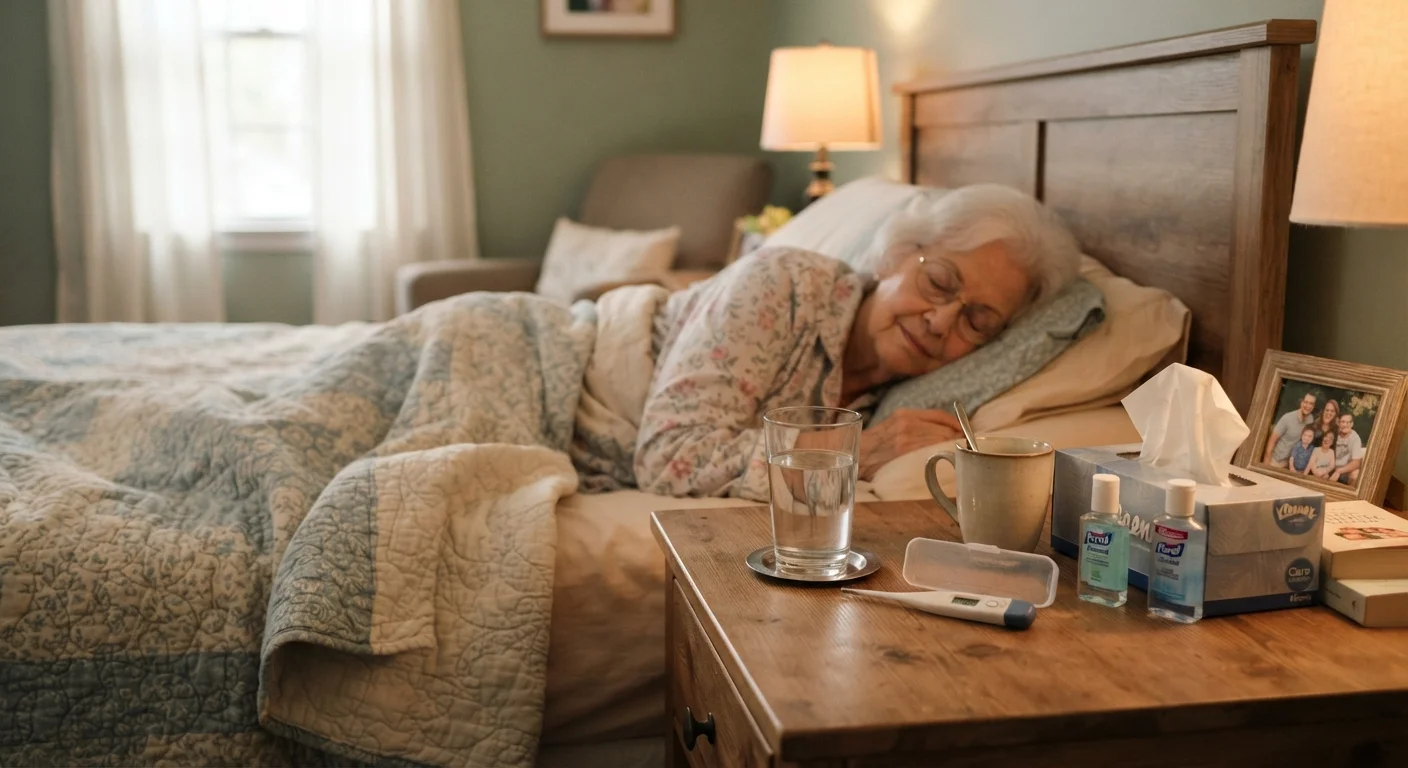
Photo: HerbHealWellness.com | Modern Guide To Wellness editorial
Key Takeaways
- Designating a separate room and bathroom for the ill person significantly reduces household transmission.
- Consistent hand hygiene is one of the most effective defenses for both caregiver and patient.
- Knowing which symptoms require emergency care can be the difference between a safe recovery and a crisis.
- High-risk household members — including elderly adults and immunocompromised individuals — need extra protective consideration.
- Most mild contagious illnesses can be managed at home with rest, fluids, and careful monitoring.
Why a Structured Approach Matters
When a household member falls ill with a contagious illness — whether influenza, a respiratory virus, or a gastrointestinal infection — the instinct to comfort them is natural. But without a clear plan, caregiving can inadvertently spread illness to others in the home. Understanding how contagious illnesses spread is the foundation for protecting yourself and others while providing effective care.
This checklist is designed to walk you through the key steps: setting up a safe environment, maintaining hygiene, monitoring symptoms, and recognizing when professional medical attention is needed. It applies to common contagious illnesses — not chronic or complex medical conditions, for which you should always defer to a qualified healthcare provider. If you're managing a long-term condition alongside an acute illness, this introduction to living with chronic illness provides useful grounding.
This article is for general health information only and is not a substitute for professional medical advice. Always consult a qualified healthcare professional for personal medical guidance.
High-Risk Household Members Need Special Planning
Do Not Delay Emergency Care
What You'll Need
Before working through the checklist, gather the supplies and designate the resources listed below. Having these in place before you need them reduces scrambling and lowers exposure risk for everyone in the household.
Digital or mercury-free thermometer
Allows accurate and frequent temperature monitoring to track fever progression.
EPA-registered disinfectant spray or wipes
Used to disinfect high-touch surfaces in and around the sick room at least daily.
Well-fitted masks (N95 or KN95 preferred)
Worn by the caregiver during close contact, especially for respiratory illnesses.
Disposable gloves
Protects hands when handling soiled linens, used tissues, or contaminated items.
Hand soap and alcohol-based hand sanitizer (60%+ alcohol)
Essential for hand hygiene before and after every patient interaction.
Lined waste bin with lid
Placed in the sick room to safely contain used tissues and other contaminated single-use items.
Electrolyte drinks or oral rehydration solution
Supports hydration when the ill person cannot tolerate large volumes of plain water.
Symptom log notebook or app
Tracks temperature readings, symptom changes, and medication timing for easy reference if medical care is needed.
The Home Care Checklist
Work through each group systematically. Items marked must are non-negotiable for safe home care. Should items are strongly recommended and meaningful in most situations. Nice-to-have items improve comfort and organization but are not critical.
For guidance on distinguishing a mild illness that can safely resolve at home from one needing urgent attention, see when a contagious illness warrants medical care.
Setting Up the Environment
Caregiver Hygiene
Supporting the Ill Person
Disinfection and Waste Management
Protecting High-Risk Household Members
Monitoring Symptoms and Knowing When to Seek Help
Call 911 for These Symptoms
After the Illness Resolves
Recovery doesn't mean the risk is immediately over. Many contagious illnesses remain transmissible for a day or two after symptoms ease. Confirm with a healthcare provider or the illness-specific guidance available from public health sources before returning the ill person to shared spaces, school, or work.
Disinfect high-touch surfaces throughout the home — doorknobs, light switches, bathroom fixtures, and shared electronics. Wash all bedding and used towels in hot water. Dispose of used tissues and any contaminated single-use supplies.
If your household experienced an unusually rapid spread or the illness seems part of a wider community pattern, it may be worth understanding how contagious illnesses become public health events. For everyday prevention going forward, evidence-backed strategies are covered in reducing your risk of catching a contagious illness.
The content on this site is for informational purposes only and is not a substitute for professional advice. Always consult a qualified professional for guidance specific to your situation.