
Wearable Diagnostic Sensors: Where Clinical Monitoring Meets Everyday Life

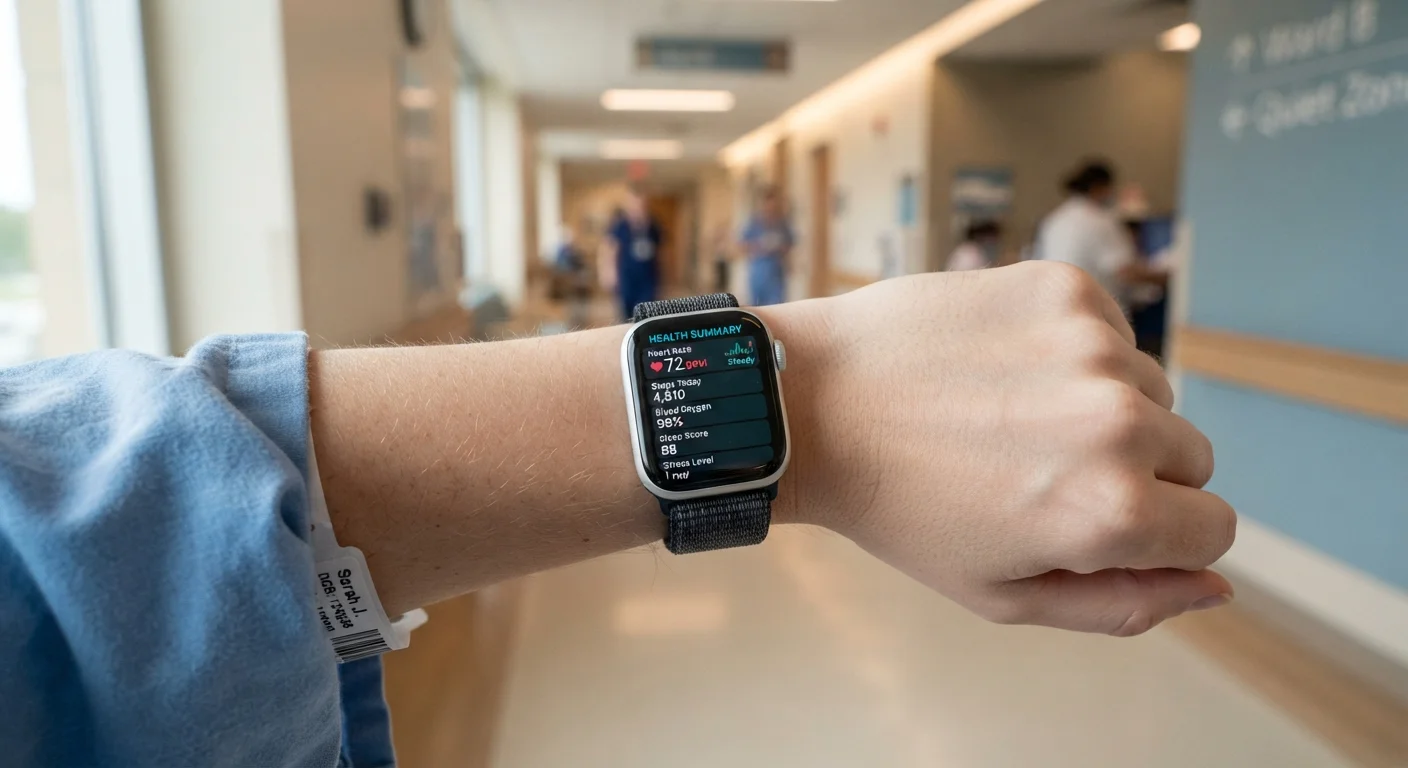
Photo: HerbHealWellness.com | Modern Guide To Wellness editorial
Key Takeaways
- Wearable diagnostic sensors measure real physiological signals, not just activity estimates.
- Clinical-grade wearables require FDA clearance or approval before making diagnostic claims.
- Continuous monitoring enables detection of intermittent conditions that clinic visits can miss.
- Data from wearables is most valuable when reviewed alongside clinical context by a healthcare provider.
- Consumer wearables and medical-grade devices serve different purposes and carry different accuracy standards.
From Hospital Bedside to Daily Life
For most of modern medicine's history, diagnostic monitoring required a patient to be physically present in a clinical setting — wired to a machine, stationary, and supervised. Wearable diagnostic sensors have fundamentally changed this model. Today, a thin adhesive patch on the chest can transmit continuous cardiac data to a cardiologist, and a watch-sized device can alert a wearer to an irregular heart rhythm during a morning run.
This shift matters because many health conditions don't behave conveniently during a scheduled appointment. Arrhythmias may last only seconds. Blood glucose can spike and recover within an hour. Sleep-disordered breathing, by definition, occurs only when the patient is asleep and away from the clinic. Continuous, ambient monitoring captures these events in context — something a periodic clinical visit simply cannot do.
Explore the broader landscape of home and clinical monitoring devices to understand where wearable sensors fit within diagnostic care overall.
What Wearable Sensors Actually Measure
The term "wearable sensor" covers a wide range of technologies, each targeting different physiological signals:
- Electrocardiography (ECG/EKG): Detects the electrical activity of the heart. FDA-cleared single-lead ECG wearables can identify atrial fibrillation, a common arrhythmia with serious stroke risk implications.
- Photoplethysmography (PPG): Uses light to measure blood volume changes in the microvascular bed of tissue, enabling heart rate and blood oxygen (SpO₂) estimates. Most consumer smartwatches use PPG sensors.
- Continuous Glucose Monitoring (CGM): A small sensor inserted just under the skin measures interstitial glucose levels in near real time — a significant advancement for people managing diabetes.
- Skin temperature: Detected by thermistor-based sensors; useful as a proxy for fever, ovulation tracking, or inflammation signals.
- Accelerometry: Measures movement and orientation, informing fall detection, gait analysis, and sleep staging estimates.
~30M
Americans using CGM or cardiac wearables
Industry and clinical estimates suggest tens of millions of U.S. adults use FDA-regulated wearable monitoring devices for ongoing health management.
1-lead vs. 12-lead
ECG depth: wearable vs. clinical standard
FDA-cleared smartwatch ECGs produce a single-lead tracing, compared to the 12-lead ECG used as the clinical diagnostic standard in cardiology.
~15%
Atrial fibrillation cases first detected by wearable
Emerging research, including findings published in cardiology journals, suggests a meaningful proportion of new AF diagnoses are now prompted by wearable device alerts.
Understanding which metric a device measures — and at what accuracy — is essential before drawing any health conclusions from the data. For a practical comparison of how these metrics differ across device types, see separating useful data from background noise in wearable health trackers.
Clinical-Grade vs. Consumer Devices: A Critical Distinction
Not all wearable sensors are created equal — or regulated equally. The FDA distinguishes between devices intended for general wellness (low regulatory oversight) and those making specific diagnostic or therapeutic claims (subject to 510(k) clearance or premarket approval).
A consumer fitness band that estimates "stress levels" from heart rate variability sits in a very different regulatory category than an FDA-cleared ambulatory cardiac monitor prescribed after a fainting episode. Clinical-grade devices must demonstrate analytical validity — meaning the sensor measures what it claims — and often clinical validity, meaning the measurement correlates meaningfully with a health outcome.
FDA Clearance vs. General Wellness Claims
This distinction matters for anyone considering whether their wearable data is actionable. Consumer devices can surface useful trends, but clinicians typically need validated, clinical-grade data before adjusting treatment decisions. See how this plays out in practice at remote patient monitoring programs.
Where Wearable Diagnostics Are Heading
Research institutions and device developers are actively expanding what wearable sensors can detect. Areas of active investigation include non-invasive blood pressure estimation through pulse wave analysis, sweat-based biomarker detection for electrolytes and cortisol, and optical sensors capable of estimating hemoglobin levels without a blood draw.
These technologies remain in varying stages of validation. Readers should be cautious about claims made by devices not yet cleared by the FDA for specific diagnostic uses. The gap between a plausible sensor concept and a clinically validated tool is significant and involves rigorous testing across diverse populations.
Bring Your Wearable Data to Appointments
For people managing ongoing health conditions, the intersection of wearable technology and clinical care represents a genuinely promising frontier. Understanding the capabilities and limitations of these devices — rather than treating them as either infallible or irrelevant — is the most productive stance. The management of chronic conditions is one area where continuous physiological data has shown particular clinical promise.
Always discuss wearable data with a qualified healthcare provider before making any decisions about your health or treatment. This article is for general informational purposes and does not constitute medical advice.
This article is for informational purposes only and is not a substitute for professional medical advice, diagnosis, or treatment. Always consult a qualified healthcare provider with questions about your health.
Frequently Asked Questions
The content on this site is for informational purposes only and is not a substitute for professional advice. Always consult a qualified professional for guidance specific to your situation.