
Setting Up a Home Health Monitoring Routine That's Actually Useful

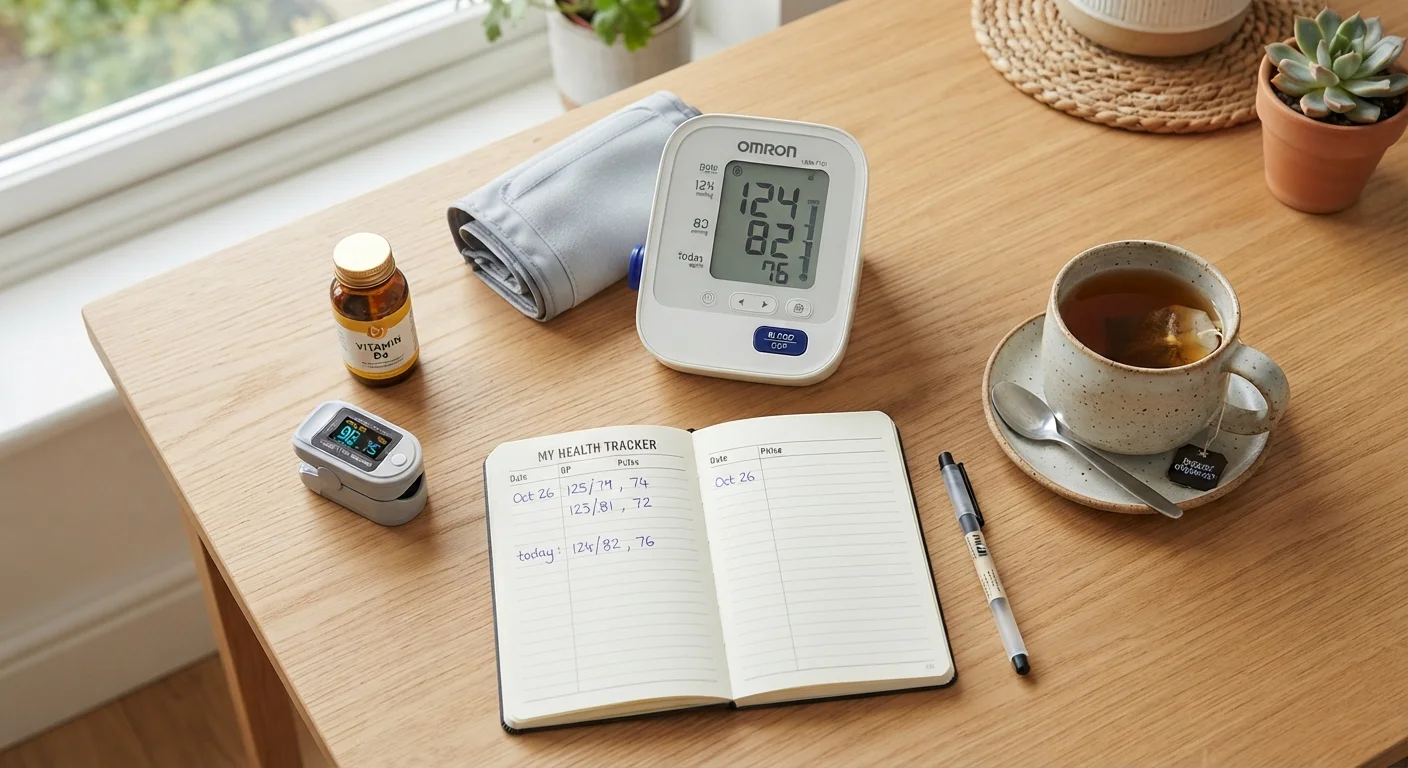
Photo: HerbHealWellness.com | Modern Guide To Wellness editorial
Key Takeaways
- Consistency in timing and conditions matters more than frequency when measuring vitals at home.
- Logging readings in a structured format makes them genuinely useful during medical appointments.
- Understanding your device's limitations helps you avoid misinterpreting data.
- Know which readings warrant a call to your provider — home monitoring doesn't replace clinical care.
Why a Routine Is the Actual Point
Home health monitoring devices — blood pressure monitors, pulse oximeters, glucose meters, and wearable heart rate trackers — only generate useful data when used consistently. A single reading tells you almost nothing. A pattern of readings, taken under similar conditions over days or weeks, tells you and your clinician something meaningful.
The goal isn't to accumulate data for its own sake. It's to notice changes, identify trends, and bring organized evidence to your healthcare appointments. For people managing chronic conditions like hypertension, diabetes, or heart arrhythmia, this distinction is especially significant.
Before building a routine, ask your provider which metrics are worth tracking for your specific health situation. Not every person benefits equally from monitoring every vital sign. Targeted tracking is more useful than broad, unfocused surveillance of your own body.
Choosing What to Monitor and When
Each type of device has optimal measurement conditions — ignoring these produces misleading readings. Blood pressure, for example, should generally be taken at the same time each day, after five minutes of seated rest, without caffeine or physical activity in the preceding 30 minutes. For detailed technique guidance, see our article on getting accurate readings from a home blood pressure monitor.
Pulse oximetry readings are affected by cold fingers, nail polish, and poor circulation. Glucose monitoring depends heavily on timing relative to meals and requires clean, dry hands. Wearable devices tracking heart rate or sleep are useful for spotting trends but are generally less accurate than clinical-grade equipment.
For people with irregular schedules, tying measurements to an existing daily anchor — such as after brushing teeth in the morning — improves adherence significantly compared to arbitrary reminders.
Logging Readings So They Actually Help
A reading you can't recall at your next appointment has limited value. A systematic log — whether a paper notebook, a spreadsheet, or a device's companion app — transforms scattered numbers into a coherent health picture.
Effective logs include the date, time, the reading itself, and any relevant conditions (such as feeling unwell, recent exercise, or high stress). This context is what separates useful data from noise. Our guide to symptom journaling covers how to apply this principle to broader health tracking.
Many clinicians now accept digital logs or app exports directly. Ask your provider what format they prefer before your next visit so the data is actually reviewed rather than skimmed.
Knowing the Limits — and When to Call Your Provider
Home monitoring devices are screening and trend tools, not diagnostic instruments. They can prompt a conversation with your provider, but they cannot replace a clinical assessment. Understanding what self-monitoring can and cannot detect is critical to using these tools responsibly.
Home Monitors Are Not Diagnostic Tools
Certain readings should prompt you to contact a healthcare professional promptly rather than waiting for a scheduled appointment. These include blood pressure consistently above 140/90 mmHg, resting oxygen saturation consistently below 95%, heart rate consistently above 100 or below 60 beats per minute, or any reading accompanied by symptoms such as chest pain, dizziness, or shortness of breath.
If you are experiencing a medical emergency, call 911 or your local emergency number immediately. Do not use a home device as the basis for deciding whether a situation is an emergency.
For people managing ongoing conditions, tracking symptoms over time alongside vitals can reveal patterns that neither data stream would show alone.
This article is for general informational purposes only and does not constitute medical advice. Always consult a qualified healthcare professional regarding your personal health monitoring needs, symptoms, or medical decisions.
The content on this site is for informational purposes only and is not a substitute for professional advice. Always consult a qualified professional for guidance specific to your situation.