
Pneumatic Compression Therapy: How Inflatable Sleeves Support Circulation

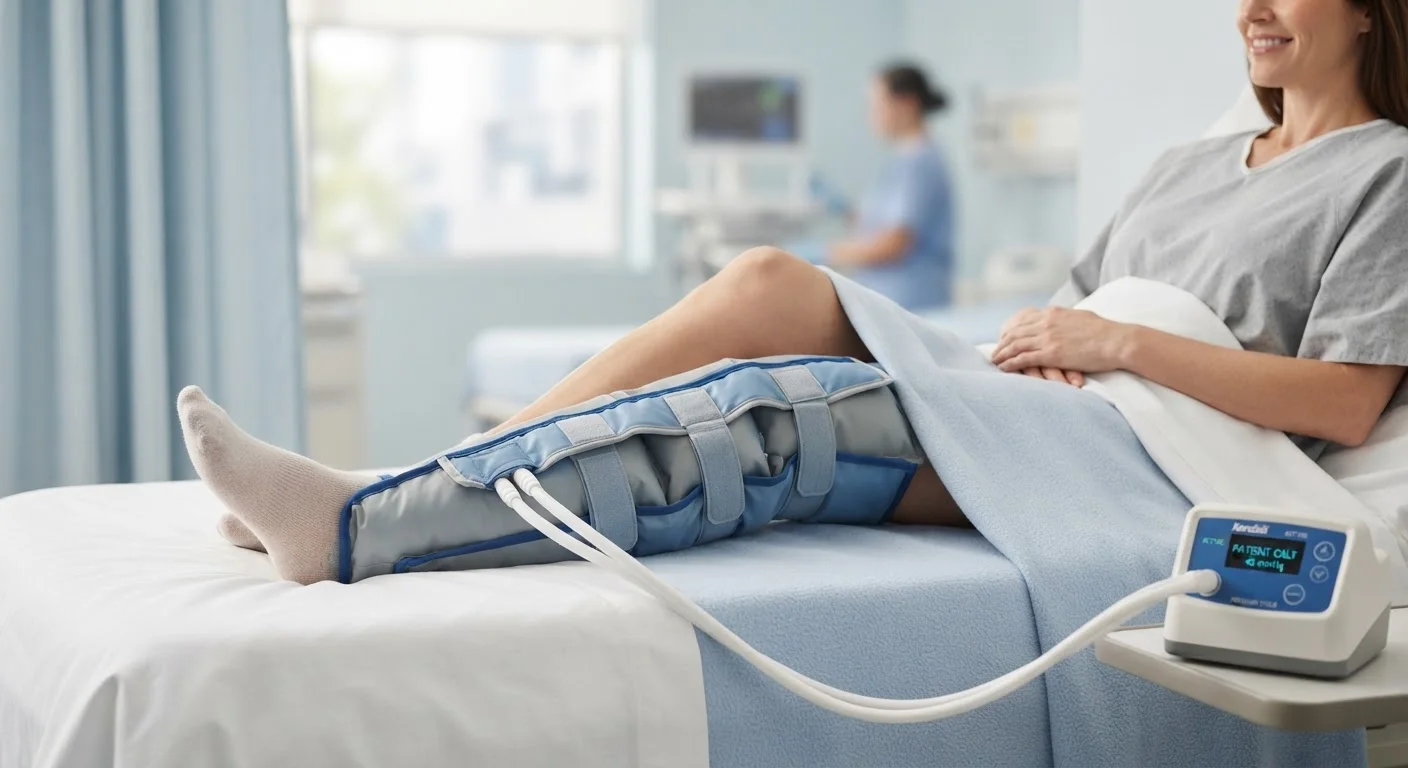
Photo: HerbHealWellness.com | Modern Guide To Wellness editorial
Key Takeaways
- Pneumatic compression devices use air-filled sleeves that inflate in sequence to move fluid up the limb.
- They are commonly used to manage lymphedema, prevent deep vein thrombosis (DVT), and support post-surgical recovery.
- Sequential inflation from the foot or hand upward mimics the muscle-pump action that occurs naturally during walking.
- Devices range from hospital-grade units to portable, prescription home systems.
- Always consult a healthcare provider before using a pneumatic compression device, especially with existing circulatory conditions.
How the Device Works
A pneumatic compression system has three main components: a motorized pump unit, connecting tubing, and an inflatable sleeve or garment. The sleeve is wrapped around the arm, leg, or foot and connected to the pump, which delivers measured pulses of air.
In sequential devices — the most clinically common type — the sleeve is divided into multiple chambers. These chambers inflate one at a time from the farthest point of the limb (the foot or hand) toward the body's core. This wave-like pressure gradient actively propels venous blood and lymphatic fluid out of the extremity, preventing the stagnation that contributes to swelling and clot formation.
Pressure is measured in millimeters of mercury (mmHg), and settings are typically calibrated by a clinician based on the patient's diagnosis and vascular status. The pump cycles continuously through inflation and deflation phases, allowing the limb to rest briefly between compressions — much like the intermittent loading and unloading that occurs with each walking step.
“Mechanical compression devices work by augmenting the normal venous return mechanism. When the calf muscle pump is inactive — as during surgery or bed rest — sequential pneumatic compression provides an external substitute that can significantly reduce thromboembolic risk.”
— American College of Chest Physicians, Clinical practice guidelines on antithrombotic therapy and venous thromboembolism prevention
Key Clinical Applications
Pneumatic compression therapy is used across a range of clinical settings and diagnoses:
- Deep vein thrombosis (DVT) prevention: Hospitalized patients — particularly those recovering from orthopedic surgery or with limited mobility — face an elevated risk of blood clots forming in the deep leg veins. Compression devices keep blood moving during periods of bed rest, reducing clot risk when the natural muscle pump is inactive.
- Lymphedema management: Lymphedema is a chronic condition in which the lymphatic system cannot adequately drain fluid, causing persistent limb swelling. Sequential compression can supplement or replace manual lymphatic drainage techniques, reducing limb volume over time as part of a comprehensive decongestive therapy program.
- Chronic venous insufficiency: When leg veins fail to return blood efficiently to the heart, fluid accumulates in the lower limbs. Compression therapy provides external support to the venous system, improving return flow and reducing edema.
For a broader overview of devices in this category, see our guide to therapeutic devices.
~900,000
Americans affected by DVT annually
The Centers for Disease Control and Prevention (CDC) estimates that deep vein thrombosis and pulmonary embolism affect up to 900,000 Americans each year.
Up to 10 million
Americans living with lymphedema
The Lymphatic Education & Research Network estimates that lymphedema affects as many as 10 million Americans, many of whom may benefit from compression-based therapies.
~50%
Reduction in DVT risk with compression in surgical patients
Clinical guidelines from organizations including the American College of Chest Physicians note that mechanical compression can meaningfully reduce DVT incidence in high-risk surgical patients when pharmacologic options are limited.
What to Expect During a Session
Before a session begins, the clinician or patient places the sleeve over the target limb, ensuring it is smooth and properly positioned with no skin creases that could concentrate pressure. Clothing may remain underneath thin sleeves; thicker garments should be removed to allow accurate pressure delivery.
Once the device is switched on, the chambers begin inflating sequentially. The sensation is firm but should not be sharp or painful. Most devices include a pressure adjustment dial or digital controls, and settings are typically locked or guided by clinical prescription for home users.
Check Skin Before and After Each Session
After the session, some patients notice immediate temporary reduction in limb girth or heaviness. Long-term benefit accumulates with regular, consistent use as directed. Clinicians often combine pneumatic compression with compression garments, skin care, and exercise — particularly in lymphedema treatment — rather than relying on the device alone.
Pneumatic compression shares rehabilitation principles with other therapeutic devices, including continuous passive motion machines used after joint surgery, both relying on passive mechanical action to support recovery when active movement is limited.
This article is for informational purposes only and does not constitute medical advice. Always consult a qualified healthcare professional before starting, stopping, or changing any therapy or medical device use.
Frequently Asked Questions
The content on this site is for informational purposes only and is not a substitute for professional advice. Always consult a qualified professional for guidance specific to your situation.