
Questions to Ask Before Starting Therapeutic Device Treatment

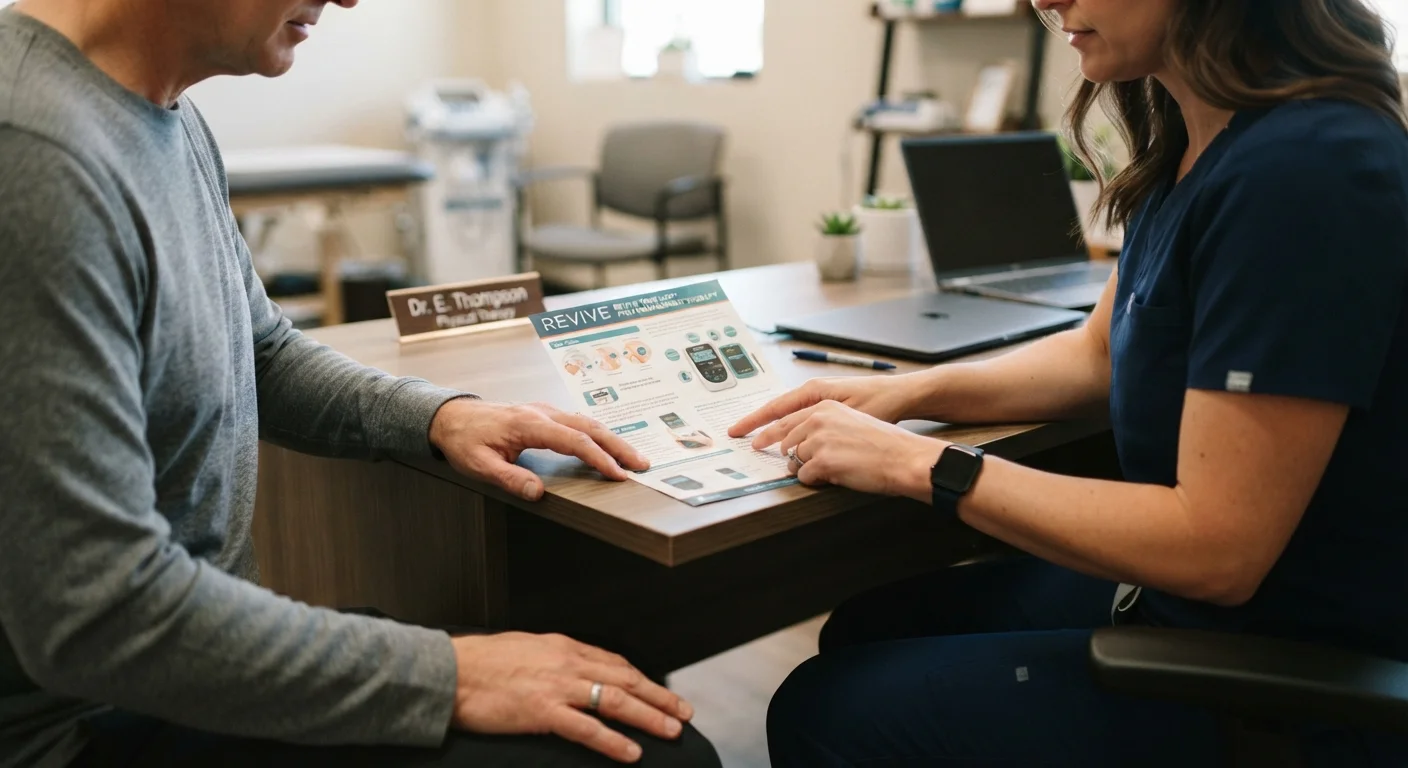
Photo: HerbHealWellness.com | Modern Guide To Wellness editorial
Key Takeaways
- Not every therapeutic device is appropriate for every patient — contraindications matter.
- Understanding how a device works helps you use it correctly and recognize when something is wrong.
- Your healthcare provider should explain expected outcomes, risks, and what to monitor.
- Confirm insurance coverage, maintenance requirements, and when to seek urgent help before starting.
- Bring this checklist to your appointment — informed patients get more from clinical conversations.
Why These Questions Matter Before You Start
Therapeutic devices — ranging from TENS (transcutaneous electrical nerve stimulation) units and continuous positive airway pressure (CPAP) machines to compression pumps and ultrasound therapy equipment — are increasingly part of both clinical and home-based care. But a device is only as safe and effective as the instructions and oversight surrounding it.
Before committing to any device-based treatment, patients often receive a prescription or referral without a full clinical briefing. That gap creates real risks: incorrect use, undetected contraindications, and unmet expectations. Understanding what therapeutic devices are and how they work is a useful foundation before walking into that conversation.
This checklist is designed to help you structure that conversation with your provider. It is general health information, not a substitute for personalized medical advice — always rely on a qualified clinician for decisions specific to your condition.
Printed or Digital Checklist Copy
Bring this checklist to your appointment so you can check off questions and record your provider's answers in real time.
Medication and Implant List
A current list of all medications, supplements, and implanted devices helps your provider assess contraindications accurately.
Device User Manual
The manufacturer's manual provides settings ranges, safety warnings, and maintenance schedules specific to your device model.
Insurance Benefits Summary
Knowing your plan's coverage for durable medical equipment helps you ask informed questions about out-of-pocket costs.
Symptom or Session Log Template
A simple paper or app-based log for recording each therapy session, settings used, and any symptoms noticed supports productive follow-up visits.
Your Pre-Treatment Question Checklist
Work through the groups below before or during your consultation. You do not need to ask every question in one appointment — prioritize based on what your provider has already covered. Bring a notebook or use a phone to record answers.
Clinical Rationale
Safety and Contraindications
Operation and Training
Monitoring and Follow-Up
Practical and Logistical Considerations
Do Not Self-Adjust Clinical Settings
Questions about medication interactions are also relevant when starting a new therapy regimen. See how a similar approach applies in questions to ask your pharmacist before starting a new medication.
Putting Your Answers to Work
Once you have answers to these questions, you are in a much stronger position to use your therapeutic device safely and get the most from treatment. Review the answers with a caregiver or family member if they will be helping with device operation. Keep a written log of sessions, settings, and any symptoms you notice — this record is invaluable at follow-up appointments.
If you are also navigating a diagnostic procedure alongside your therapy, the same proactive questioning approach applies. See preparing for a diagnostic procedure for a parallel framework.
Special Populations Require Extra Caution
For those using home devices like TENS units specifically, the details of safe application deserve extra attention. Common errors in home TENS use covers electrode placement, intensity mistakes, and contraindications that are frequently overlooked.
This article is for informational purposes only and does not constitute medical advice. Always consult a qualified healthcare professional before beginning any therapeutic device treatment.
The content on this site is for informational purposes only and is not a substitute for professional advice. Always consult a qualified professional for guidance specific to your situation.