
Using a Home TENS Machine Safely: What Patients Often Get Wrong

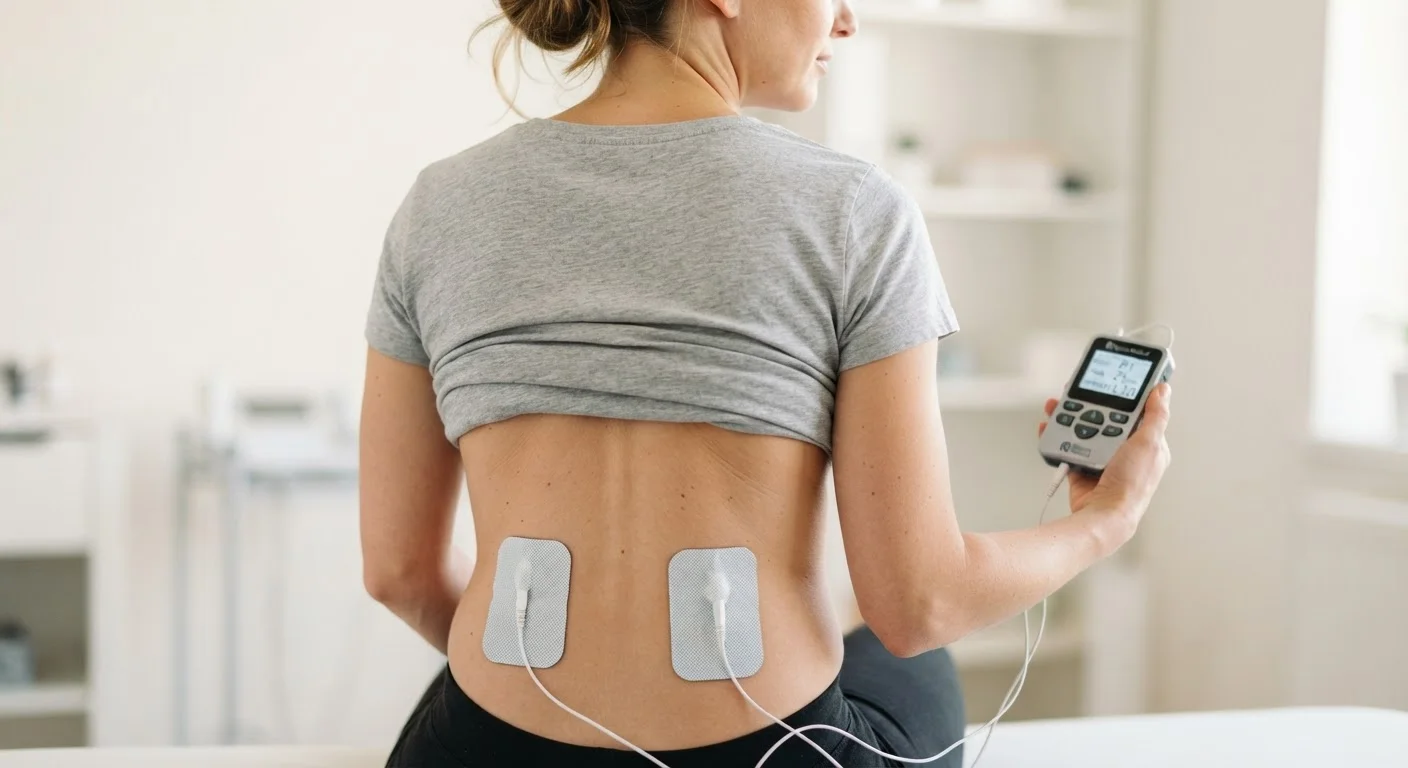
Photo: HerbHealWellness.com | Modern Guide To Wellness editorial
Key Takeaways
- Placing electrodes over the spine, heart, or head can cause serious harm and must be avoided.
- Starting at high intensity is a common error that can cause burns or muscle damage.
- TENS machines have absolute contraindications, including pacemakers and pregnancy, that users often overlook.
- Habituating to one electrode placement reduces effectiveness — repositioning periodically helps.
- TENS manages pain temporarily; it does not treat underlying causes and is not a replacement for clinical care.
What a TENS Machine Actually Does — and Doesn't Do
A transcutaneous electrical nerve stimulation (TENS) unit is a small, battery-powered device that delivers low-voltage electrical pulses through electrode pads placed on the skin. Those pulses are thought to interfere with pain signals traveling to the brain and may also stimulate the release of endorphins, the body's natural pain-dampening chemicals.
What TENS does not do is repair tissue, reduce inflammation at a cellular level, or eliminate the source of chronic pain. It is a symptomatic management tool — useful when used correctly, but frequently misapplied at home. For a broader look at how TENS fits among other electrical stimulation modalities, see TENS and EMS compared.
Understanding these boundaries matters, because many of the mistakes patients make stem from unrealistic expectations about what the device can achieve.
Placing electrodes directly over the spine or on the chest near the heart.
Starting sessions at high intensity rather than gradually increasing from a low baseline.
Ignoring contraindications because the device is available over the counter.
Using the same electrode placement for every session without variation.
Applying electrodes over damaged, irritated, or recently broken skin.
Contraindications and When to Stop Immediately
Some patients use TENS without checking whether it is appropriate for their specific situation. Certain conditions make TENS use unsafe regardless of settings or placement.
Absolute Contraindications You Must Know
Even where TENS is generally appropriate, there are body regions that must always be avoided: the front of the neck (which can affect blood pressure or trigger laryngeal spasm), directly over the eyes, on broken or irritated skin, and over active malignancy sites. If you experience unusual heart rhythms, chest tightness, skin burns, or worsening pain during a session, stop the device immediately and contact a healthcare provider.
Before starting any home therapeutic device regimen, it is worth reviewing key questions to raise with your clinician to confirm the approach is appropriate for your condition.
~30%
Adults reporting chronic pain in the US
The CDC's National Center for Health Statistics has reported that roughly 1 in 3 US adults experience some form of chronic pain, driving widespread interest in home pain management tools like TENS.
Up to 40 min
Typical recommended single TENS session length
Most clinical guidelines and device manufacturers recommend individual sessions of 20–40 minutes to avoid skin irritation and nerve accommodation associated with prolonged continuous use.
Getting More From Your TENS Sessions Safely
Once contraindications are ruled out and electrode placement is understood, small adjustments to how you run each session can meaningfully improve outcomes. Keep sessions to the duration recommended in your device's instructions or by your clinician — typically 20 to 40 minutes — and avoid continuous all-day use, which can cause skin irritation and reduce nerve response over time.
Electrode pads degrade with repeated use. Worn pads deliver uneven current, which reduces effectiveness and raises the risk of focal skin irritation. Replace pads when adhesion weakens or the gel surface becomes uneven.
Finally, track your sessions as part of a broader home health routine. Noting intensity levels, placement sites, duration, and perceived pain relief helps your clinician assess whether TENS is working and whether your underlying condition is changing. Our guide to building a home health monitoring routine offers practical advice on consistent self-tracking. TENS is one component of pain management — not a standalone solution — and works best when integrated into a care plan developed with a qualified healthcare professional.
This article is for informational purposes only and does not constitute medical advice. Always consult a qualified healthcare provider before beginning or modifying any therapeutic device regimen.
The content on this site is for informational purposes only and is not a substitute for professional advice. Always consult a qualified professional for guidance specific to your situation.