
Alcohol and Medications: Which Combinations Warrant Serious Caution

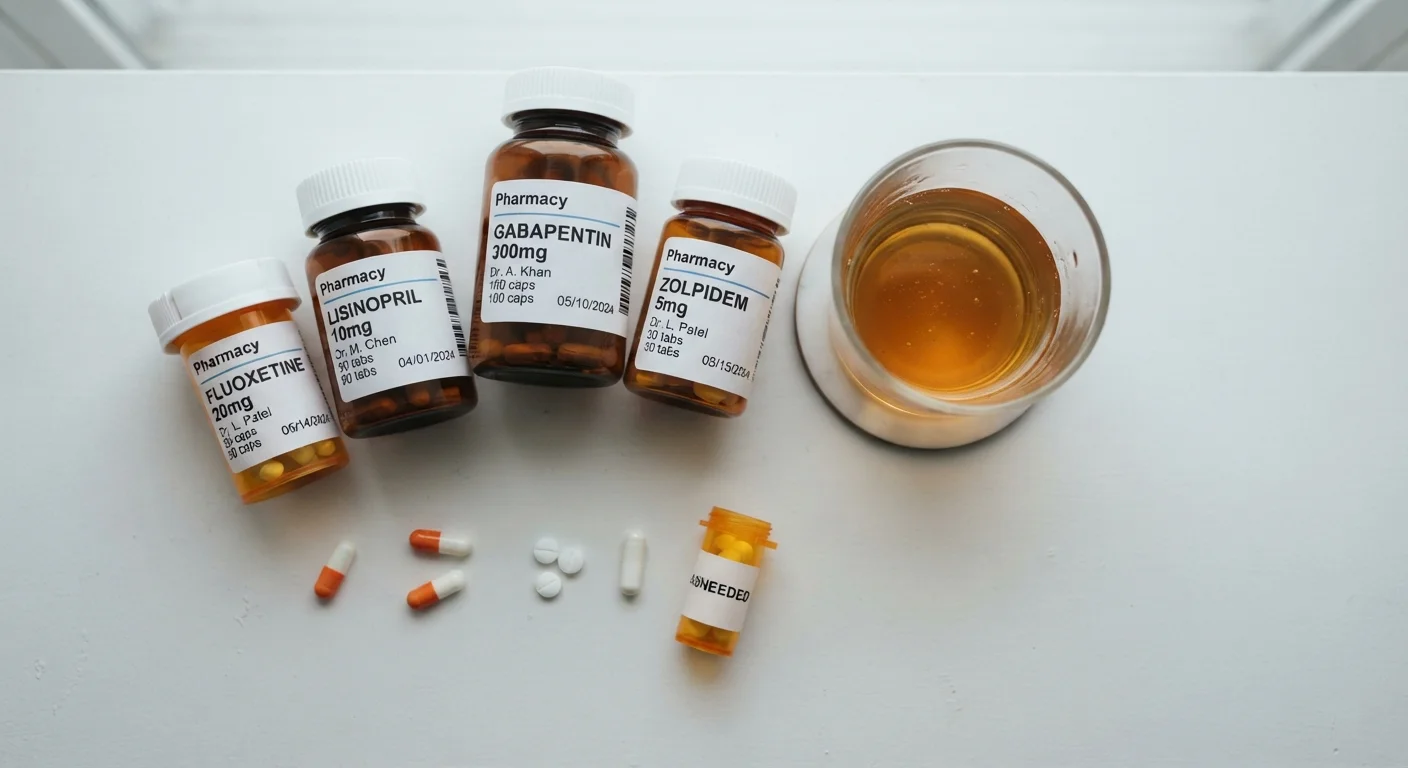
Photo: HerbHealWellness.com | Modern Guide To Wellness editorial
Why Alcohol and Medications Don't Mix Well
Alcohol is itself a pharmacologically active substance — it is processed by the liver, alters brain chemistry, and affects circulation. When alcohol is consumed alongside prescription or over-the-counter medications, those processes can collide in ways that amplify side effects, reduce a drug's effectiveness, or produce entirely new risks.
The mechanisms vary. In some cases, alcohol competes with the same liver enzyme pathways that break down medication, causing drug levels in the blood to rise higher than intended. In others, alcohol's sedative effects combine additively with those of the drug. Some combinations accelerate toxic byproduct formation. Understanding which categories of medication are involved — and why — is the first step toward safer choices.
For a broader look at how substance interactions work at the biological level, see how drug interactions occur at the molecular level.
| Drugs with alcohol interaction warnings | More than 100 commonly used medications (National Institute on Alcohol Abuse and Alcoholism (NIAAA)) |
| Drug classes most often involved | Sedatives, opioids, antidepressants, anticoagulants, antibiotics |
| Primary liver enzyme involved | Cytochrome P450 (CYP2E1 and related isoforms) |
| Special population at heightened risk | Adults over 65 and those with liver conditions |
| Common antibiotic requiring total alcohol avoidance | Metronidazole (and tinidazole) |
High-Risk Drug Categories When Combined With Alcohol
The following drug classes carry the most consistently documented risks when alcohol is involved. This is general educational information — always consult your pharmacist or prescribing clinician before drinking if you take any of these medications.
Sedatives, Sleep Aids, and Benzodiazepines
Alcohol and central nervous system (CNS) depressants — including benzodiazepines such as diazepam or lorazepam, and prescription sleep medications — both suppress brain activity. Combined, they can dangerously slow breathing, impair coordination, and cause extreme sedation. This combination is associated with a significant share of accidental overdose deaths.
Opioid Pain Medications
Like benzodiazepines, opioids are CNS depressants. Alcohol intensifies their sedative and respiratory-depressant effects. Even a modest amount of alcohol alongside an opioid prescription can raise the risk of breathing problems and loss of consciousness. Overlap risks with painkillers are often underestimated.
Acetaminophen
Acetaminophen (sold under brand names, but widely available generically) is broken down in the liver. Heavy or chronic alcohol use depletes the glutathione that neutralizes a toxic acetaminophen byproduct, substantially raising the risk of liver damage — even at doses considered standard for non-drinkers.
Certain Antibiotics
Metronidazole and tinidazole carry specific warnings against any alcohol consumption during and for several days after the course. The combination can cause a severe reaction involving flushing, rapid heartbeat, nausea, and vomiting. Most other antibiotics do not share this particular reaction, though alcohol can still impair recovery and reduce sleep quality.
Blood Thinners
Alcohol affects how the liver metabolizes anticoagulants such as warfarin. Occasional drinking may raise bleeding risk; chronic heavy drinking can have the opposite short-term effect, followed by unpredictable fluctuations. Either way, the interaction complicates dose management significantly.
Antidepressants and Antianxiety Medications
Alcohol is itself a depressant, and it can counteract or destabilize the effects of antidepressants. Monoamine oxidase inhibitors (MAOIs) carry additional risk: some fermented beverages contain tyramine, which MAOIs prevent from being broken down, potentially causing a dangerous spike in blood pressure.
CNS Depressant
A substance that slows activity in the central nervous system, reducing alertness, breathing rate, and coordination. Examples include alcohol, opioids, benzodiazepines, and certain sleep medications.
Drug Interaction
A change in the way a drug behaves in the body due to the presence of another substance — whether a second drug, food, or alcohol. Interactions can increase or decrease a drug's effect, or produce entirely new effects.
Hepatotoxicity
Liver damage caused by a chemical substance. Alcohol combined with certain drugs — particularly acetaminophen — can dramatically raise the risk of hepatotoxicity by overwhelming the liver's detoxification capacity.
Hypoglycemia
A condition in which blood sugar drops below a safe level. Alcohol can both trigger and mask the symptoms of hypoglycemia, making it especially dangerous for people taking diabetes medications.
MAOI
Monoamine oxidase inhibitor — a class of antidepressants that block the enzyme responsible for breaking down certain neurotransmitters and dietary compounds like tyramine. Combining MAOIs with alcohol or tyramine-rich foods can cause dangerous blood pressure spikes.
Anticoagulant
A medication that reduces the blood's ability to clot, used to prevent strokes and blood clots. Alcohol can interfere with anticoagulant metabolism, making drug levels unpredictable and raising bleeding risk.
Antihistamines, Diabetes Medications, and Other Common Drugs
Alcohol-drug interactions are not limited to prescriptions. Several widely used over-the-counter medications carry meaningful risks:
- First-generation antihistamines (such as diphenhydramine, found in many allergy and sleep products) are sedating on their own. Alcohol compounds drowsiness and can impair driving even hours after drinking.
- Diabetes medications — especially sulfonylureas and insulin — can interact with alcohol to cause hypoglycemia (dangerously low blood sugar). Alcohol also masks some early warning signs of low blood sugar.
- NSAIDs (non-steroidal anti-inflammatory drugs like ibuprofen and naproxen): regular alcohol use alongside NSAIDs raises the risk of stomach bleeding and ulcers.
- Muscle relaxants: increased sedation and impaired coordination are the primary concerns.
It is also worth noting that individual factors — age, body weight, liver health, and how much and how quickly alcohol is consumed — all influence how severe an interaction may be. Older adults and people with liver conditions are generally at greater risk. If you take multiple medications, see our overview of polypharmacy and multi-drug risks for additional context.
Check the Label — and Ask Your Pharmacist
This article is for informational purposes only and does not constitute medical advice. Always consult a licensed pharmacist, physician, or other qualified healthcare professional before making decisions about your medications or alcohol use.
The content on this site is for informational purposes only and is not a substitute for professional advice. Always consult a qualified professional for guidance specific to your situation.