
Reading a Medication Label: What Every Section Actually Means

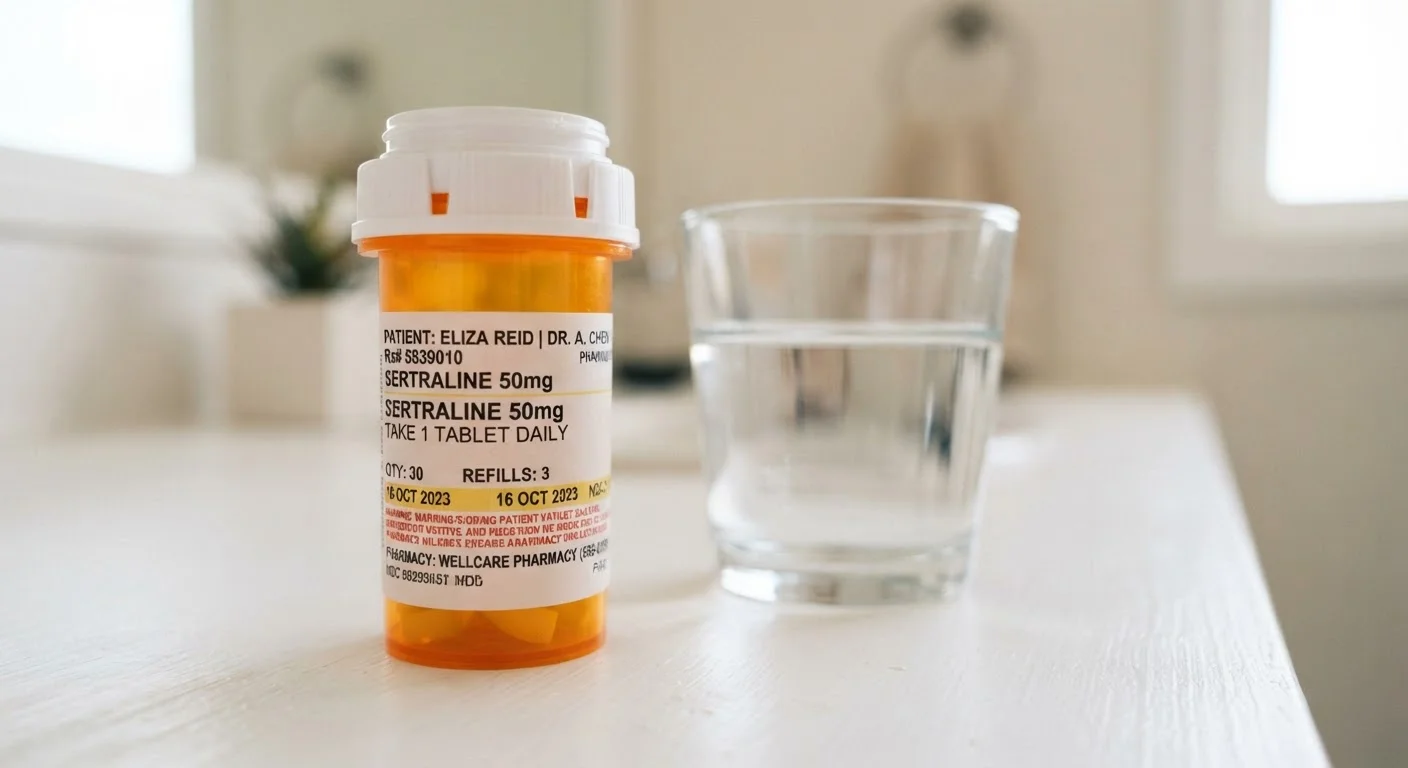
Photo: HerbHealWellness.com | Modern Guide To Wellness editorial
Key Takeaways
- Medication labels contain legally required sections that each serve a distinct safety purpose.
- Dosage directions and frequency instructions must be followed exactly as written unless a provider advises otherwise.
- Warnings and contraindications signal when a drug may be unsafe for specific populations or conditions.
- Drug interaction warnings on labels are starting points — always verify with your pharmacist.
- Expiration dates indicate when a drug's potency can no longer be guaranteed by the manufacturer.
Why Label Literacy Matters Before You Open the Bottle
A medication label is a condensed safety document. For prescription drugs, it reflects decisions made by your prescriber and verified by a pharmacist. For over-the-counter (OTC) products, it is the primary — and often only — guidance you receive. Either way, understanding what each section communicates puts you in a far better position to catch errors, recognize risks, and use the medication correctly.
Misreading a label is one of the most common sources of medication errors at home. Confusing "twice daily" with "every 12 hours," missing a food interaction warning, or overlooking an age restriction can all have real consequences. The good news: label sections follow a predictable structure, and once you know what each one is for, reading them becomes straightforward.
What you will need
For context on how label terminology is standardized, Reading a Medicine Label Without the Guesswork offers a complementary overview.
How to Work Through Each Label Section
The steps below walk you through a medication label in a logical sequence — from confirming you have the right drug to verifying how it should be stored. Follow this process each time you receive a new prescription or purchase an OTC medication for the first time.
The medication bottle or package insert
The primary source containing all required label sections you will be reviewing.
Pharmacist or prescriber contact
For clarifying any section you cannot interpret or that conflicts with another medication.
Personal medication list
A written record of all current medications to check for potential interactions or duplications.
Magnifying glass or phone camera zoom
Useful for reading small-print labels, especially on OTC packaging.
Identify the drug name and strength
Every label lists both the brand name (if applicable) and the generic name — the standardized chemical name used across all manufacturers. The strength appears immediately after, expressed in milligrams (mg), micrograms (mcg), or another unit. Confirming these two details first ensures you have the right medication at the right concentration before anything else.
If you were prescribed a brand-name drug but received a generic, the active ingredient will be identical — only inactive ingredients (such as fillers or dyes) may differ. For more on how a drug moves through your body after you take it, see Inside the Pill.
Read the dosage and frequency directions carefully
This section tells you how much to take and how often. Pay close attention to qualifiers like "with food," "on an empty stomach," "every 8 hours," or "at bedtime" — these are not optional suggestions. They affect how well the drug is absorbed and how consistently it maintains effective levels in your body.
Phrases like "as needed" (PRN) mean you take the dose only when a specific symptom arises, not on a fixed schedule. "Do not exceed" warnings specify a maximum daily amount; going above this threshold does not improve effectiveness and may cause harm.
Review the warnings and contraindications section
Warnings flag conditions, activities, or substances that could make the medication dangerous for certain people. Common examples include warnings against operating heavy machinery (sedating medications), avoiding alcohol, or specific risks for people with liver or kidney conditions.
Contraindications — a term meaning "circumstances in which this drug should not be used" — identify situations where the risk clearly outweighs any benefit. If a contraindication applies to you, do not take the medication without first speaking with your prescriber or pharmacist. For a plain-English breakdown of terms like this, see The Language of Drug Labels.
Check for drug interaction warnings
Labels list known interactions with other medications, foods, or supplements. A drug interaction occurs when one substance alters how another is absorbed, processed, or eliminated by the body — sometimes increasing side effects, sometimes reducing effectiveness.
Common examples include grapefruit juice interacting with certain cholesterol and blood pressure medications, or anticoagulants (blood thinners) interacting with aspirin. Labels cannot list every possible interaction, so cross-check your full medication list with a pharmacist, particularly if you take multiple prescriptions. See also Reading a Medication's Side Effect Profile for context on interpreting risk language.
Note the expiration date and storage instructions
The expiration date is the manufacturer's guarantee that the drug remains at its labeled potency until that point — not necessarily that it becomes harmful the day after. However, degraded potency can mean under-treatment of a condition, which carries its own risks. Do not use expired medications without consulting a pharmacist.
Storage instructions ("store below 77°F," "keep refrigerated," "protect from light") directly affect stability. A medication stored improperly may degrade before its expiration date. Bathroom medicine cabinets — despite the name — are often poor storage locations due to heat and humidity from showers.
Labels Are Not a Substitute for Professional Guidance
Never Assume Dosing From a Prior Label
Keep a Medication List for Quick Reference
Label reading is one part of a broader understanding of how medications work. For a deeper look at what happens once you swallow a dose, see What 'Half-Life' Actually Means for Your Medication.
This article is for informational purposes only and does not constitute medical advice. Always consult a licensed pharmacist or healthcare provider with specific questions about your medications.
The content on this site is for informational purposes only and is not a substitute for professional advice. Always consult a qualified professional for guidance specific to your situation.