
Reading a Medicine Label Without the Guesswork

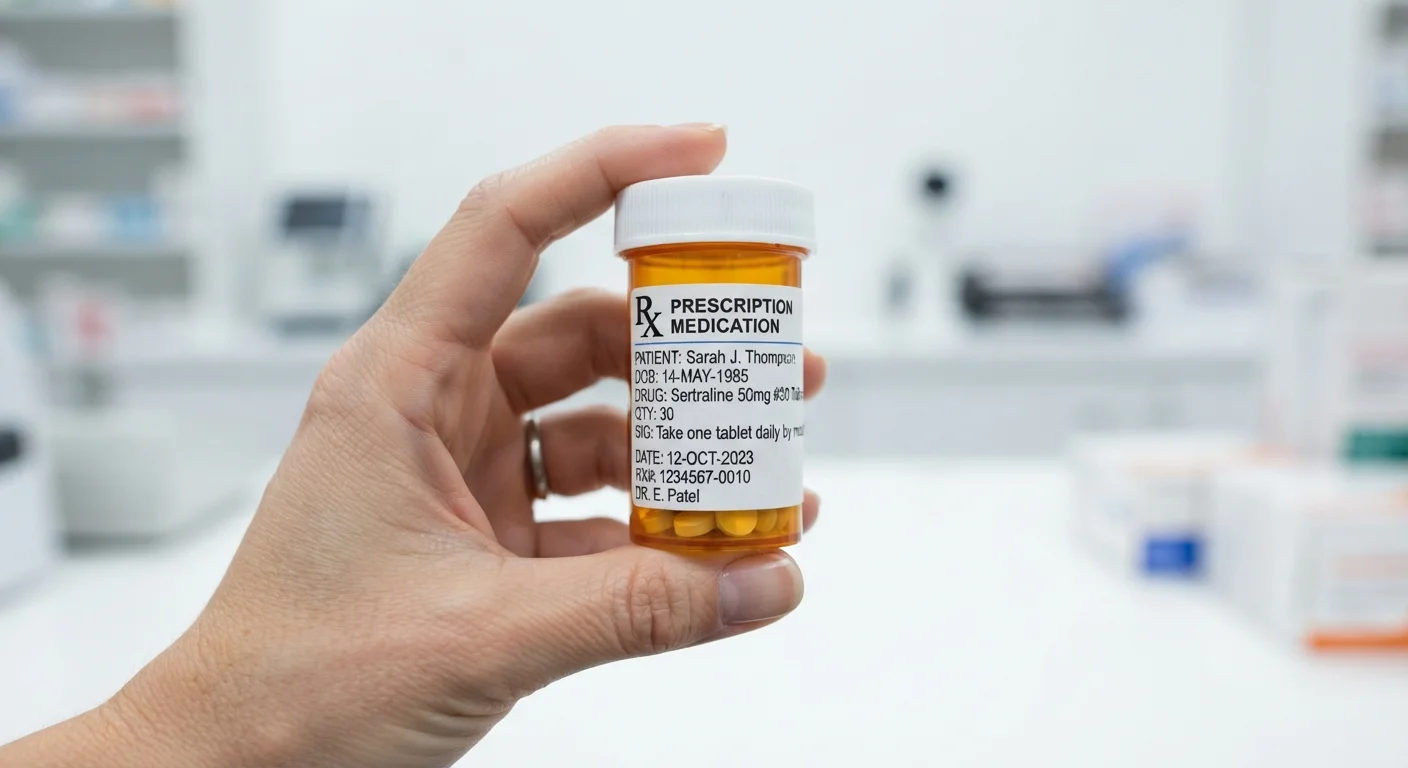
Photo: HerbHealWellness.com | Modern Guide To Wellness editorial
Key Takeaways
- Every section of a medication label serves a distinct safety or dosing purpose.
- Active and inactive ingredients are listed separately and each matters for allergy awareness.
- Expiration dates signal when a drug's potency can no longer be guaranteed.
- Warnings and drug interaction notices must be read before the first dose.
- When in doubt, your pharmacist is the best person to clarify any label language.
Why Label Literacy Is a Safety Skill
Every medication sold in the United States — whether dispensed by a pharmacist or pulled from a drugstore shelf — carries a federally regulated label. Those labels exist because the information on them directly affects whether a drug works as intended and whether it is taken safely. Yet research consistently shows that many people do not read labels fully before their first dose, or misinterpret key sections when they do.
Reading a label correctly is not about memorizing medical terminology. It is about knowing where to look and what each section is actually telling you. This guide walks through that process one section at a time. For a fuller glossary of technical terms you may encounter, see our plain-English drug label glossary.
What you will need
What You Will Need
Reading a label requires very little preparation, but having the right conditions makes a difference — especially for elderly readers or anyone dealing with the dense small print common on combination OTC products.
The medication itself
The physical bottle, box, or blister pack carries the label you will be reading.
Magnifying glass or phone camera zoom
Helps read fine-print sections like inactive ingredients or lot numbers.
Pharmacist or package insert
Provides expanded detail on any label term or instruction you find unclear.
Note that prescription bottle labels and OTC package labels are formatted differently. Prescription labels focus on your individualized dispensing instructions, while OTC labels follow a standardized Drug Facts format set by the FDA. Both are covered in the steps below. For a broader comparison of how these two categories of medicine are regulated, see our article on over-the-counter vs. prescription medicines.
Step-by-Step: Reading Every Section
Work through each section of your label in the order below. Skipping around increases the chance of missing a warning or misreading a dosing interval. Take your time — a thorough first read takes only a few minutes and sets the foundation for safe ongoing use.
Identify the drug name and strength
The largest text on any label is usually the drug name. For over-the-counter (OTC) medicines, both the brand name and the active ingredient's generic name are typically shown together — for example, "Ibuprofen 200 mg" beneath a brand name. For prescription bottles, the generic or brand name appears with the prescribed strength (e.g., 10 mg, 500 mg). Confirming the name and strength before every refill guards against dispensing mix-ups.
Read the dosage directions carefully
Dosage directions specify how much to take, how often, and under what conditions (e.g., with food, at bedtime). Pay attention to units — milligrams (mg), milliliters (mL), and tablets are not interchangeable. Note any age-specific instructions, because adult and pediatric doses are usually different and will be listed separately on OTC labels.
Locate the active and inactive ingredients
The active ingredient is the chemical responsible for the drug's therapeutic effect. The inactive ingredients (excipients) include binders, fillers, dyes, and preservatives — substances that affect the pill's form but not its pharmacological action. Inactive ingredients matter if you have known allergies or sensitivities: certain dyes, lactose, or gluten-containing starches can appear here. See our guide to generic vs. brand-name drugs for more on how inactive ingredients sometimes differ between formulations.
Check the warnings and drug interaction section
OTC labels include a standardized Warnings section that lists conditions under which you should not use the product (contraindications), symptoms that require stopping the medication, and known interactions with other drugs or substances. Common warnings flag combinations with blood thinners, alcohol, or other medications containing the same active ingredient — a duplication risk that can lead to unintentional overdose. For a deeper look at interaction risks, visit the Drug Safety & Interactions hub.
Find and interpret the expiration date
The expiration date (marked EXP or Use by) is the manufacturer's guarantee that the drug retains its stated potency up to that date under recommended storage conditions. After expiration, potency may decline — meaning the medication could be less effective. Discard expired medicines through an approved medication take-back program rather than flushing them or throwing them in household trash when possible.
Note the lot number and manufacturer contact
The lot number (or batch number) links the product to manufacturing records. It is the key piece of information needed if a drug recall is issued. The manufacturer's name and a contact number or website are also required on US labels — use these if you experience an unexpected reaction and need to report it or request more information.
When the Label Raises More Questions
Common Misreading Mistakes and How to Avoid Them
Even attentive readers make predictable errors. Here are the most common:
- Confusing "maximum single dose" with "maximum daily dose." These are different numbers — both matter.
- Overlooking duplicate active ingredients. Many cold-and-flu combination products contain acetaminophen. Taking a second product with the same ingredient can push your total intake above safe limits.
- Assuming "natural" or "herbal" means interaction-free. Supplement labels carry warnings too, and some herbal ingredients interact with common medications.
- Ignoring storage instructions. A drug stored incorrectly may degrade before its printed expiration date.
If you want to understand how to interpret the side effect information that sometimes accompanies a medication, our article on reading a medication's side effect profile without panicking provides a calm, structured approach.
Don't Skip the Warnings Section
Labels Are Not a Substitute for Professional Advice
This article is for general informational purposes only and does not constitute medical advice. Always consult a qualified healthcare professional before starting, stopping, or changing any medication.
The content on this site is for informational purposes only and is not a substitute for professional advice. Always consult a qualified professional for guidance specific to your situation.